
Boston rewards the walker in a way few American cities do — its distances are honest, its neighbourhoods keep their edges, and a morning's walk can take you from cobblestones laid before the Revolution to a working brewery still shipping beer today. This is a guide organised by legs, not by hours, because the aim isn't to see everything in a day but to let each neighbourhood's accent, architecture, and food tell you plainly where you are. Treat it as six or seven separate outings rather than one exhausting march, and Boston in 2026 — a year with its own real anniversary weight — will give you back more than a checklist ever could.
The North End: Narrow Streets and a 250-Year Signal
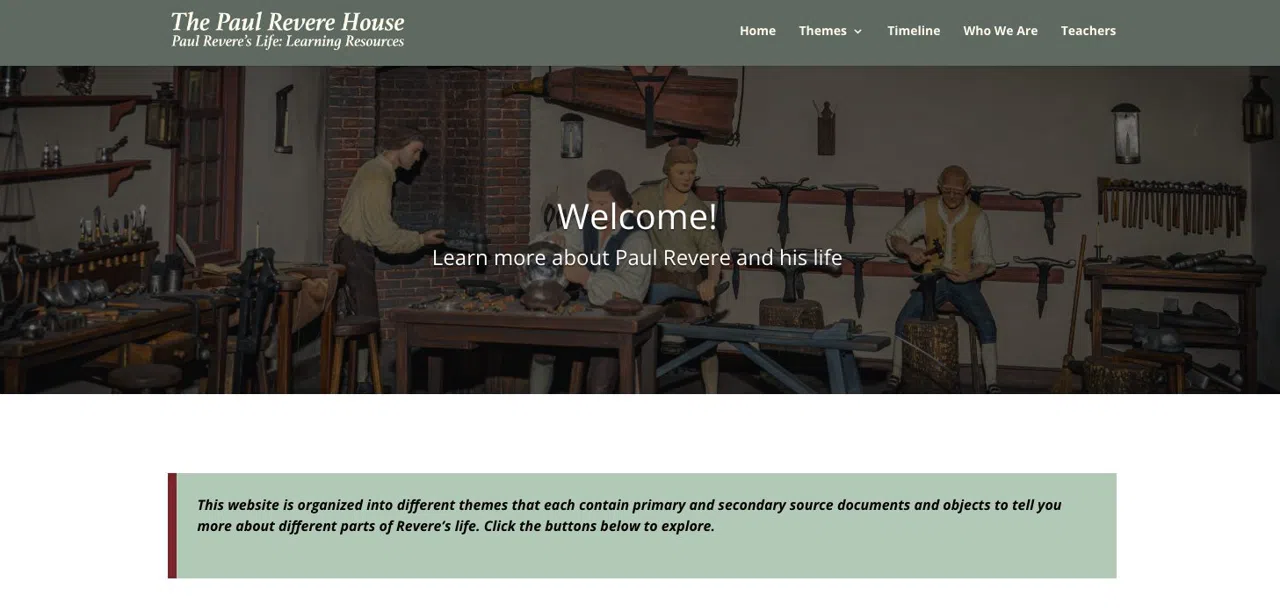
Boston's North End is the oldest residential neighbourhood in the city, and its street plan still resists the grid — alleys narrow to a single file, three-storey brick tenements lean toward each other, and the whole quarter smells faintly of espresso and garlic by mid-morning. Start at the Paul Revere House (North End), the oldest standing house in downtown Boston and, unlike much of what gets called historic in this country, genuinely built in 1680 — Revere owned it from 1770. The rooms inside are low-ceilinged and tight, which is the point: this is what a working Boston home actually looked like, not a reconstruction dressed up for effect. Admission runs $6-8 per adult, and while small groups can simply walk in, anyone bringing a larger party should book a timed entry in advance rather than crowd the front room.
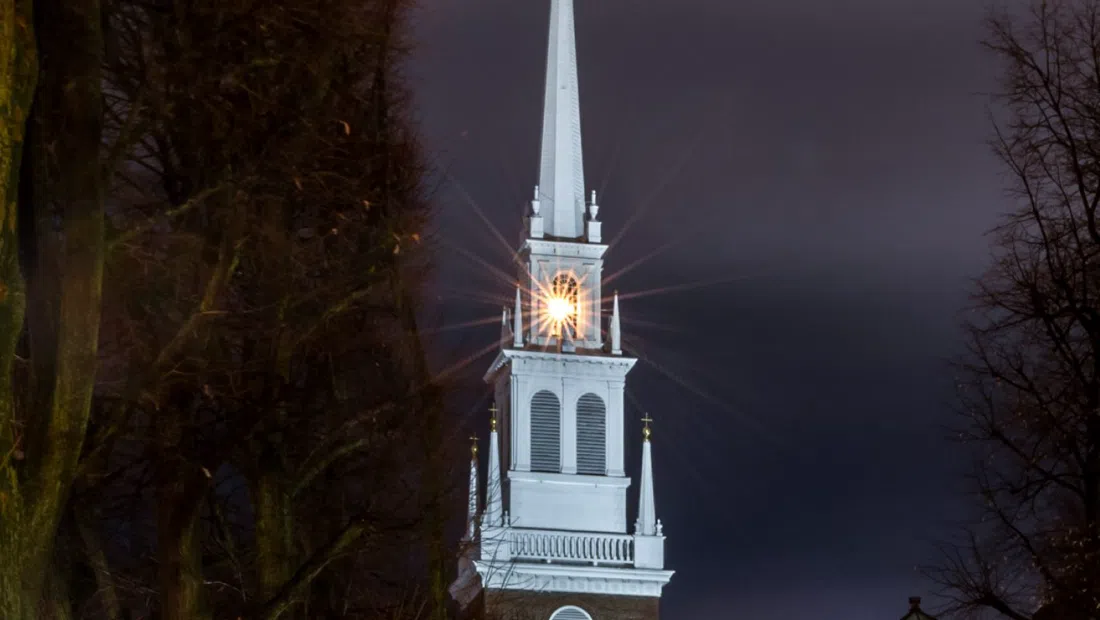
From there it's a short walk to the Old North Church & Historic Site (North End), where sextons hung two lanterns in April 1775 to signal the British approach by sea. 2026 marks 250 years since that signal, a genuine anniversary rather than a marketing one, and the church has confirmed programming through the semiquincentennial. Self-guided entry is $5; the bell-tower and crypt add-ons run another $5 each and are worth booking ahead if you want the climb, since space is limited and groups do get turned away at capacity.
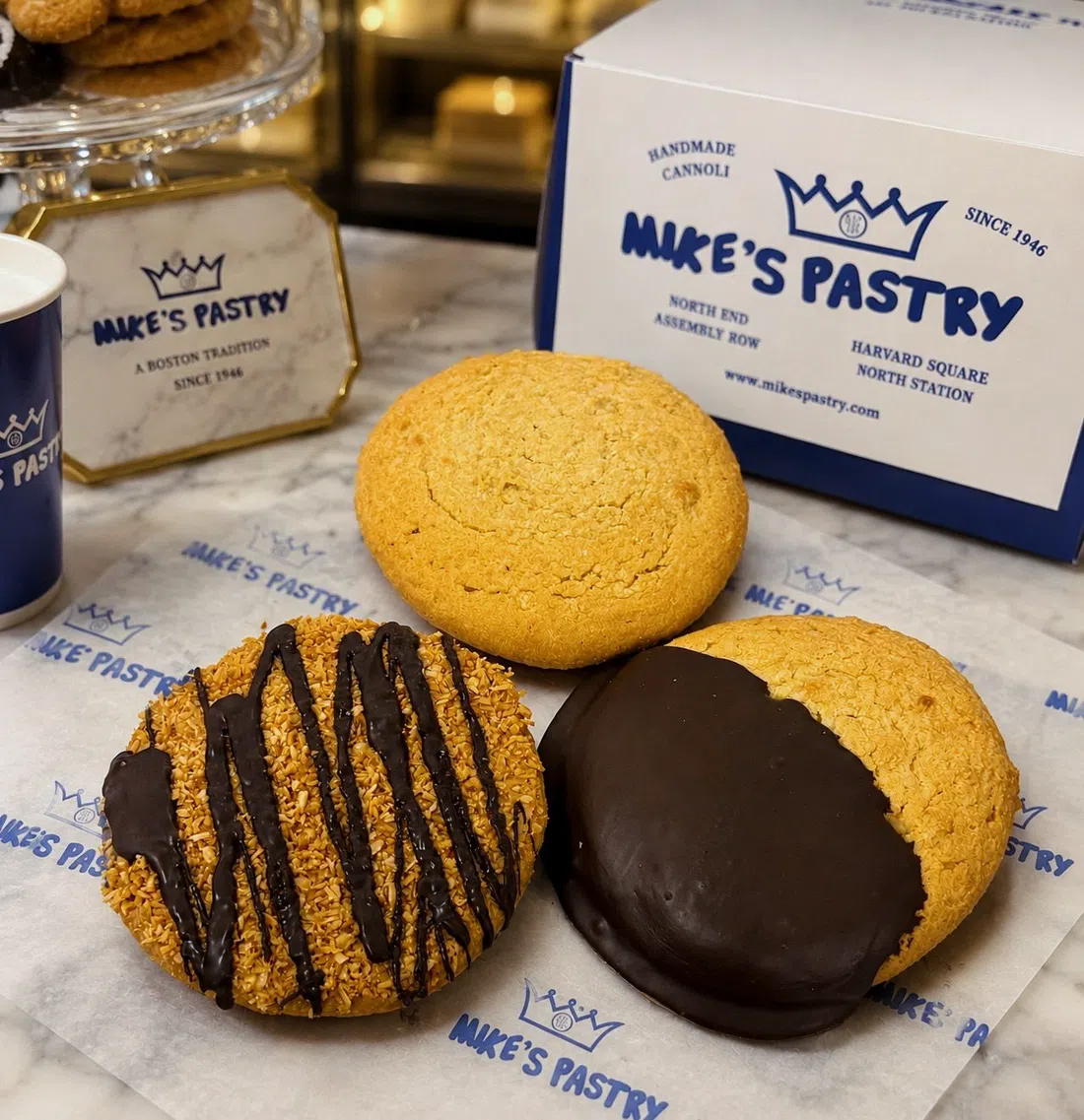
No North End walk ends without Mike's Pastry (North End), the neighbourhood's most photographed food stop and, refreshingly, still the real thing rather than a name sold off to a chain. There's no reservation system and the line moves but doesn't shrink, particularly on weekend afternoons when tour groups arrive in blocks — budget $3-6 per pastry and go either before 10am or after 4pm if you want to avoid the worst of it. Cannoli are the obvious order, but the lobster tail pastry is the one locals actually queue for.
Beacon Hill and Back Bay: Gas Lamps, Brick, and One Glass Skyscraper
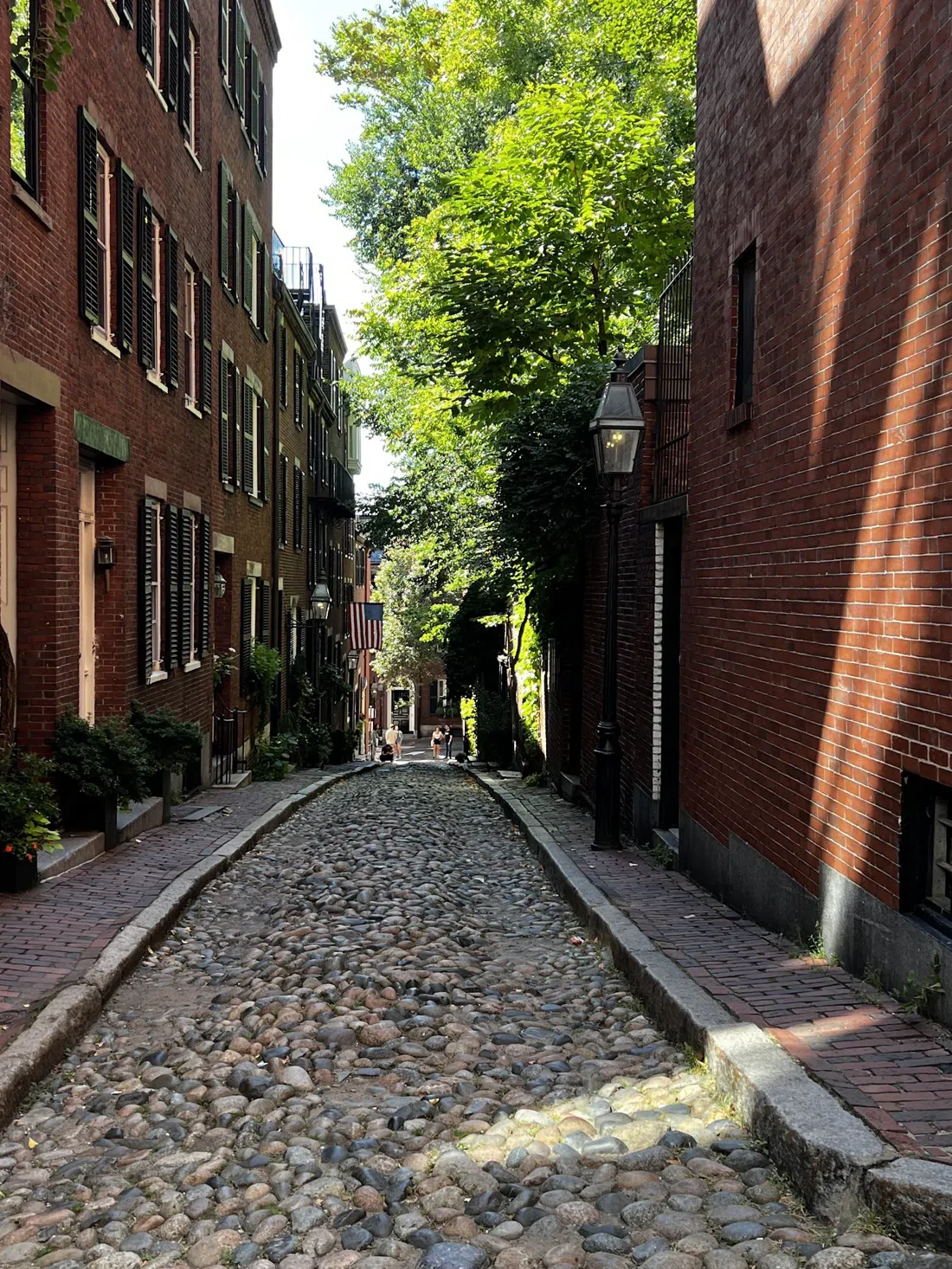
Cross into Beacon Hill and the North End's density gives way to something quieter and more residential. Acorn Street (Beacon Hill) is a single block of cobblestone off Mount Vernon Street, often described as the most photographed street in the United States, and it earns that reputation honestly — this is a surviving Federal-era mews, not a set dressed for tourists. It's free and public, but people live here: keep voices down, and know that the cobbles make it inaccessible to wheelchairs, so plan an alternative route for anyone in your group who needs one.
A few minutes downhill sits Cheers Beacon Hill (Beacon Hill), the Bull & Finch Pub whose exterior became the sitcom's opening shot — and, unlike a lot of screen-tourism stops, it's still trading under the Cheers name and still a working bar rather than a gift shop with taps. It opens daily at 11am, takes groups and tour bookings without fuss, and mains run $15-25. Go for the novelty of the room, not the food, and don't expect the interior to match the show's set — it doesn't, and the staff will tell you so if you ask.

From Beacon Hill, the walk into Back Bay is flat and straightforward, ending at Copley Square, where Trinity Church Boston (Back Bay) faces its own reflection in the glass tower across the plaza. Completed in 1877 in the Richardsonian Romanesque style that takes its architect's name, it's one of the genuine architectural landmarks of the American 19th century, and the juxtaposition with the modern skyscraper behind it is one of the better free photographs in the city even if you don't go inside. Groups are welcome Tuesday to Saturday, 10am to 4:30pm, though the church closes for services without much warning, so check before you commit a group to a specific hour; admission is around $15.

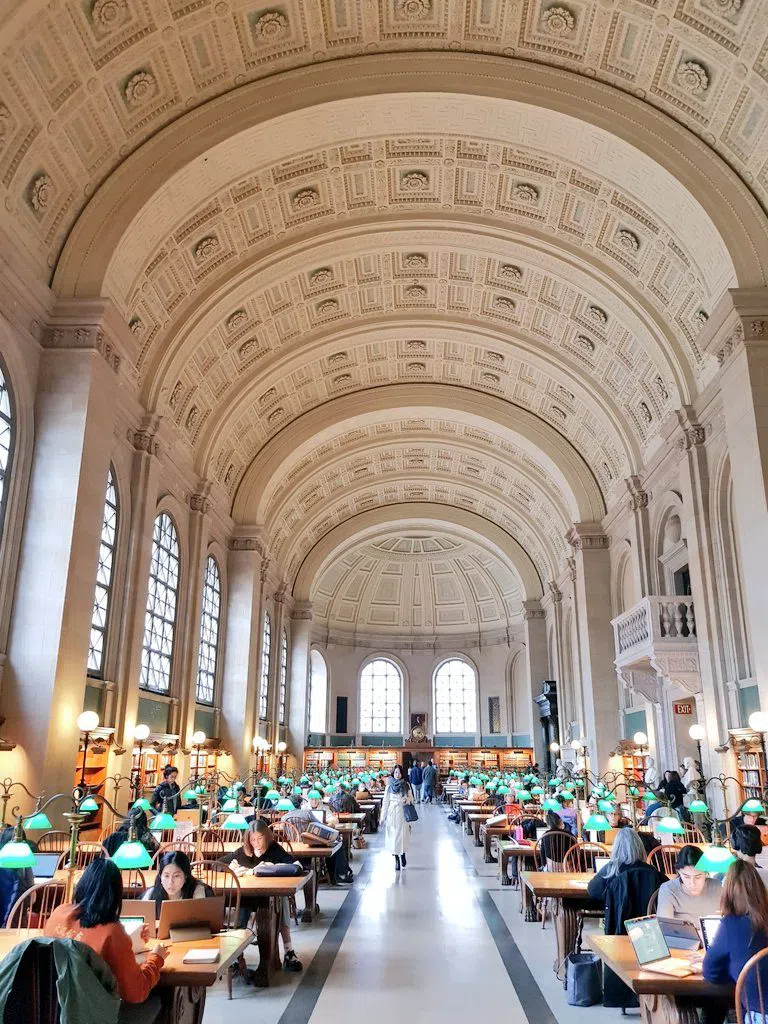
Directly across the square, the Boston Public Library, Central Library (Back Bay) offers the architectural payoff without the ticket — the 1895 McKim building is free to enter, offers free guided tours, and takes large groups without requiring a library card or advance booking. The courtyard alone, modelled on a Renaissance palazzo, is worth the detour even if you have no interest in the reading rooms.
Charlestown: Across the Bridge to the Navy Yard
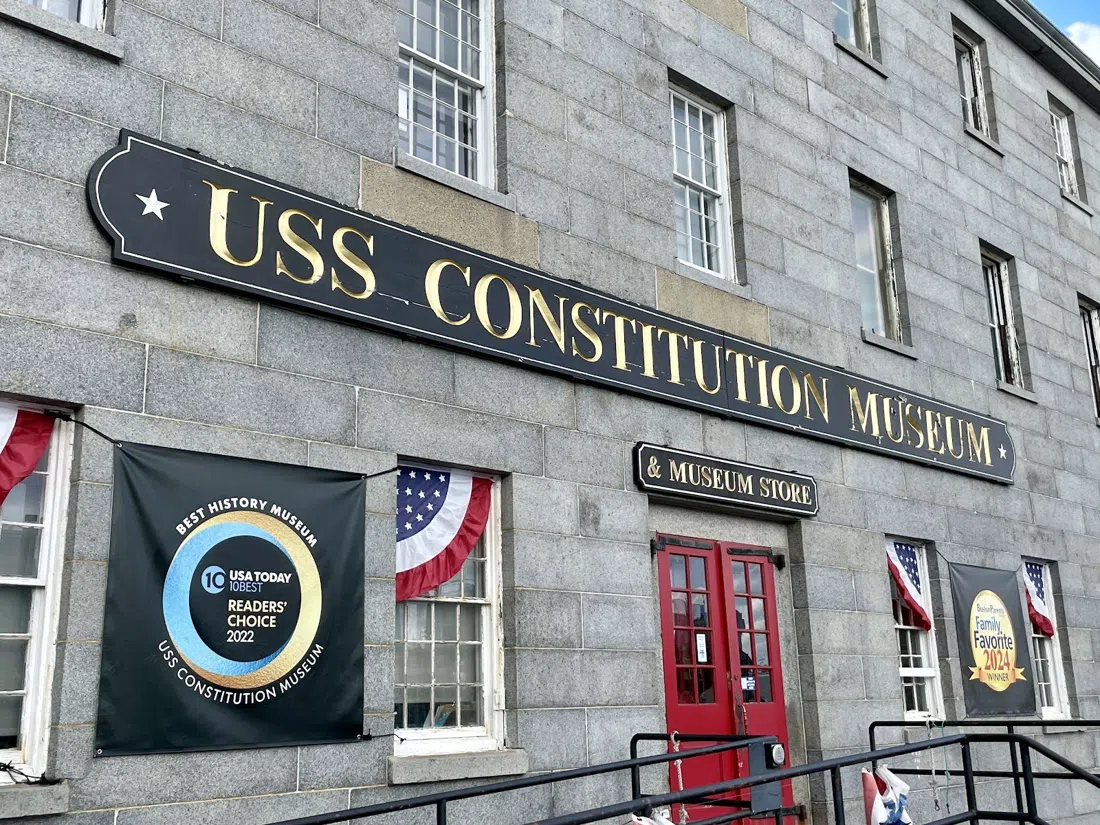
Charlestown sits just across the water from the North End, reachable on foot via the Charlestown Bridge or by water shuttle, and it holds two stops that reward the crossing. The USS Constitution (Charlestown), the oldest commissioned warship still afloat anywhere in the world, offers free 30-minute guided tours led by active-duty Navy personnel, confirmed running Wednesday through Sunday. Groups are handled well, but every adult needs photo ID and everyone passes through a security checkpoint before boarding — build ten extra minutes into your plan for that.
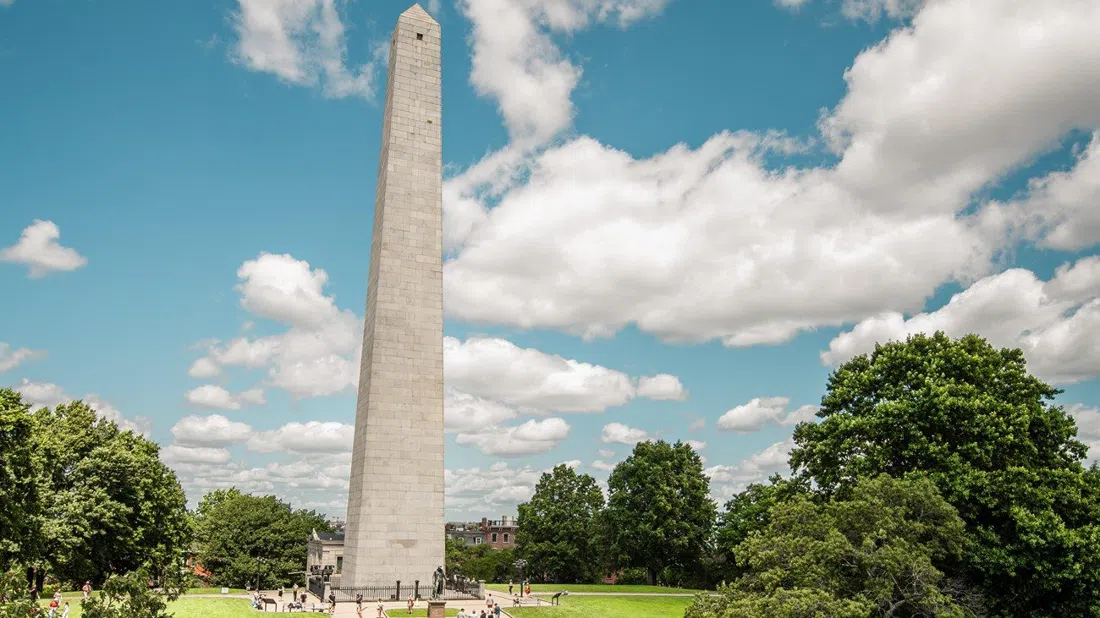
A short walk uphill is the Bunker Hill Monument (Charlestown), a granite obelisk marking the 1775 battle, free to enter but genuinely constrained inside: only 25 people are allowed on the spiral stairs at a time, so larger groups need to split and expect a wait. It's confirmed open Wednesday through Sunday, matching the Constitution's schedule, which makes the two an easy same-day pairing — climb first, tour the ship after, and you'll have the view from the top still fresh in mind when you're standing on the deck below.
South Boston: The Real Southie
Southie is a fifteen-minute drive or a longer, flatter walk from downtown, and it's worth the trip for a version of Boston that doesn't perform for visitors. L Street Tavern (South Boston) is a genuine, still-operating neighbourhood dive — the accent at the bar is not for show — confirmed open as of August 2026 and distinct from the separately closed L Street Diner further down the same road, a mix-up worth avoiding before you set out. It's casual, walk-in, fine for small groups, and pub fare and drinks run $10-18.
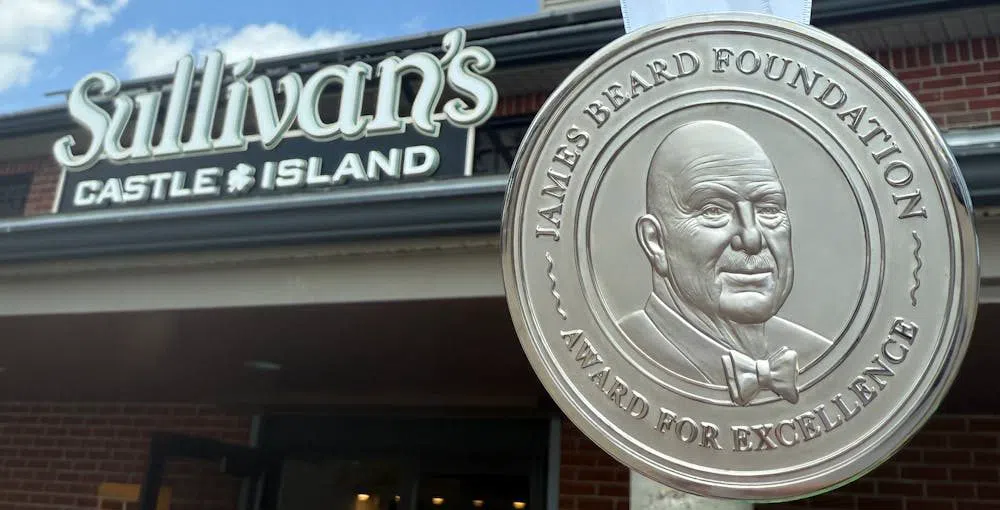
Finish at Sullivan's Castle Island (South Boston), a family-run walk-up seafood and hot dog counter operating since 1951 and confirmed open for its 75th season in 2026 — a real anniversary, not a rounded-up one. It sits beside Fort Independence with harbour views on all sides, handles groups easily even at peak volume, and has seasonal outdoor seating; expect to spend $5-15 and to eat standing up or at a picnic table, which is exactly the point.
The South End: Sunday Market
If your visit includes a Sunday, the SoWa Open Market (South End) is worth building the day around rather than squeezing in. It's confirmed running its 23rd season, Sundays through mid-November 2026, in a large open-air lot that easily absorbs groups without the crush you'd get at a smaller market. Entry is free; food and craft stalls are priced individually, and it functions as the South End's answer to the North End's bakeries — less Italian pastry, more local makers and food trucks. It only runs the one day of the week, so don't plan a Tuesday visit expecting the same thing.

Jamaica Plain: Beer and Ice Cream at the End of the Line
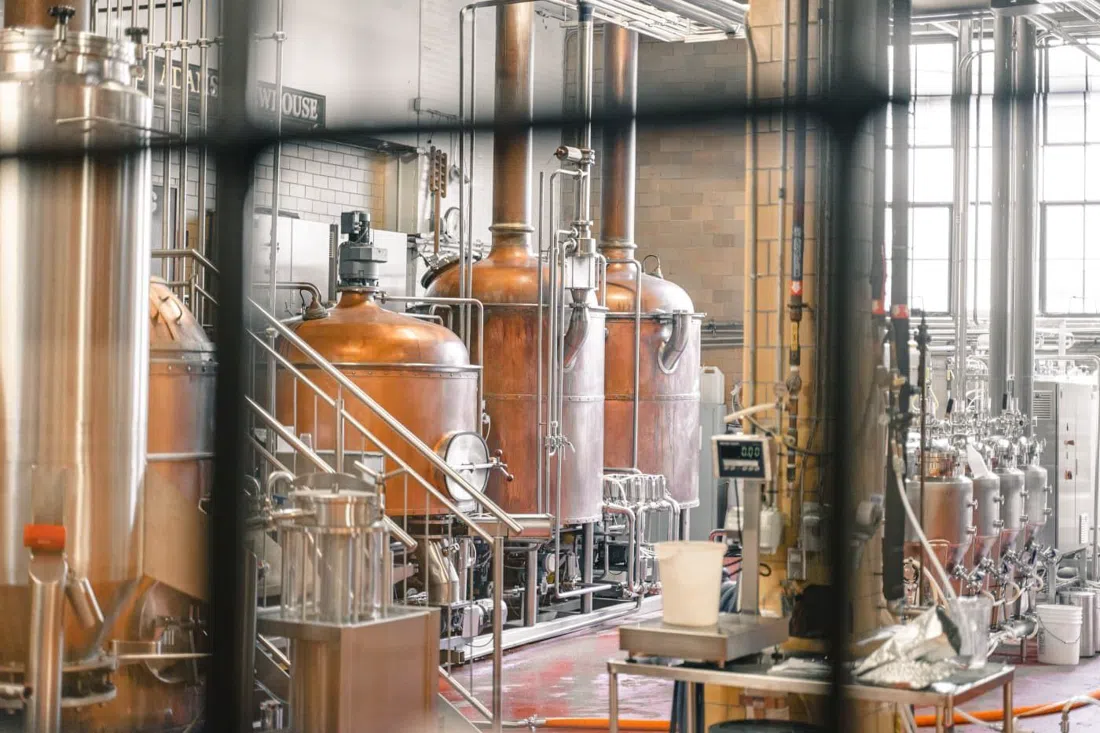
Jamaica Plain sits at the far end of the Orange Line and rewards travelling that far with two stops that pair naturally. The Samuel Adams Boston Brewery (Jamaica Plain) is the original, still-operating site — a working brewery, not a museum built to look like one — and the neighbourhood's best-known industrial landmark. Tours are explicitly group-friendly, most are 21-and-over though one family-friendly option exists, and larger parties should book ahead; prices range from $10-45 depending on the tour chosen.
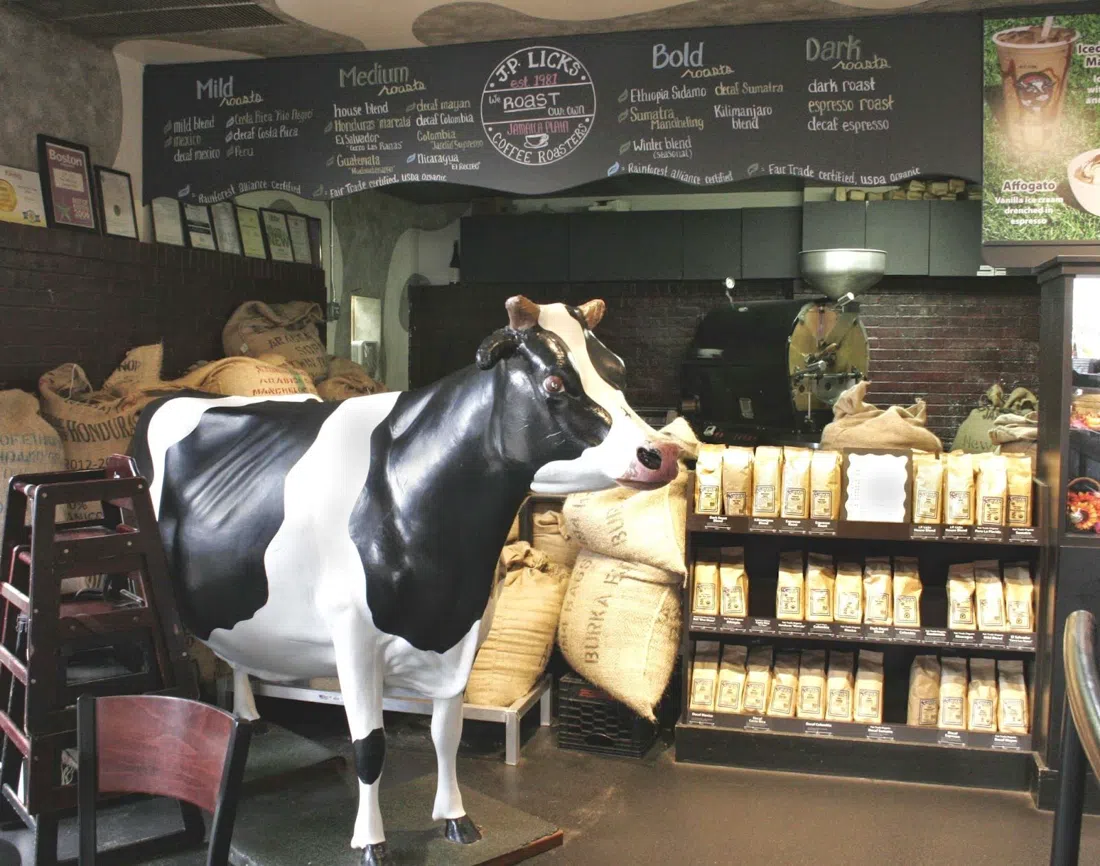
Afterward, walk down to J.P. Licks (Centre Street) for the neighbourhood's signature closer. Founded here and still headquartered on Centre Street, it's a casual, walk-in ice cream shop that handles groups without difficulty, and a cone runs $5-9. It's a small, ordinary pleasure after a brewery tour, and Jamaica Plain's better for it — this isn't a neighbourhood built around a single attraction, and treating it that way misses what it actually is.
One Stop Across the River
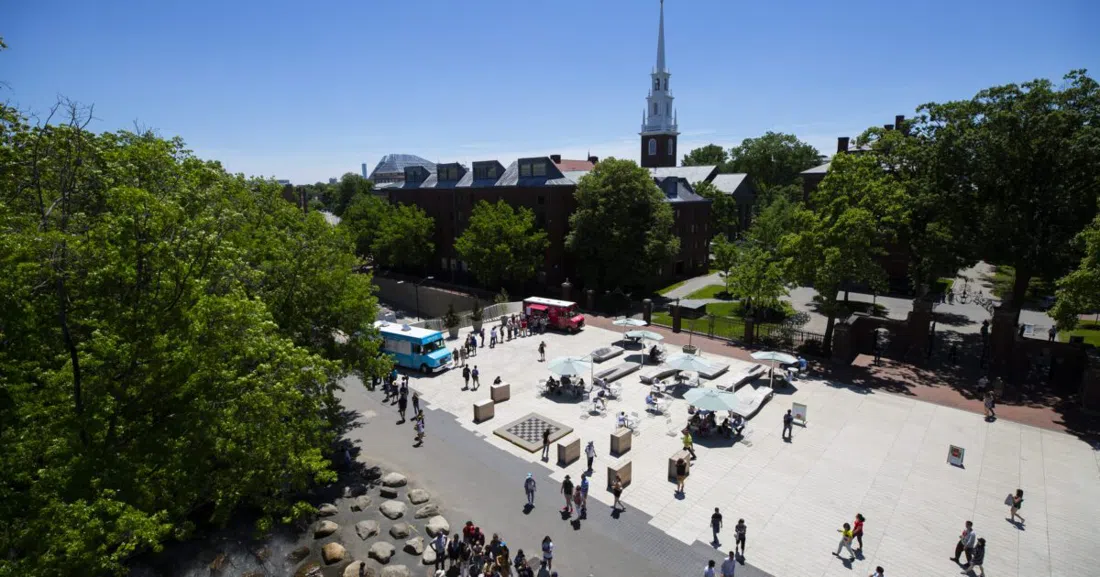
For readers with an extra half-day and an interest in one district outside Boston proper, Harvard Square (across the Charles) is a short T-ride away and a useful contrast — a different accent, a different architecture, and a campus that's genuinely open to walk through. It's a free, self-guided public square, easily handles large groups outdoors, and a student-led guided walk is bookable separately for those who want a person rather than a map. 2026 has added a free, self-guided Revolutionary-era trail through the square, a genuinely topical hook given the wider 250th-anniversary programming running across the region this year. It's not essential to a Boston itinerary, but it rounds one out well if the week allows it.
Getting Around, Timing, and Budget
Boston's core neighbourhoods are walkable in the literal sense — the North End to Beacon Hill is under a mile, and even Charlestown is a bridge crossing rather than a journey — but Southie and Jamaica Plain sit far enough out that you should plan around the T (Boston's subway) or a short cab rather than adding them to a single walking day. Buy a CharlieCard or use contactless tap-in at any station; it's cheaper and faster than paying cash on board. Most of the sites above take cards, but the SoWa Open Market and some of the smaller North End counters run more smoothly with a little cash on hand for quick transactions.
Give each neighbourhood its own half-day rather than stacking three into one — Boston's charm is in the walking pace, and rushing it defeats the purpose of doing this on foot at all. Spring and autumn are the kindest seasons for walking; summer brings the crowds documented above at their thickest, and winter will test how much you enjoy cobblestones. A single day covering the North End, Beacon Hill, and Back Bay on foot, with lunch and a pastry stop included, runs comfortably under $50 per person outside of any hotel cost. For where to stay while you plan the rest, the Boston hotel search covers options across these neighbourhoods, and the full Boston guide has the wider city context if this itinerary is only the start of the trip.