
On 15 January 1919, after a hard cold snap and an abrupt thaw, a fifty-foot steel tank on Commercial Street split along its riveted seams and released more than two million gallons of molasses into the North End. The wave buckled the elevated railway supports, shoved a firehouse off its foundation and killed twenty-one people, and the court case that followed ran for six years before Massachusetts began requiring that structural plans be signed, stamped and filed by a qualified engineer. Stand on the spot now and you get a baseball diamond, a bocce court and a modest plaque on a fence, which is why this is a day of walking and asking rather than a day of looking at exhibits.
Walking the flood ground in the North End
Start where it happened, because the geography explains the disaster better than any display case will. The tank stood at 529 Commercial Street, on the harbour side of a dense immigrant quarter, next to a freight yard and under the elevated line. Molasses arrived here in bulk by ship, bound for industrial alcohol as much as for rum, and the tank had been filled fast and often through a wartime boom. The ground slopes toward the water; when the shell failed, the syrup had somewhere to go and a residential street to go through. The site is now Langone Park and the Puopolo Playground, rebuilt again in recent years, and the plaque near the bocce courts is the only marker you will find.
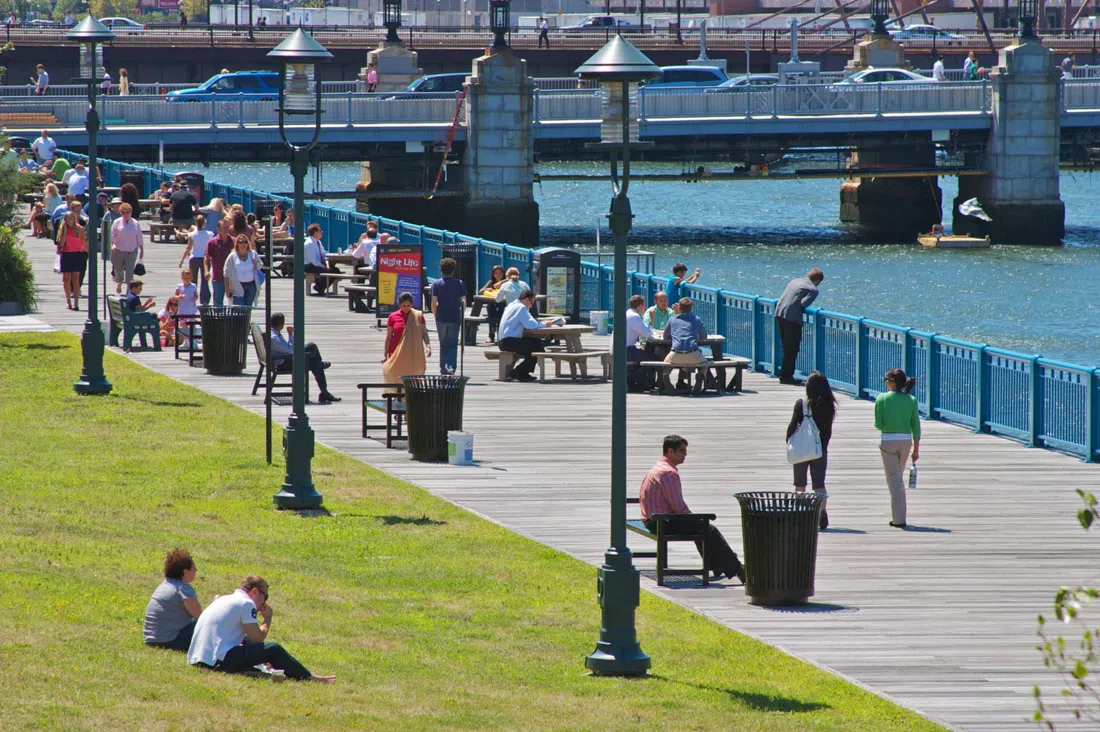
Boston Harborwalk (North End waterfront, then onward round the shoreline) ties the rest of the day together. It runs forty-three miles along the working and former-working edge of the city, created after the 1984 HarborPark plan obliged developers to hand the shoreline back to the public, and the North End stretch passes directly over the flood zone. It is free, permanently open and impossible to book, so a self-led group of any size can simply do it. Walk south and west from the plaque and you are following the same edge the molasses trade used, now fronted by condominiums, ferry berths and a good deal of glass. For the wider city context around this route, the Boston guide covers the neighbourhoods the walk threads through.
If you want the archival detail rather than the plaque, Boston By Foot (North End, starting on the waterfront) is the non-profit that holds it. Public tours run April to November at roughly $20 to $25 per person; private group walks run year-round for families, schools, universities and corporate parties with at least a week's notice. Be specific when you book: the standard public North End tour is built around immigration history, so ask for a private walk on the flood and the industrial harbour. It is the difference between hearing about the tank in passing and standing where the elevated structure was hit.
The firehouse that took the wave
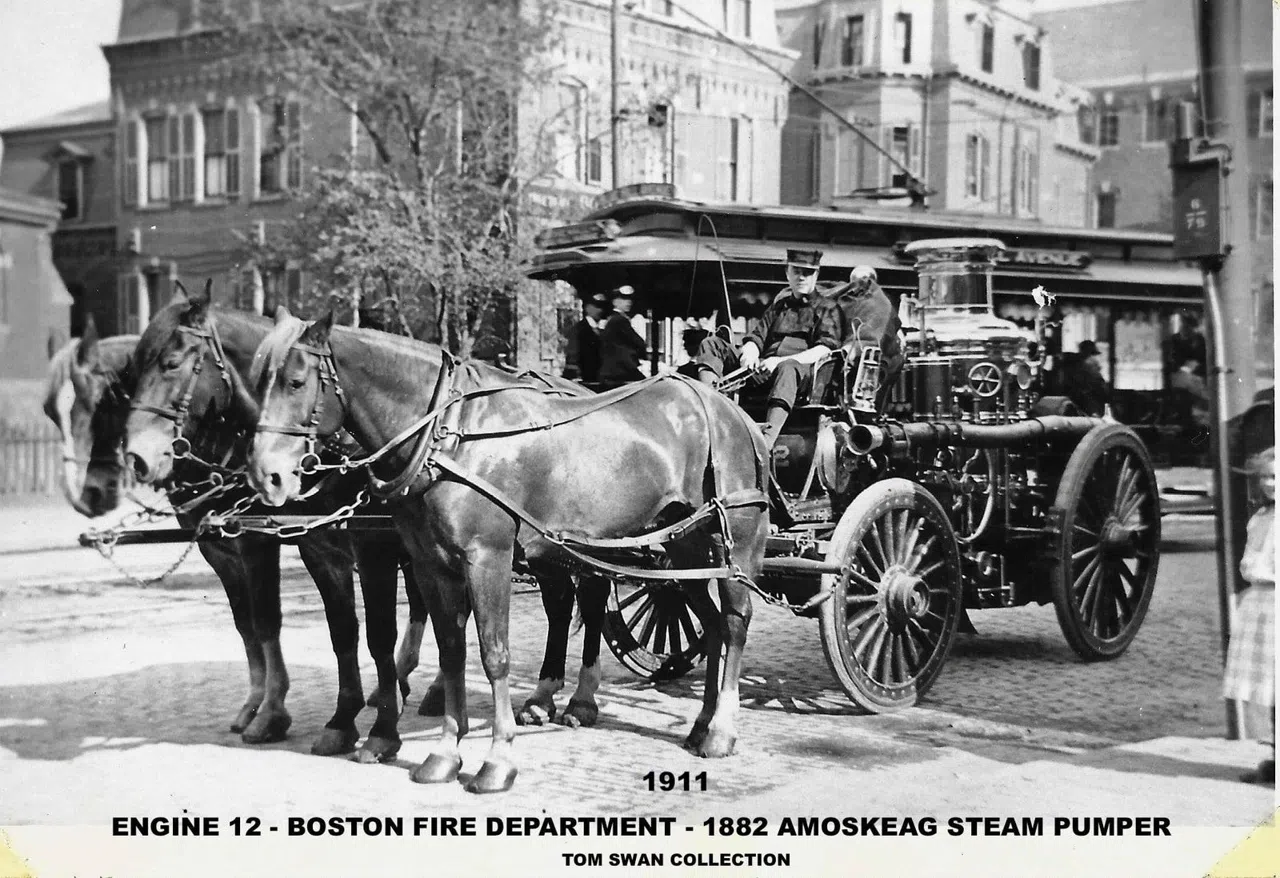
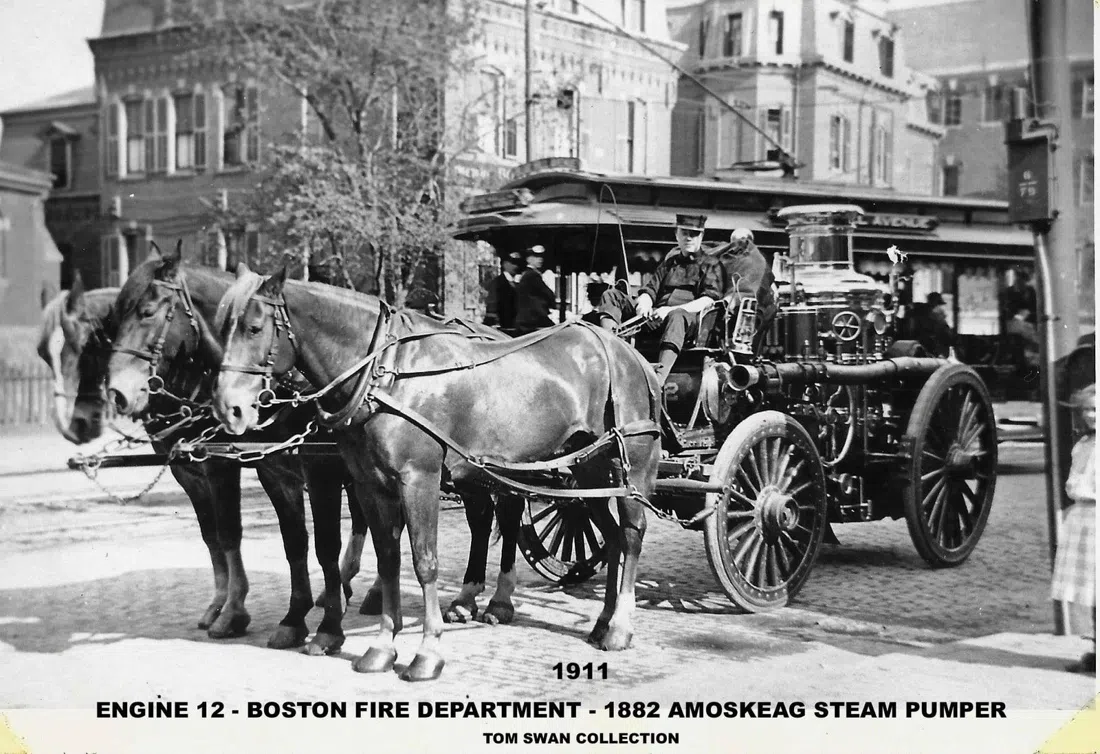
The most direct human link to the flood is not on the flood site at all. Boston Fire Museum (Fort Point, in the old Congress Street fire station) holds the story of Engine 31, whose firehouse was knocked off its foundation by the wave with crew inside, and whose fireboat then pumped the saltwater that finally cut the syrup off the streets. Entry is free, donations welcome, and the volunteers who run it will tell you that account properly if you ask, which is the reason to go, more than the apparatus on the floor.
The catch is the opening: Saturdays only, 10am to 4pm. Build the day around that window rather than hoping to slot it in. Because the place is volunteer-run, anything over about fifteen people needs an email or a phone call ahead; turning up as a coach party unannounced is not fair on a handful of retired firefighters. Couples and small groups can simply walk in.
The same channel, an earlier cargo
Two minutes' walk from the Fire Museum, on the same Fort Point Channel water, Boston Tea Party Ships & Museum (Fort Point Channel) anchors the other end of the argument. Boston's wharves were always about commodities arriving in bulk and the politics that followed them (tea in 1773, molasses in 1919), and the museum makes that continuity available even if it does so at full theatrical volume, with costumed reenactors and a good deal of audience participation. Tickets are timed entry, $35 to $39 for adults and $26 for children aged three to twelve, daily 10am to 5pm year-round; group and school bookings go through the website and are worth reserving well ahead in summer.
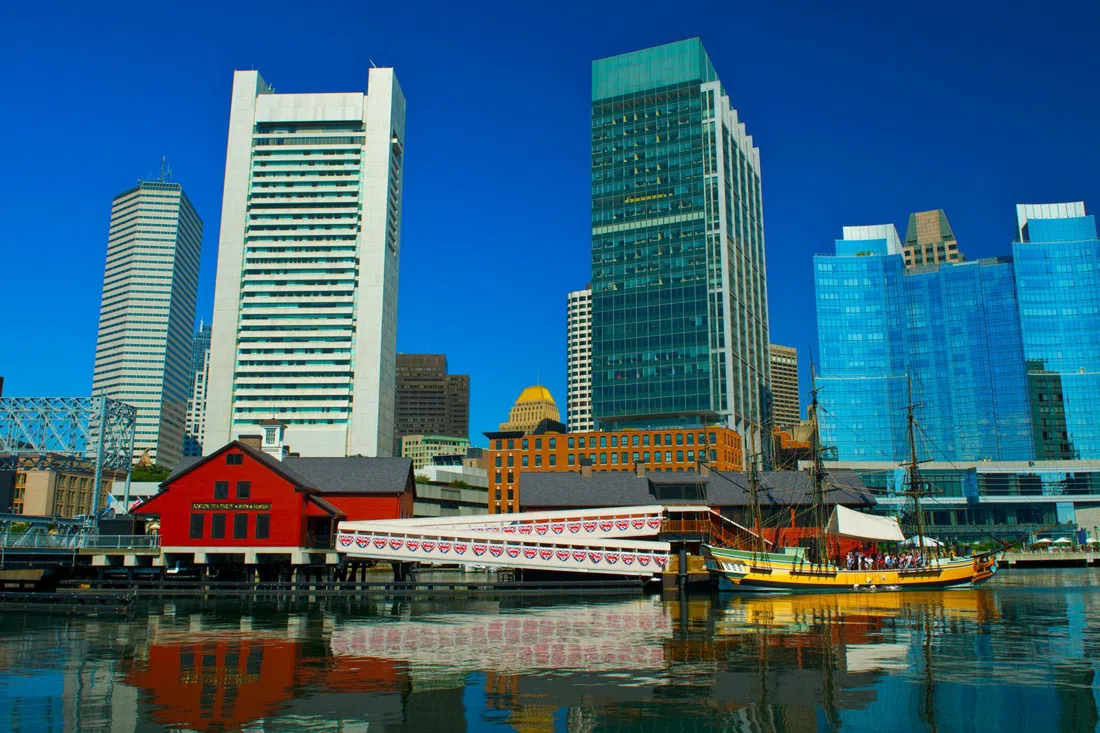
If the performance is not for you, go for one object: the surviving Robinson tea chest, the genuine artefact in a building otherwise dedicated to recreation. Families tend to get more out of this stop than couples do.
What the waterfront did for a living
To understand the world the tank belonged to, you need a pier that still works. Boston Fish Pier (South Boston waterfront, in the Seaport) opened in 1914 and remains the oldest continuously working fish pier in the country, with roughly twenty boats and nineteen seafood businesses on it at last count. You can walk the apron freely and for nothing. Go before 9am if you want to see it in motion (forklifts, ice, wet concrete, the smell) and understand that these are commercial premises, not an attraction: keep groups on the open deck and clear of the loading doors, and nobody will mind you being there. This is the surviving remnant of the waterfront the molasses tank sat on.
Across the harbour, USS Constitution Museum and the Charlestown Navy Yard (Charlestown) give you the same industry a century earlier and at national scale. This was America's oldest industrial naval complex, and the dry dock and workshops are original fabric rather than reconstruction; the Ropewalk, the quarter-mile building where rigging was laid, is residential now, so you view it from the outside. Boarding the ship is free and first-come, as is the Navy Yard itself. The museum runs on a suggested donation of roughly $15 to $25 for an adult and takes groups by reservation on 617-426-1812 x101. Parties over fifty are split between the museum, the ship and the National Park Service visitor centre, so plan on your group being divided rather than herded.
The machine hall the flood implicates
The flood was an engineering failure before it was anything else: a tank never properly tested, leaking so persistently that it was painted brown to disguise the seepage, and signed off by a company treasurer with no technical training. For the counter-example, the engineering culture that did work and did document itself, take the Green Line out to the Metropolitan Waterworks Museum (Chestnut Hill). It is off the harbour entirely, and it holds the city's most complete surviving machine hall: three enormous steam pumping engines standing in their original building, municipal engineering laid out at full size.
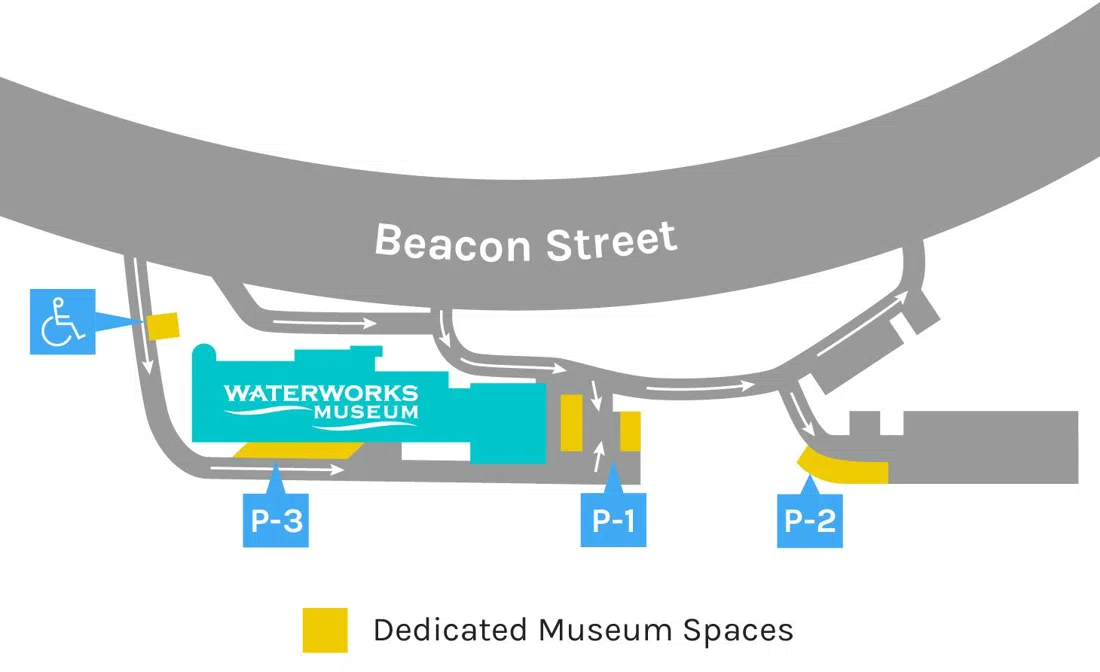
Entry is free, Wednesdays 11am to 9pm and Thursday to Sunday 11am to 4pm. Groups of four or more can book special-access tours on Fridays, which need at least two weeks' notice. It is the one detour on this list that leaves the water, and it earns the ride.
Molasses, distilled and poured
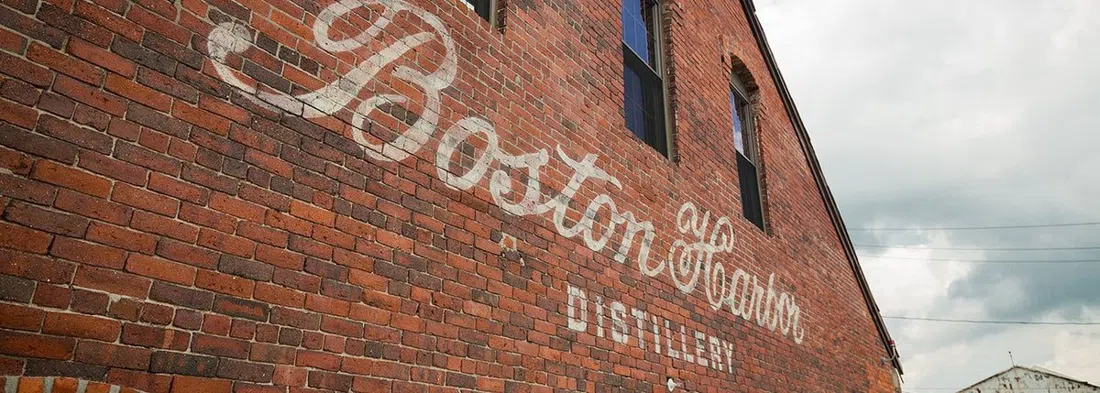
The molasses trade has a living sequel, and it is worth drinking. Boston Harbor Distillery (Port Norfolk, Dorchester) distils rum on the city's southernmost waterfront inside the old Putnam Nail Company mill, a building that later housed the Lawley shipyard and, after that, an ice-cream factory. It was founded by Rhonda Kallman, a co-founder of the Boston Beer Company. Saturday tastings and tours seat groups barrel-side; the Taste of Boston sampler is $20 per person and the VIP whiskey tour $50. Whiskey Wednesday runs at $75 per person with a minimum of four. It is closed Sundays, and private events go through [email protected] or 617-533-7001.
Harpoon Brewery and Beer Hall (Seaport, 306 Northern Avenue) is the city's craft-beer originator and still brews inside a live marine industrial park; you cross working freight ground to reach the door, which is the point of coming here rather than to a downtown taproom. Beers run $8 to $10; the guided tasting is about $5 and takes twenty-five minutes, Sunday to Friday, while the full Saturday brewery tour is about $15 and is the one that shows you the plant. The beer hall itself is first-come with no reservations, so a large group arriving at 7pm on a Friday will stand. Come early or book the event space, which they are set up for.
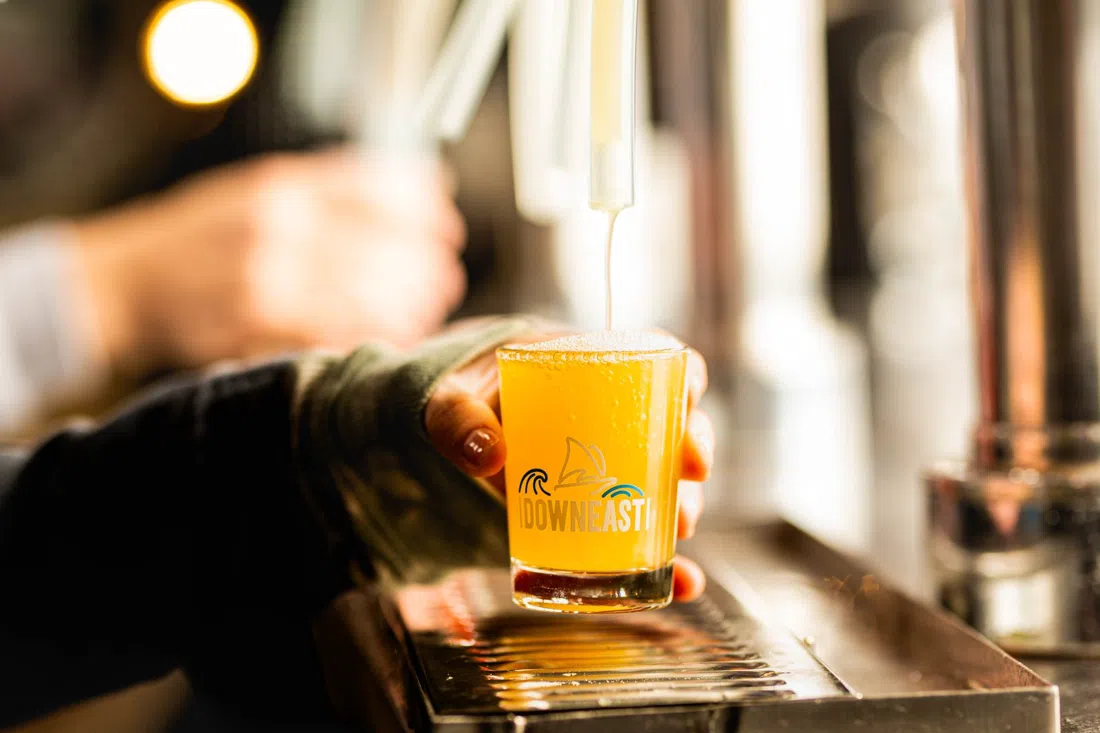
A ten-minute ferry from the downtown wharves, Downeast Cider House (East Boston, 256 Marginal Street) puts you inside an operating shipyard with the machinery audible behind the taproom wall. There are no tours; the floor is the tour. It opens Thursday to Sunday, walk-in, and indoor service is limited to one tasting flight per person per day, at roughly $10 to $15. Groups are better served between May and October, when the outdoor cider garden pours full pints and has room to sit. Entry is free.
Granite, labour and the outer harbour
If you have a spare day and the season allows, Georges Island and Fort Warren (outer harbour, ferry from Long Wharf North) is the harbour's other great stone-and-muscle project: hand-cut granite, eight years of quarry labour, and Civil War prison cells in the casemates. The island is free, the return ferry runs roughly $25 to $30 for an adult, National Park Service rangers give free fort tours, and group ferry bookings are available.
Check the sailing before you commit anything to it. The season runs from mid-May to Indigenous Peoples Day weekend, around 12 October in 2026, and nothing runs in winter.
Getting around, paying and timing
Anchor the itinerary on a Saturday, because the Fire Museum opens only then and the Harpoon brewery tour is a Saturday fixture too. A workable order: Fish Pier before 9am, the North End flood site and Harborwalk mid-morning, the Fire Museum at midday, then either the Tea Party ships two minutes away or the ferry across to East Boston for cider. Keep Charlestown, Chestnut Hill and Georges Island for a second day; they pull in three different directions and rushing them defeats the purpose.
Transport is mostly the T and the inner-harbour ferries. A CharlieCard or contactless tap covers subway and bus; the ferries are a separate fare and genuinely quicker than going round by land between the downtown wharves and East Boston. The Green Line gets you to Chestnut Hill. Almost nothing on this list needs cash, since the taprooms, museums and ferries all take cards, but carry a little for the Fire Museum donation box, which is the only meaningful support that place receives.
On budget: the spine of the day is free. Harborwalk, the Fire Museum, the Fish Pier, the Navy Yard, the ship and the Waterworks cost nothing beyond a donation. A realistic day with one museum ticket, a guided walk and a couple of drinks lands around $80 to $110 per person; strip out the Tea Party ships and the private tour and you are under $30. Book ahead for Boston By Foot private walks (one week), Waterworks group tours (two weeks), the Navy Yard museum for groups, and Tea Party tickets in summer. Everything else you can simply turn up to.
For somewhere to sleep within walking distance of most of this, the Seaport and Fort Point sit closest to the working waterfront while the North End puts you on the flood ground itself; compare rates and locations through Boston hotel search. Wear boots you do not mind getting wet, and expect wind off the water in any month.