The Boston issue
Boston's Tea Party Is Buried Under the Financial District
A one-day walk that separates the costumed legend of 16 December 1773 from the ground it actually happened on. That ground, it turns out, has moved.

By Harriet FenwickReading Boston neighbourhood by neighbourhood
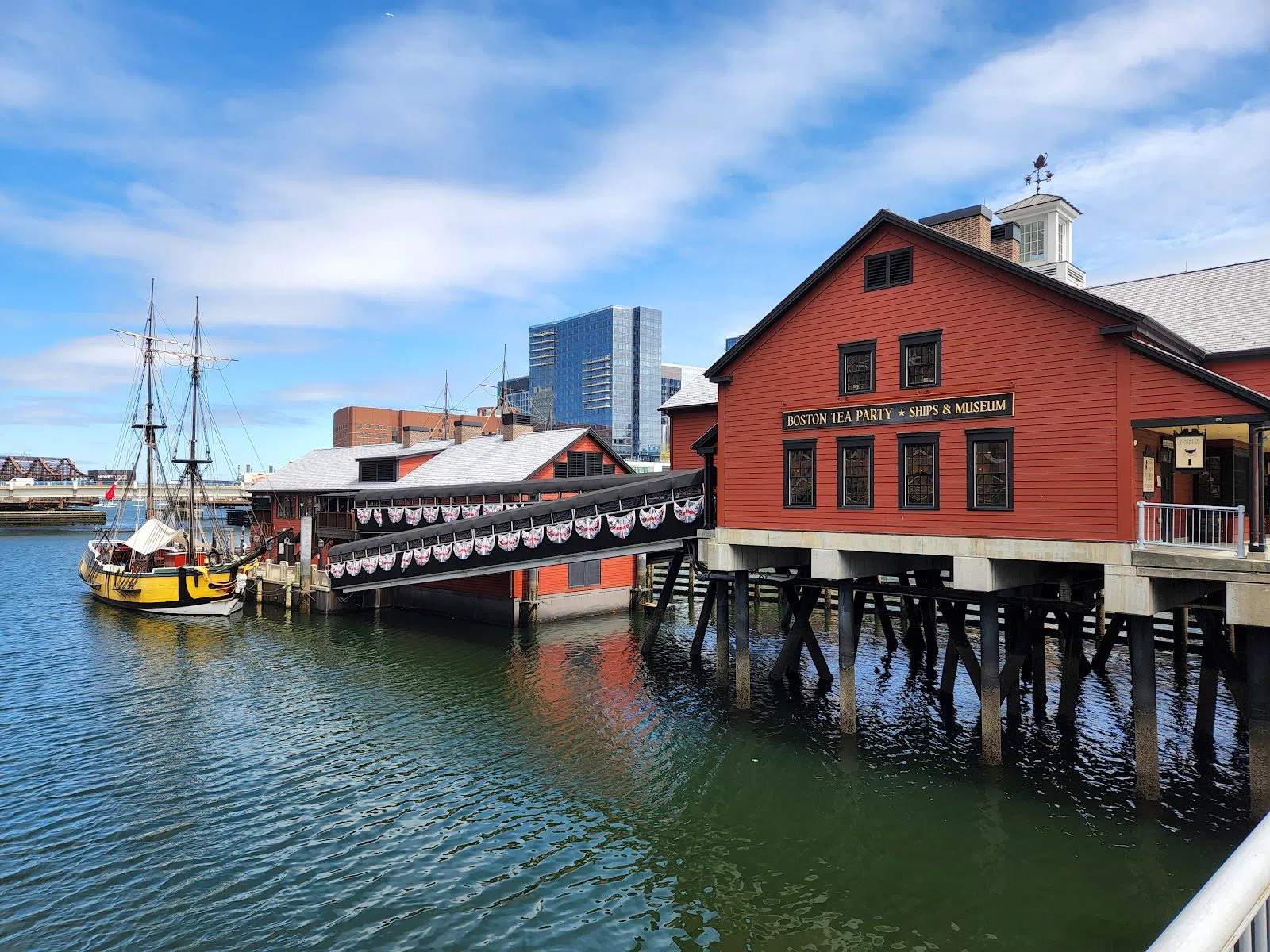
The tea went into water that is no longer there. Nineteenth-century landfill pushed Boston's shoreline hundreds of feet east, so the place where roughly 340 chests went over a ship's rail on the night of 16 December 1773 now sits under the Financial District: office floors, a road junction, the ordinary traffic of a working city. The gap between where the story gets told and where it happened is about a quarter of a mile, and walking that quarter-mile is the whole point of this route.
Start with the version everyone else gets
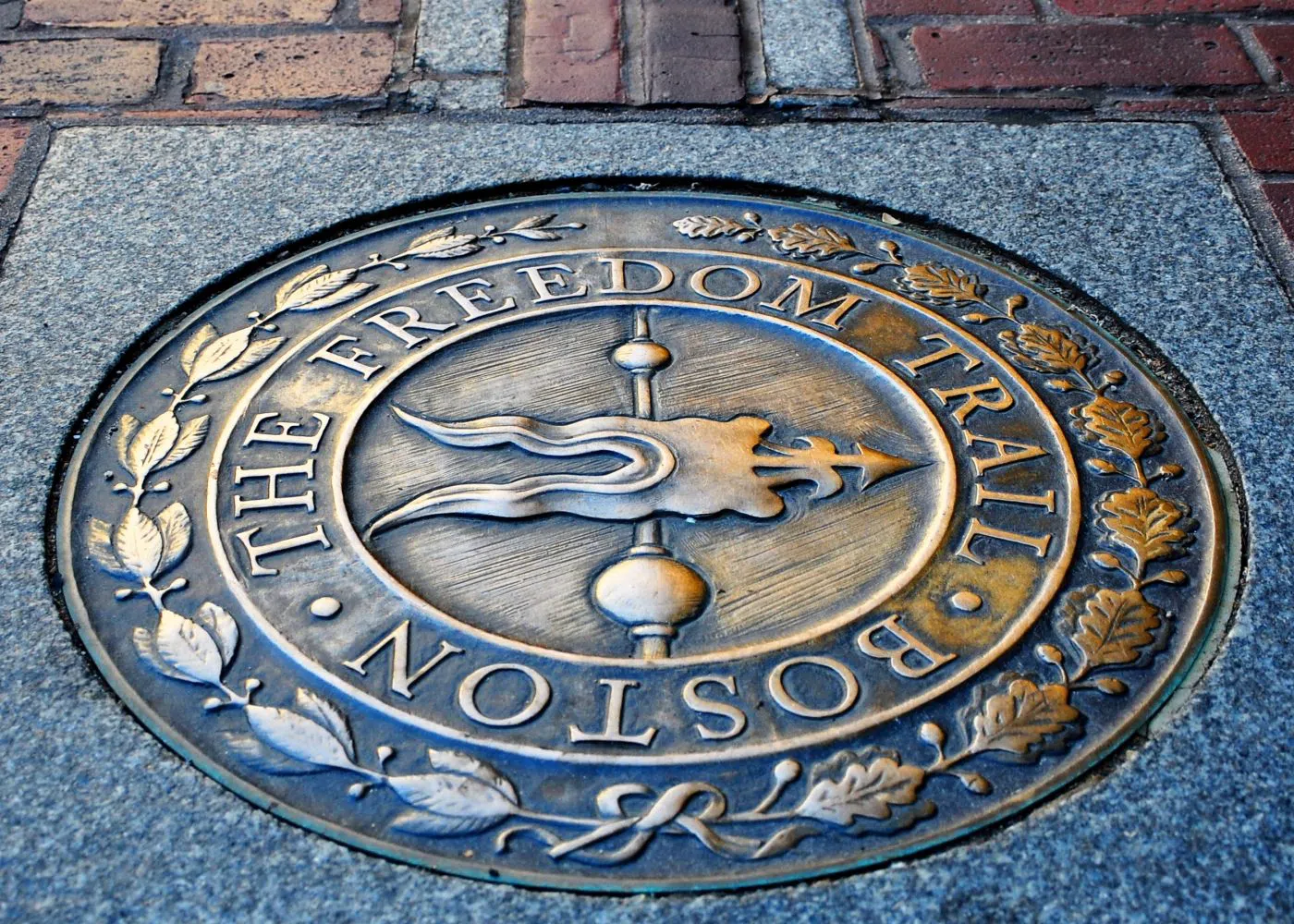
Take the legend at face value first, because the contrast is what makes the rest land. Freedom Trail Foundation (departures from Boston Common and Faneuil Hall, downtown) runs 90-minute public walks daily with costumed guides, around $16 to $20 an adult, with private and group bookings on 617-357-8300. It is theatrical by design: the red brick line underfoot, the tricorn hat, a story with a clean beginning and end. Do it at nine or ten in the morning, treat it as the received account, then spend the rest of the day complicating it.
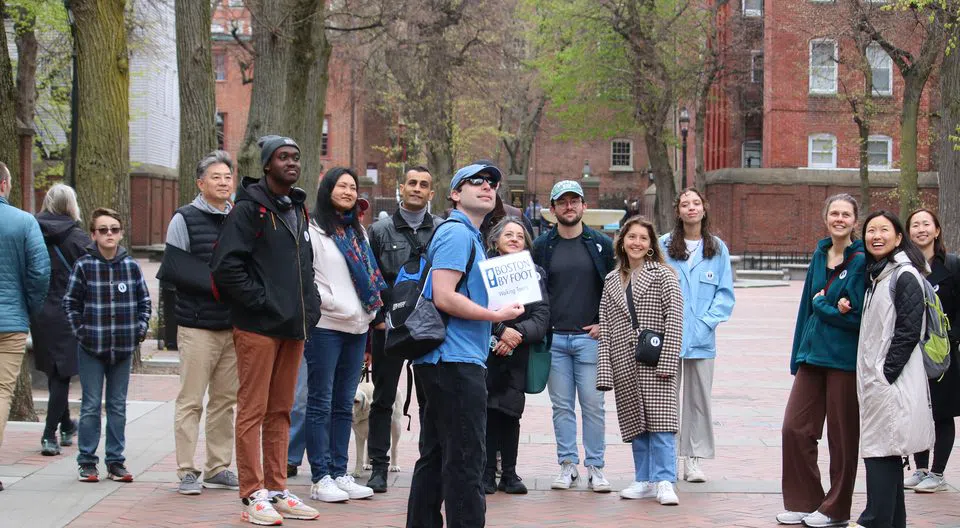
If you would rather go straight to the rigorous version, Boston By Foot (a citywide non-profit operator, departures at various downtown points) charges roughly $20 to $30 a head on public tours. 'Sam Adams' Boston' and 'Road to Revolution' both touch this material, but the one to ask for is the by-request Historic Waterfront walk, where the guides talk about made ground and can tell you where the claim comes from. For groups, any listed tour can be booked privately with one to two weeks' notice: a flat rate up to twelve people, per person above that, an extra guide over twenty, a two-hour cap and no same-day bookings. That last rule catches people out constantly.
Plan your Boston trip
Live prices from our booking partners.
Free cancellation on many rooms. We may earn a commission when you book.
The ships, the chest and the quarter-mile problem
Boston Tea Party Ships & Museum (Fort Point Channel, on the Congress Street Bridge) is the obvious first stop and does the myth-busting work better than anything else you can buy a ticket for. Adult entry runs $35 to $39, children aged three to twelve $26, under-threes free, on timed slots, which means large parties have to pre-book; there is a dedicated group desk at [email protected] with rates for big parties and school bookings. The reenactors are genuinely good, neither winking at the audience nor condescending to it, and the object that justifies the price is the Robinson Half Chest, the only known chest to survive that night.
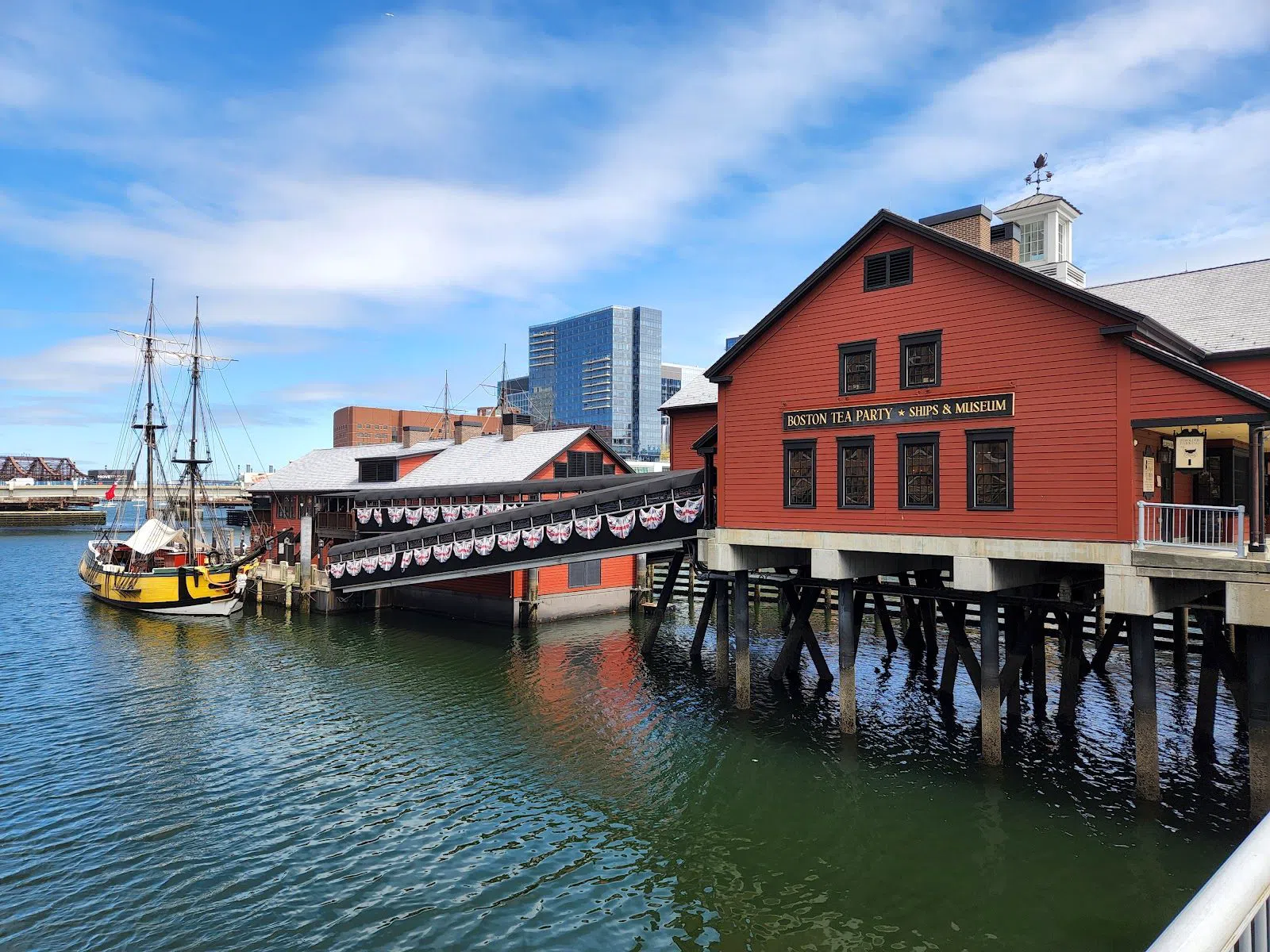
The honest part comes when you walk out. The museum sits on the Congress Street Bridge, a quarter of a mile or so from where Griffin's Wharf actually stood. Say that out loud on the pavement outside and the rest of the day snaps into focus: you have just watched a careful reconstruction, moored in water that had to be chosen for access and sightlines rather than accuracy. The museum is not at fault for that. Every commemorated site in this city works under the same condition.
The corner where the wharf isn't
Walk five minutes inland to the Griffin's Wharf commemorative marker (Congress and Purchase Streets, at the edge of the Financial District). It is free, it is street-level, and it is a plaque on a busy corner with buses turning across it. Keep a group tight and off the kerb, and give it two minutes rather than ten.
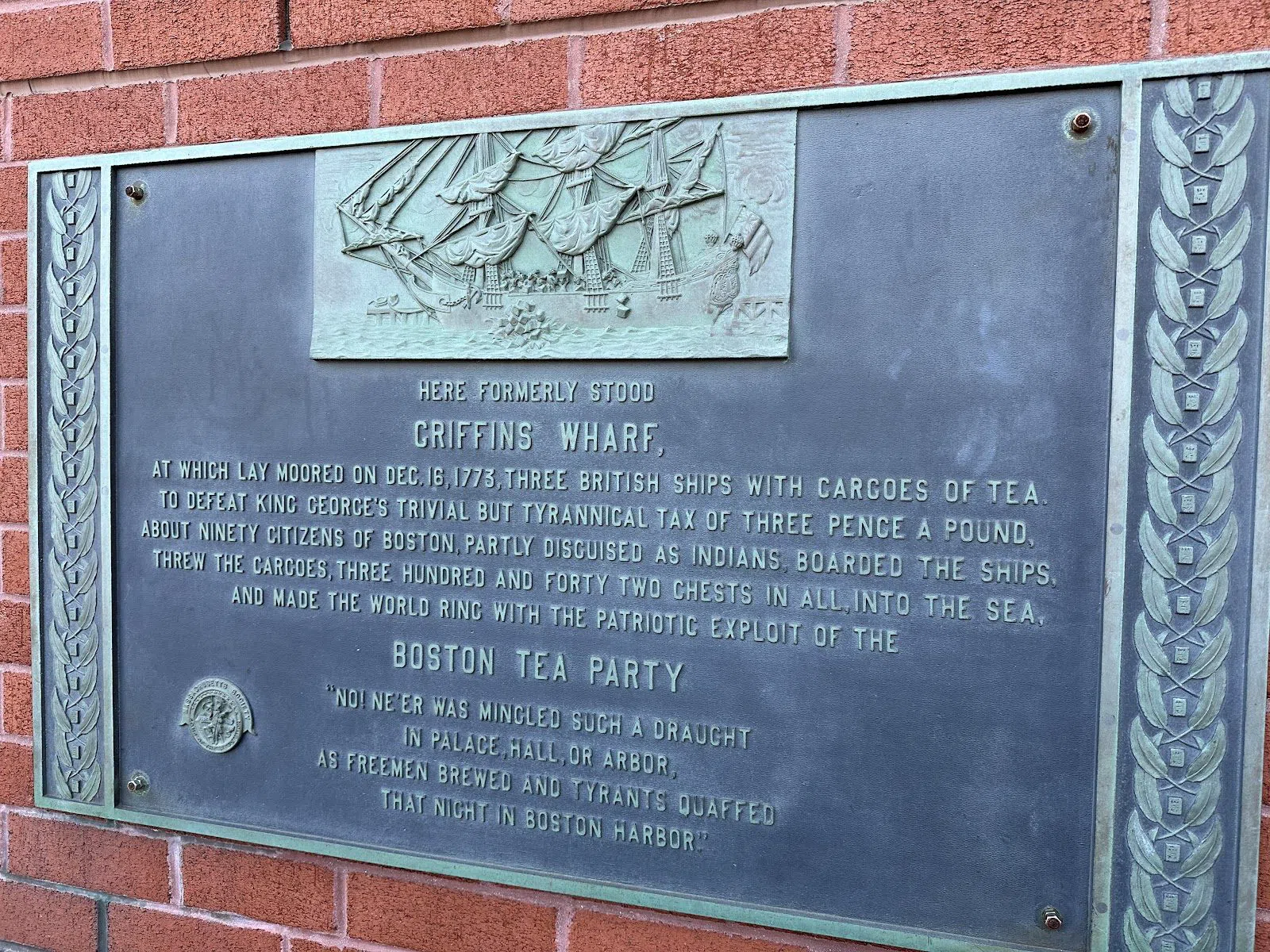
You are looking at an argument rather than a site. The museum points here; other researchers put the wharf nearer Atlantic Avenue and Pearl Street. Nobody can settle it, because the landmarks that would settle it were buried under fill in the 1800s along with the shoreline itself. The uncertainty is the story. Visitors arrive expecting a dock and a dark harbour and find a junction with a coffee shop on it, and the moment they understand why, they understand more about how Boston is built than any guide can tell them in a sentence.
The room that landfill couldn't touch
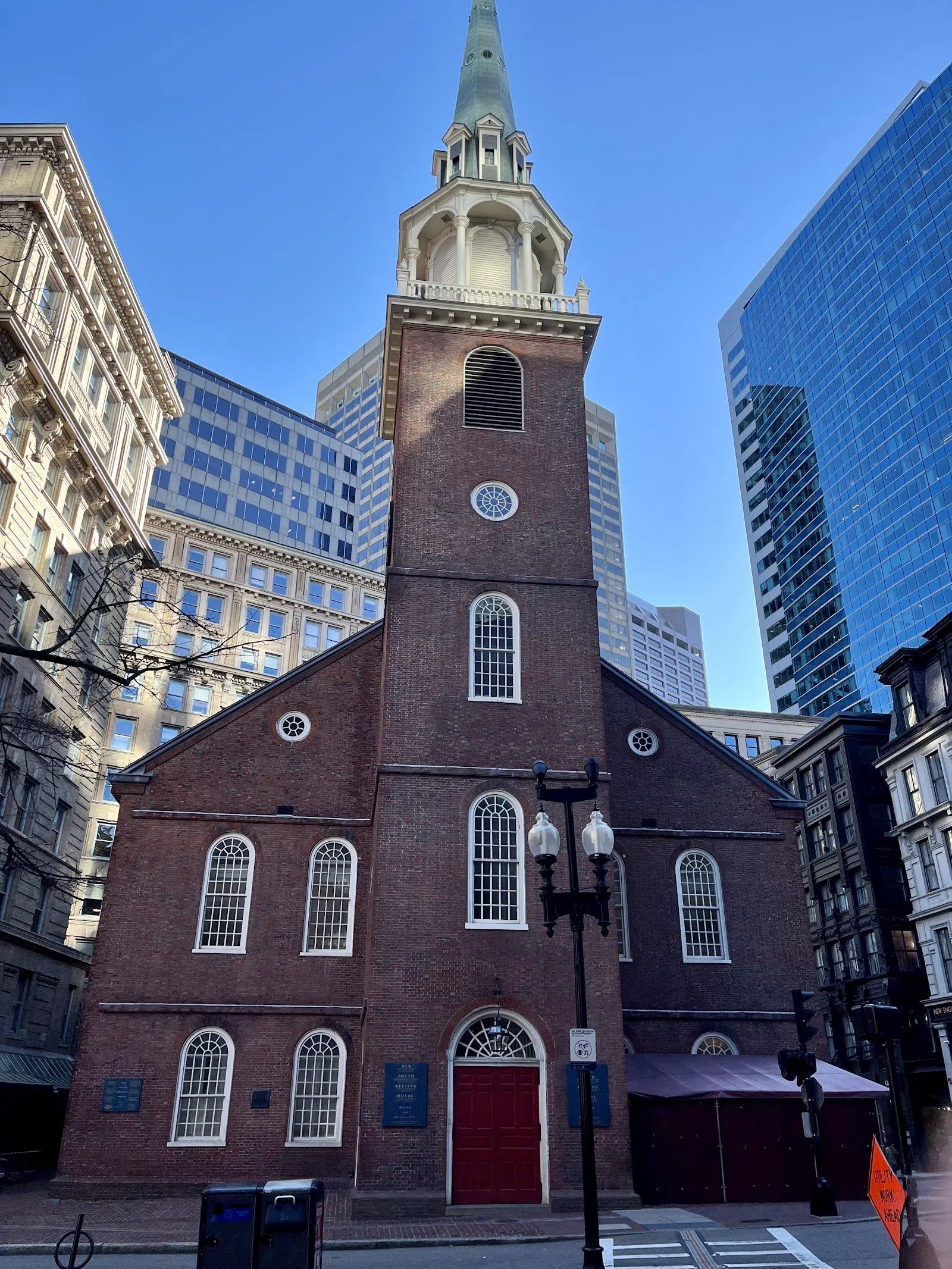
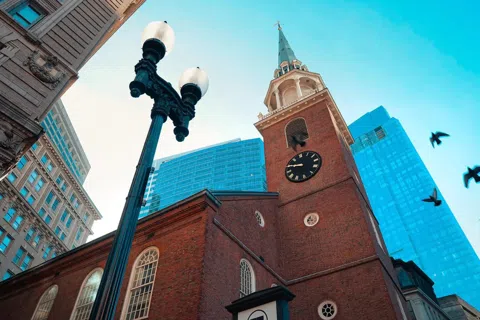
Old South Meeting House (Downtown Crossing) is the counterweight, and for anyone serious about the subject it is the essential stop. Around 5,000 people packed into this building on 16 December 1773 for the meeting that broke up minutes before the chests went into the harbour, and the room is still standing with its acoustics intact. Stand in it and the crowd figure stops being an abstraction. It opens daily from 10am to 5pm on a combined Revolutionary Spaces ticket of roughly $15 to $20 that also covers the Old State House; the immersive 'Ruckus!' show runs hourly at quarter past, so time a group to a start rather than arriving mid-performance.
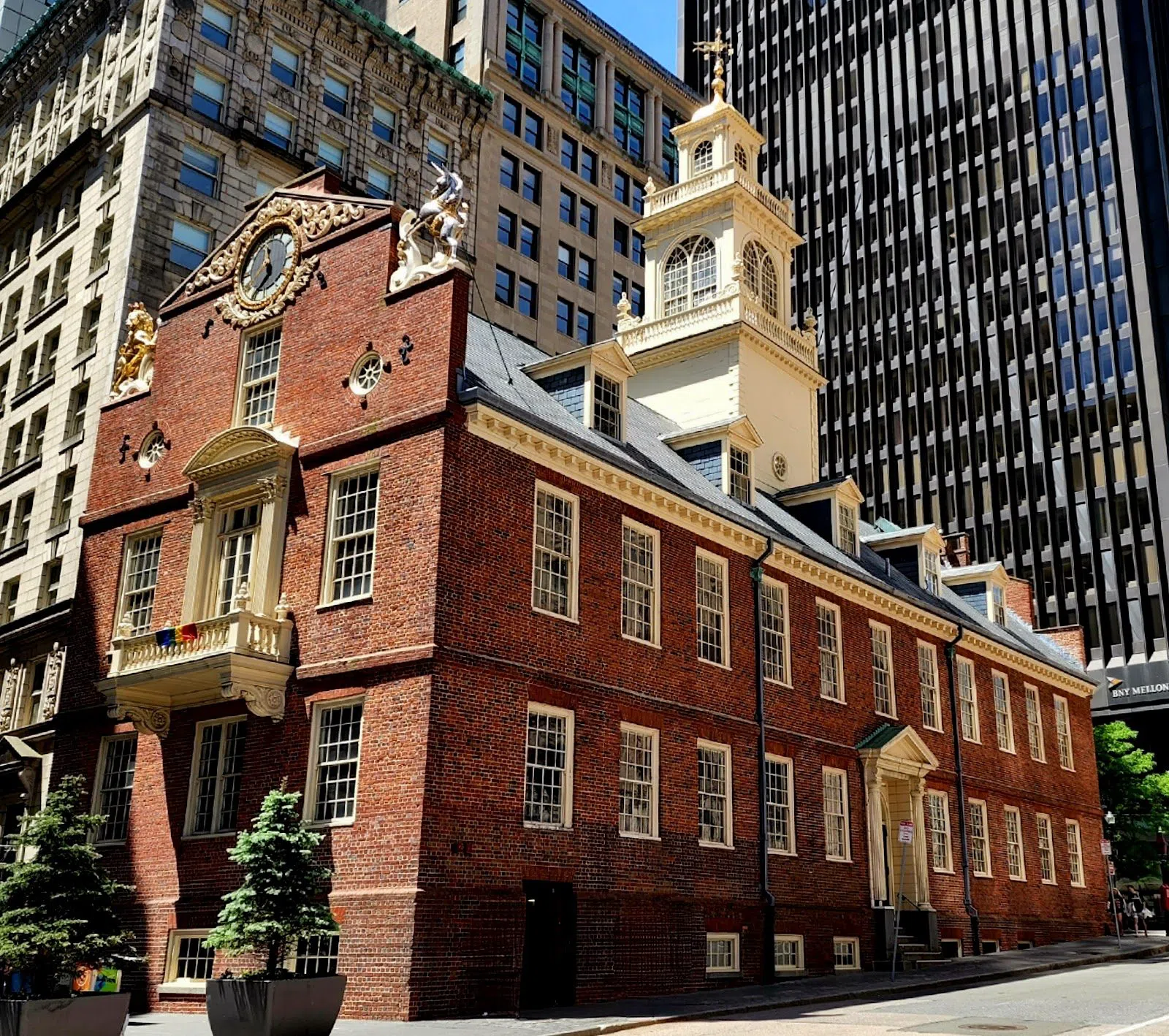
Old State House (State Street, downtown) is a short walk east and covered by the same ticket. It was the seat of the royal government the tea protest was aimed at, and the Boston Massacre circle set into the pavement outside makes the same point as Griffin's Wharf in miniature: the marker sits several feet from where the shooting actually took place. Commemoration and accuracy are two different jobs, done by different people, usually centuries apart. The building is compact, so larger parties are split at the door and reassembled afterwards.
Faneuil Hall (downtown, by Government Center) belongs on the route for a reason most visitors never hear. It was the venue the organisers wanted in 1773 and it simply could not hold the crowd, which is why the meeting moved to Old South. Entry is free and National Park Service rangers give talks several times daily, Tuesday to Sunday in season. Check before you commit a group: the exterior has been under renovation and the Great Hall closes without notice for city functions.
Two maps and a vial of leaves
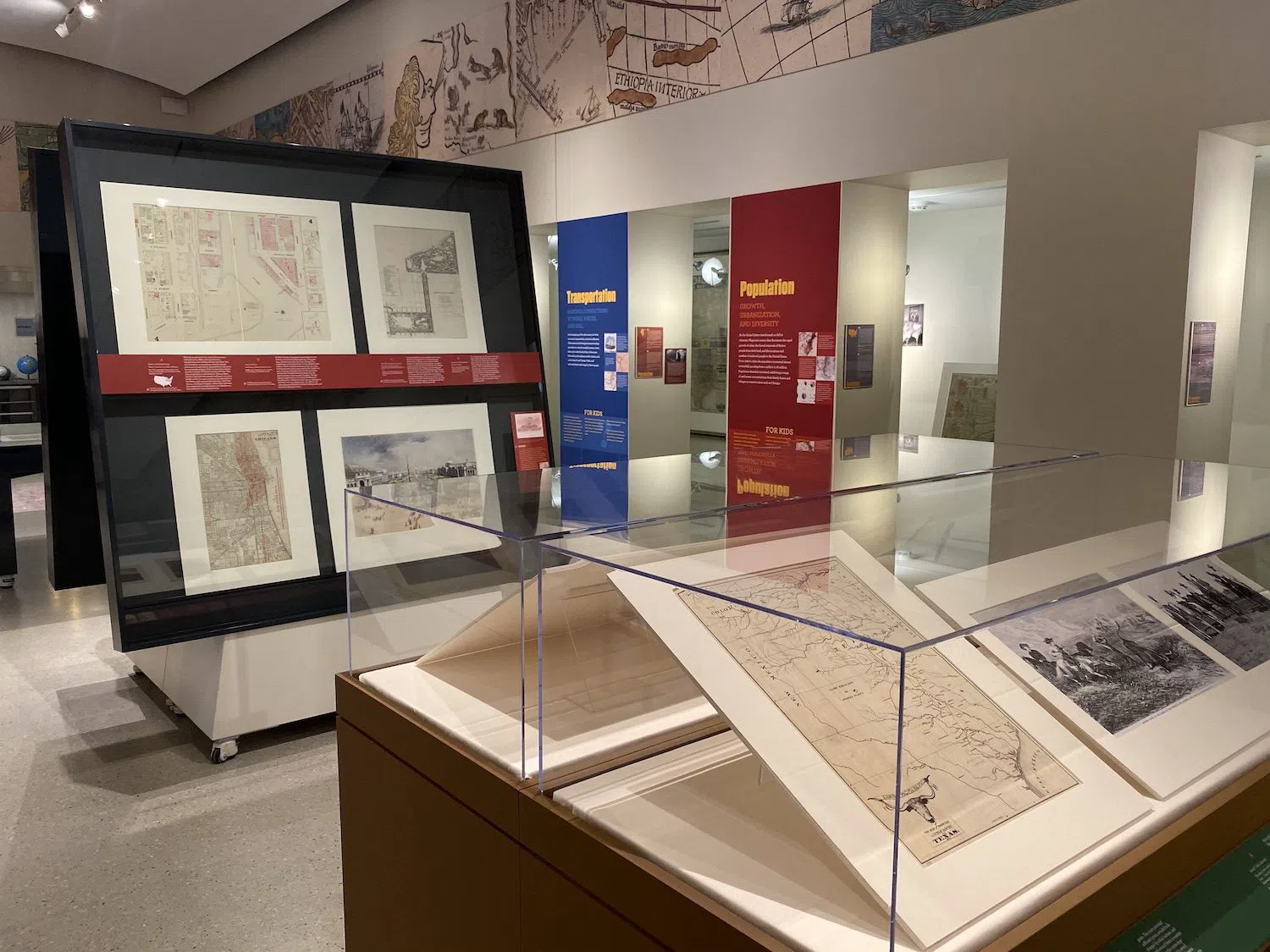
The landfill claim sounds like a guide's flourish until someone shows you the paper. At the Norman B. Leventhal Map & Education Center at the Boston Public Library (Copley Square, Back Bay) you can put a 1770s harbour chart beside the modern street grid and watch visitors work it out for themselves: the wharf line runs straight through what are now office blocks. It is free, needs no reservation, and opens Tuesday 11am to 5pm, Wednesday 1 to 7pm, Thursday to Saturday 11am to 5pm and Sunday 1 to 5pm, closed Mondays. Free 30-minute gallery tours run regularly; private group tours go through a form on the site. For a walk built on a geographical argument, it is the most useful room in the city.
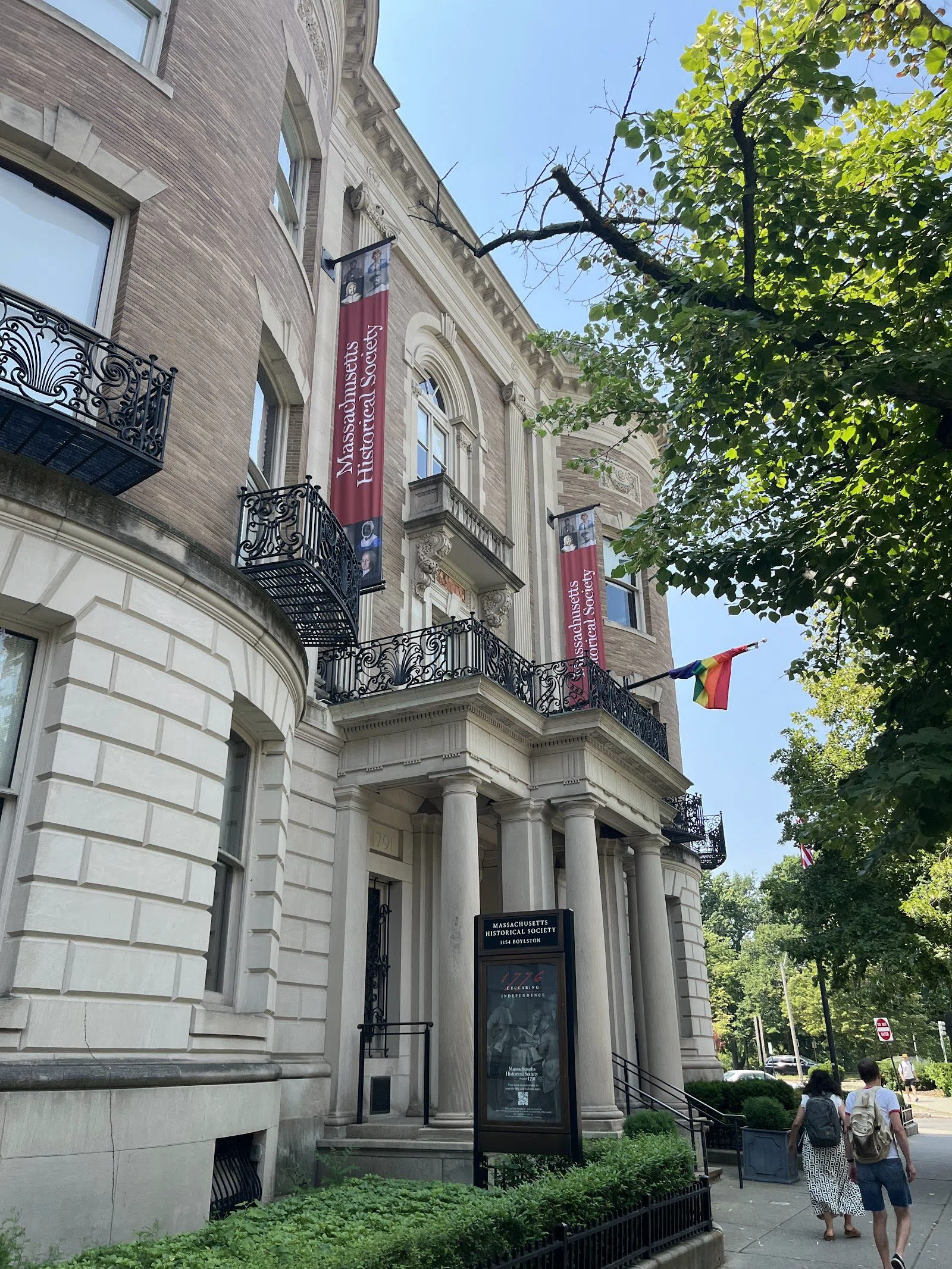
A short ride away, the Massachusetts Historical Society (Back Bay, on Boylston Street) holds the object that tends to silence a group: a vial of tea leaves picked off the Dorchester Neck shore on the morning of 17 December 1773, washed up from the previous night. Nobody reconstructed it, nobody costumed it. Admission is free, with opening hours of 9.30am to 4.45pm Monday and Wednesday to Friday, until 7.45pm on Tuesday and 10am to 3pm on Saturday. Building tours and group visits are by arrangement, and because the galleries rotate, check the current exhibition schedule before you send anyone across town for one item.
Getting on the water, and under a real rig
The Boston Harborwalk (Fort Point Channel stretch, between the Seaport and downtown) ties the whole thing together. It is a free public right of way, open at all hours and workable for any group size, and the Fort Point section is wide, mostly flat and short on road crossings. Nearly 40 miles of a planned 47 are complete; you need one of them. Walking it is what makes the geography argument physical, because every surface underfoot between the bridge and the marker is made ground.
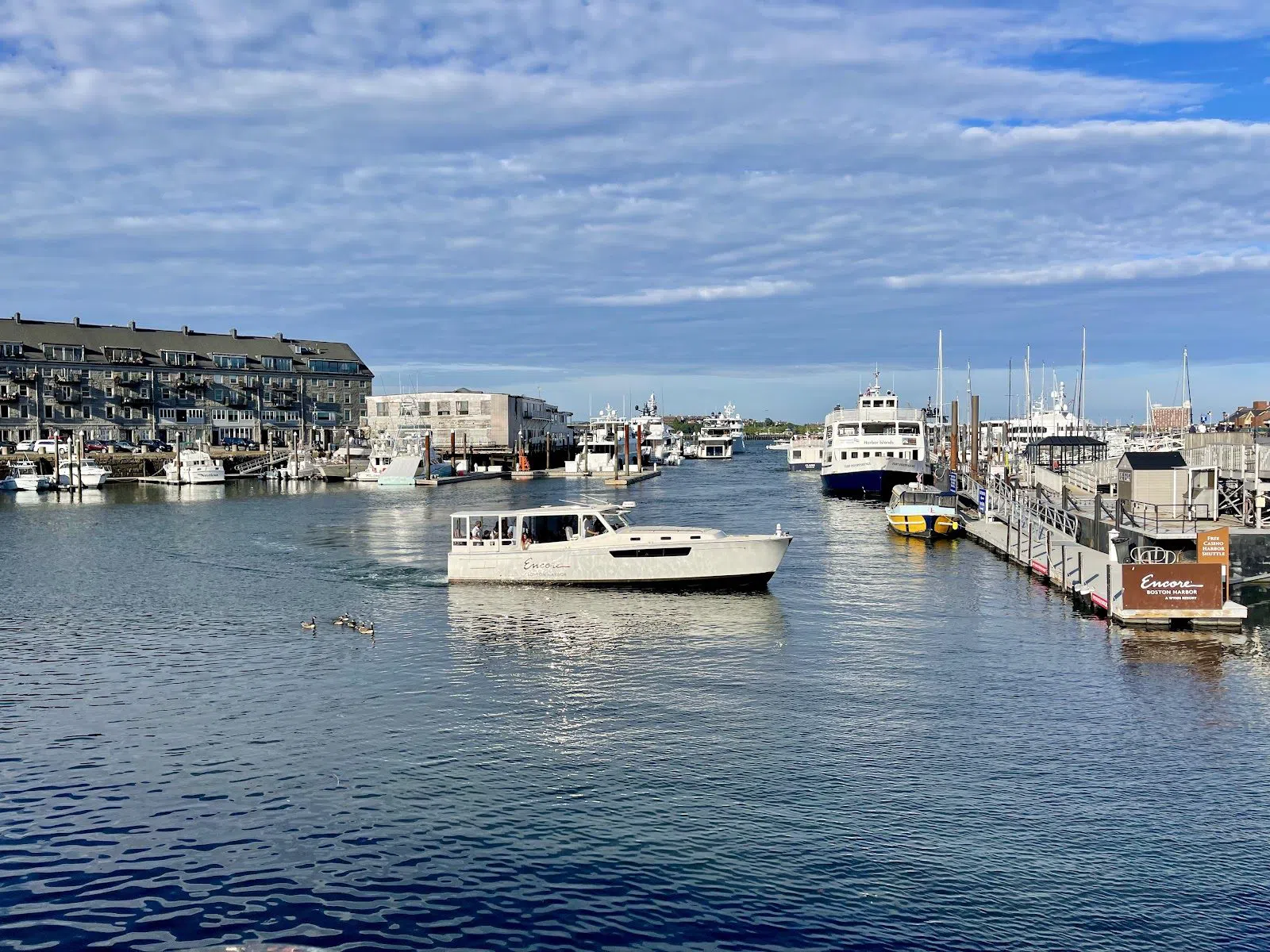
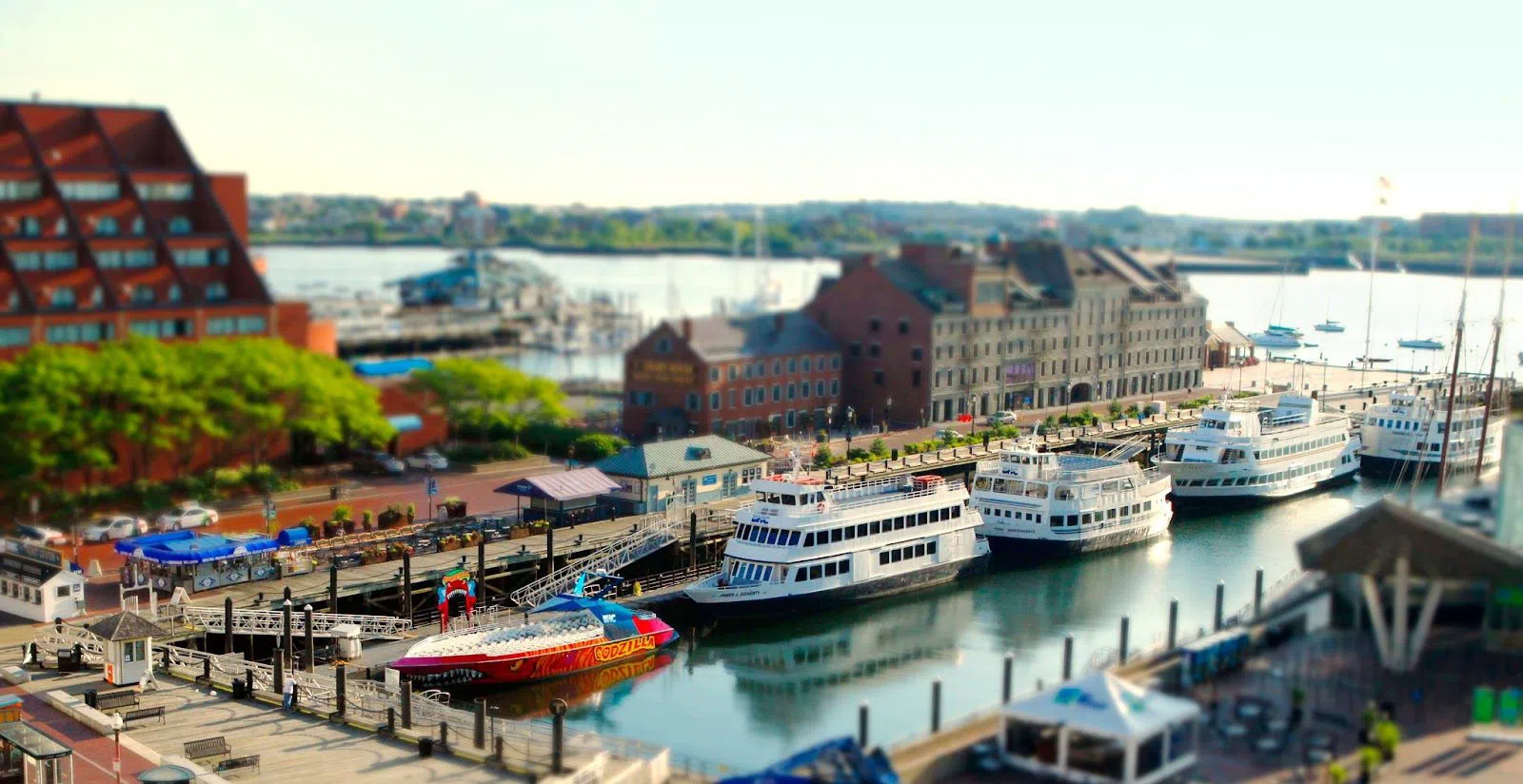
To see the city the way the crews of the tea ships saw it, Boston Harbor City Cruises (departing 1 Long Wharf, downtown waterfront) runs a 90-minute narrated historic harbour trip at roughly $35 to $45 an adult, with charters and group rates available and heavy demand in summer. Ignore the sunset, whale-watch and thrill-boat variants; only the narrated historic run earns a place on this itinerary.
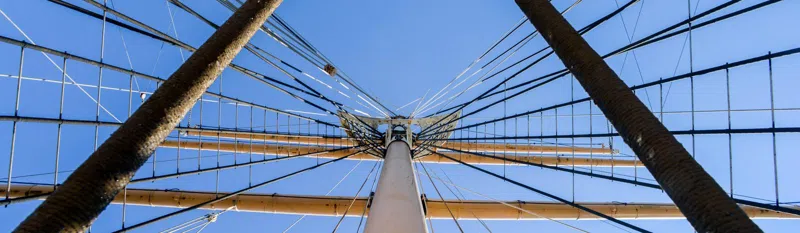
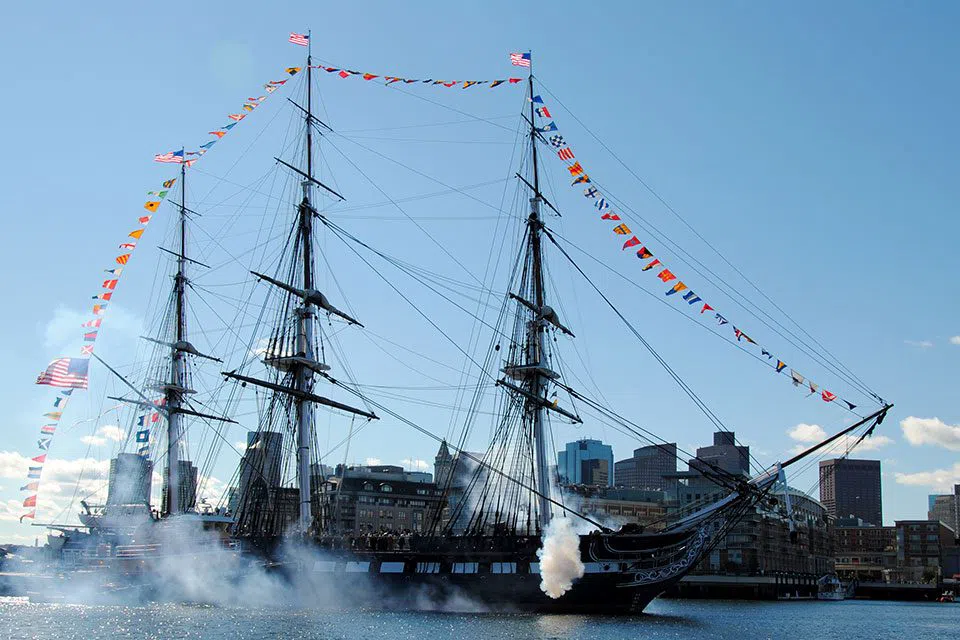
Finish the water half in Charlestown at USS Constitution and the USS Constitution Museum (Charlestown Navy Yard). The museum opens daily 9am to 6pm on a suggested donation of $15 standard, $25 pay-it-forward or free to $10 reduced, and takes group visits by arrangement. The ship is free and first-come, Tuesday to Sunday 10am to 6pm. She is a commissioned warship with an active-duty crew rather than an exhibit, so there is a security screen at the gate and no group fast-track; budget twenty minutes you did not plan for. The reason to come is scale: the three vessels raided in 1773 were smaller merchant brigs, but standing under a fully rigged hull stops them being cartoon props in a diorama.
The men behind the prints
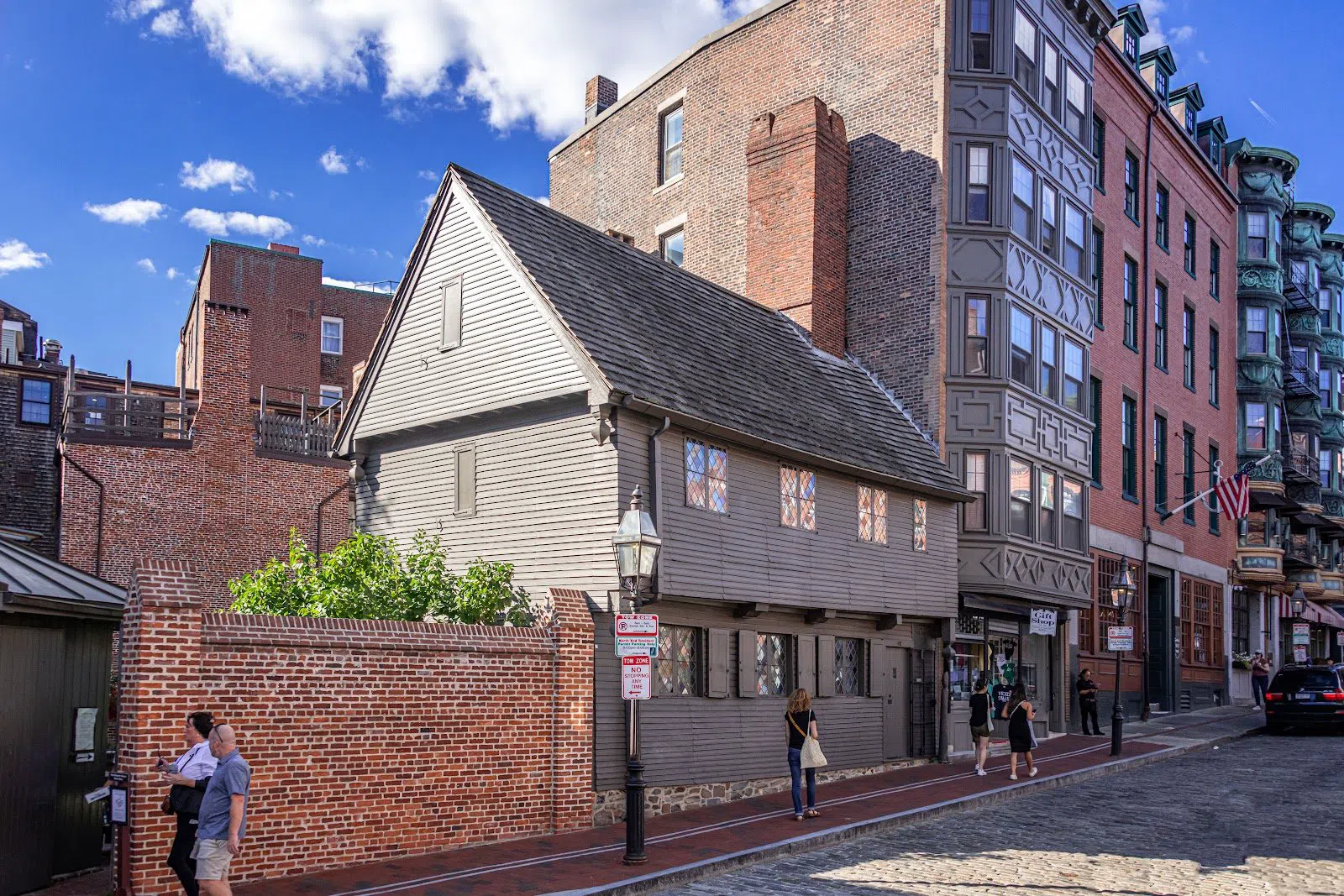
Paul Revere House (North End) costs about $6 to $8 and opens daily 10am to 5.15pm, closing at 4.15pm in winter and shut on Mondays from January to March; groups go through 617-523-2338 and get staggered, because the rooms are small enough that ten people fill one. Ten minutes does it. The reason it matters here is not the ride everyone knows. Revere was at Griffin's Wharf that night, and afterwards rode the news south to the other colonies: the working courier rather than the folk hero, and the part of his life the lantern legend buries.
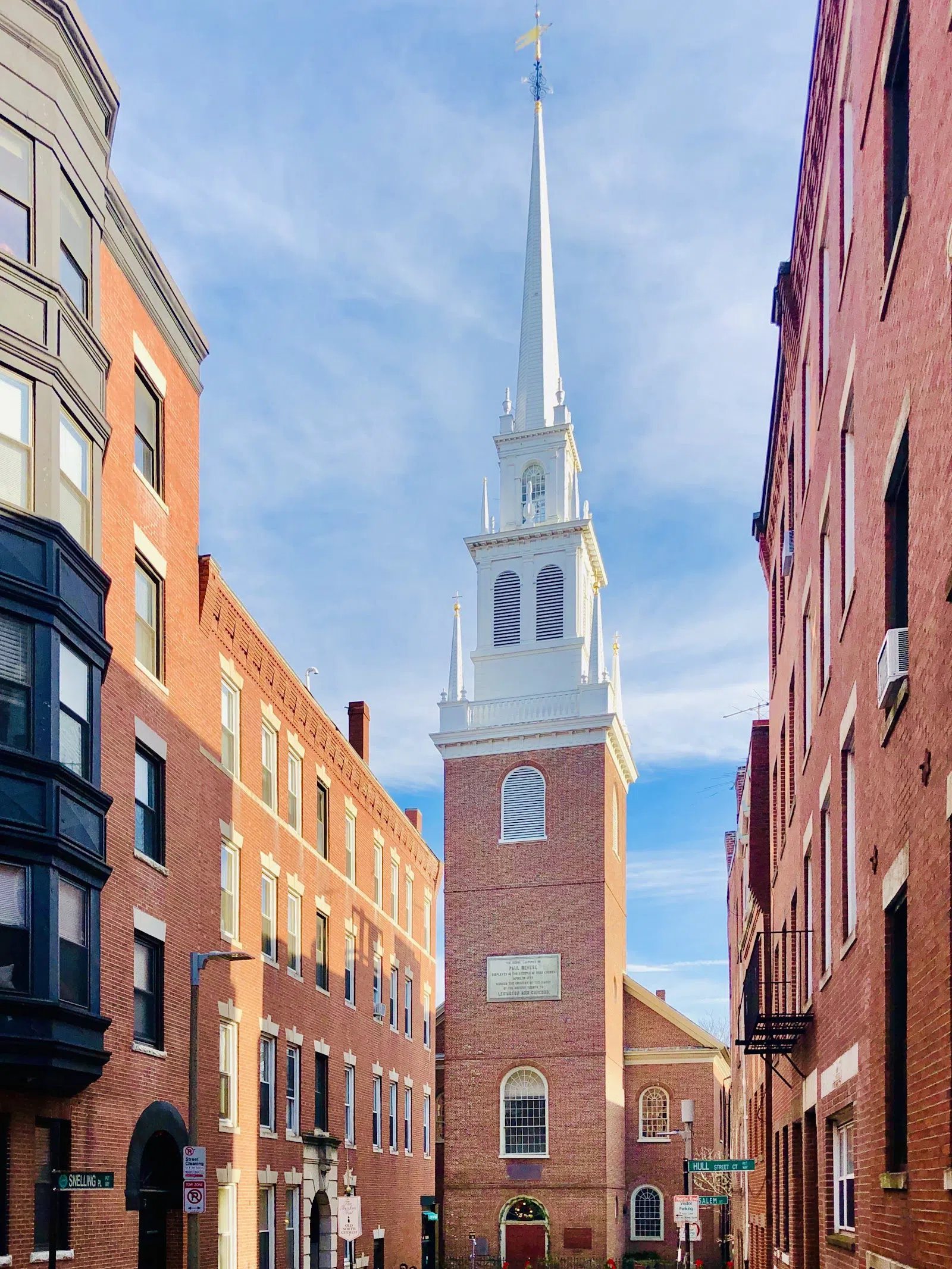
Old North Church & Historic Site (North End, five minutes uphill) is the other great myth factory, and the staff are refreshingly unsentimental about it. Nobody shouted 'one if by land'; Revere did not hang the lanterns himself; he never finished the ride. Self-guided entry is $10, $15 with the 25-minute bell-chamber tour, which is the version worth paying for, and private VIP tours start from $300. Open Monday to Saturday 10am to 5pm and Sunday 12.30 to 5pm, with groups of fifteen or more handled through [email protected].
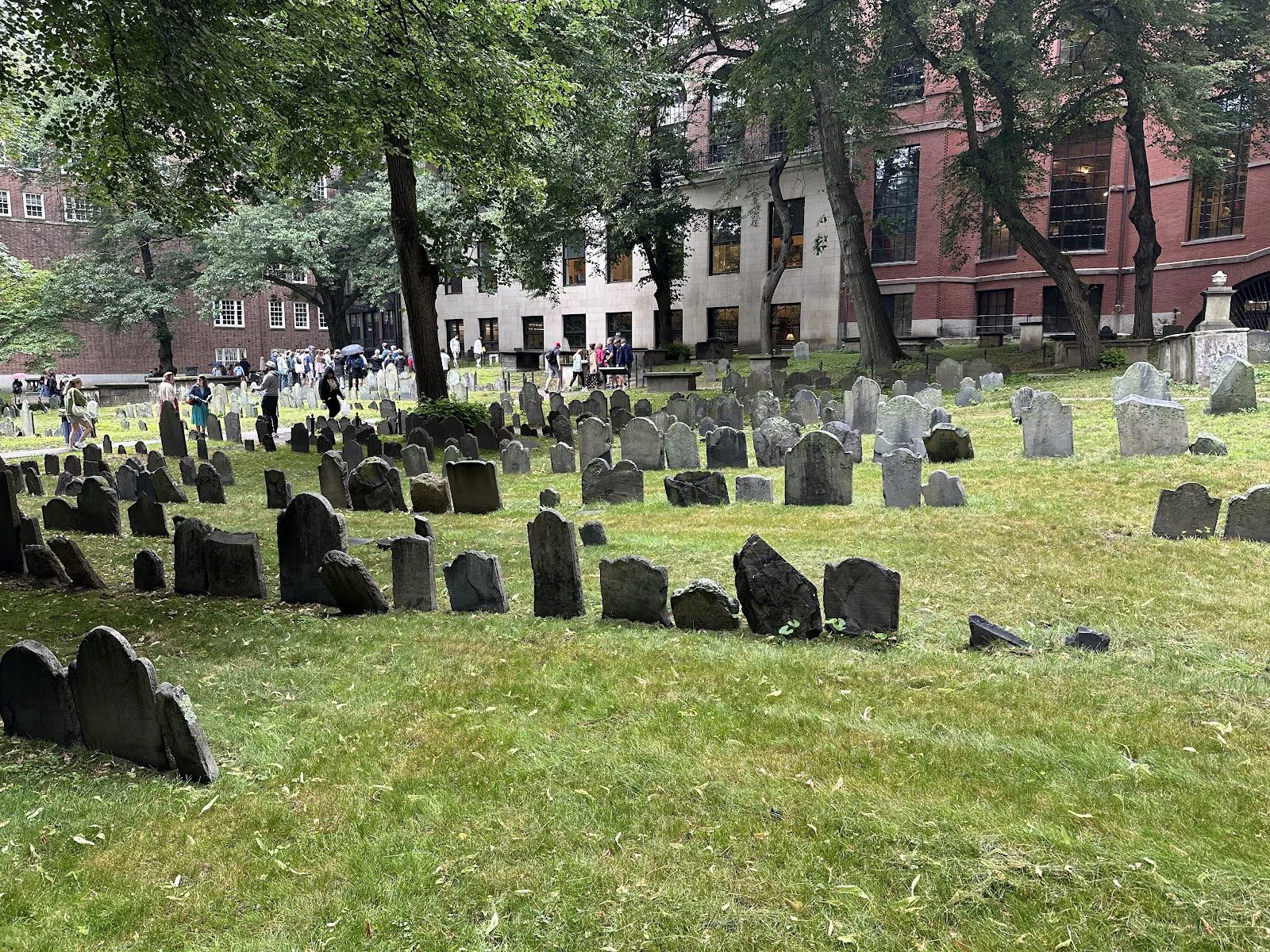
Land the point at Granary Burying Ground (Tremont Street, downtown), free and open daily 9am to 5pm with no booking. Samuel Adams, John Hancock and Paul Revere are all buried within a few paces of each other, and so is the distance between the legend and the record: Adams organised the meeting at Old South and almost certainly never touched a tea chest, despite two centuries of prints showing him leading the boarding party. Paths are narrow gravel and it congests badly by mid-morning, so take a group early or not at all.
One invented tavern and one real one
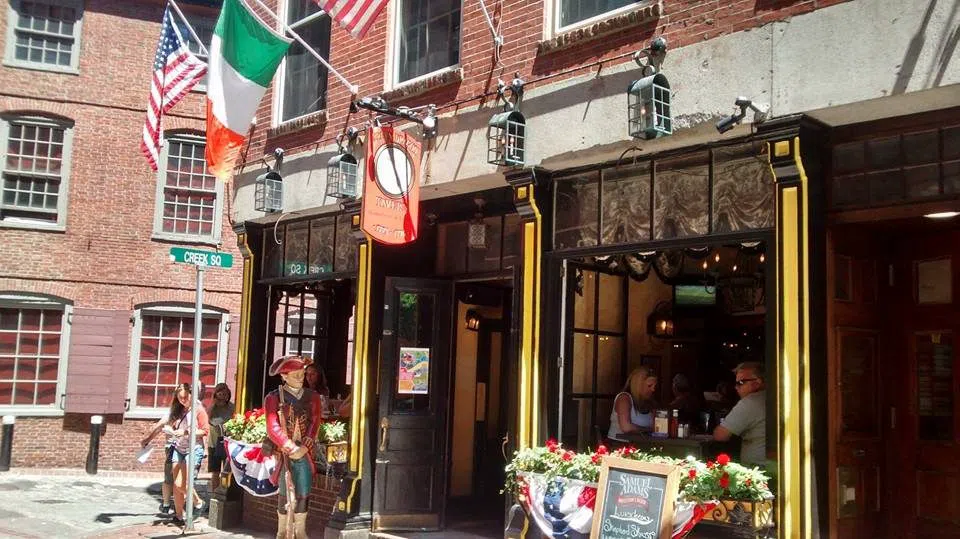
Green Dragon Tavern (Blackstone Block, a minute from Faneuil Hall) is worth a stop as a case study rather than a pilgrimage. It is walk-in friendly, open daily 11am to 2am, does pub food at $18 to $28 and pints around $9, and takes large parties, though weekend nights are loud and packed enough that you should call ahead. The chowder is fine. The sign is the problem: the real Green Dragon, where the Sons of Liberty met, was demolished in 1832 and stood on Union Street, not in this alley, and the 1654 painted outside refers to nothing about this building. Let a group work that out and you have taught them more about heritage marketing than a lecture would.
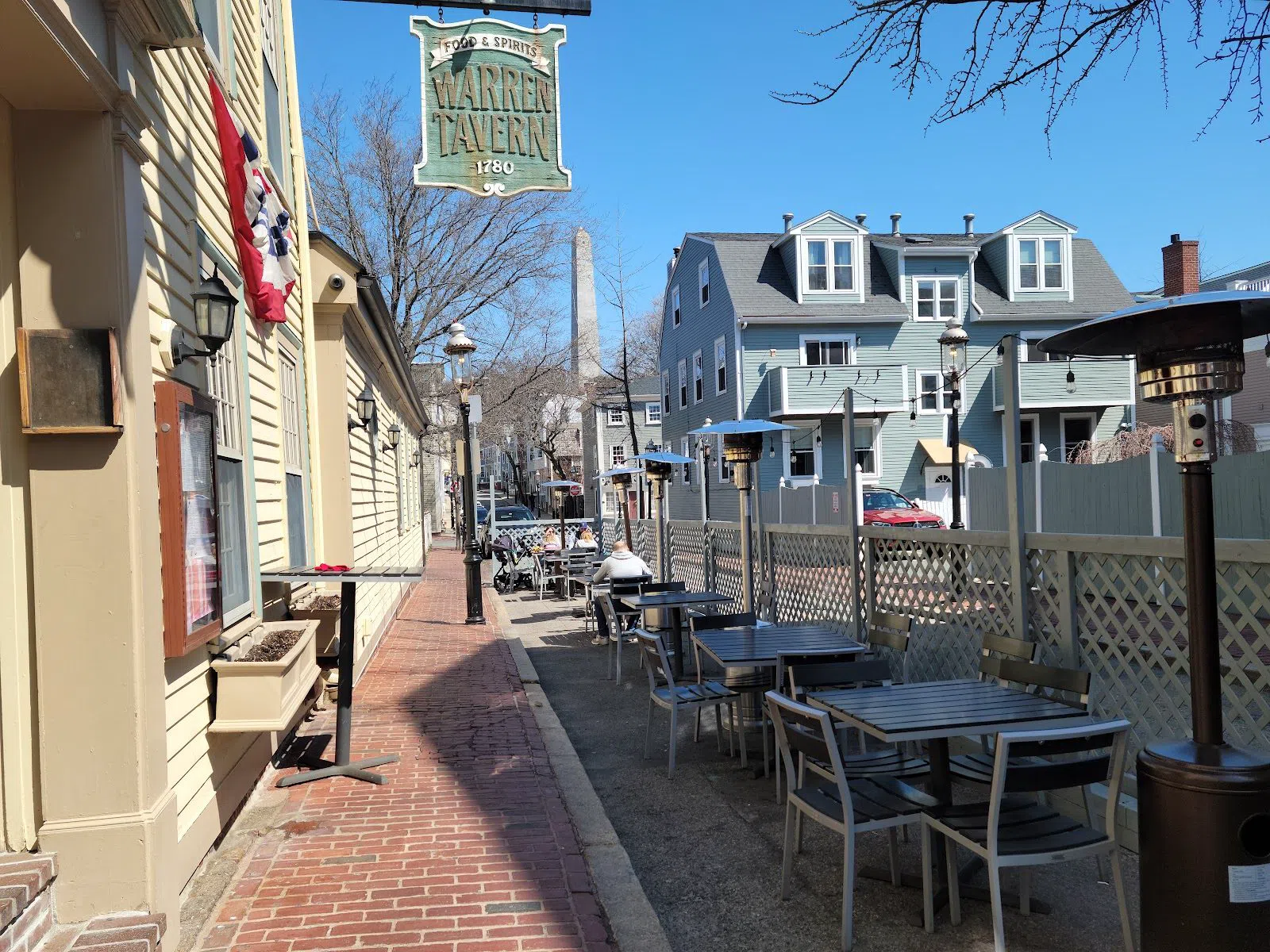
End instead at Warren Tavern (Charlestown, ten minutes' walk from the Navy Yard). Built in 1780, it was the first thing raised after the British burned Charlestown, and it is the oldest tavern in Massachusetts still pouring. Mains run roughly $20 to $32. The rooms are small and historic, so call ahead for parties over eight and expect a wait at weekends. After a day spent pulling apart invented continuity, a building that has simply been open the whole time is the right note to finish on.
Planning the walk
The core loop is walkable end to end (museum, marker, Old South, Old State House, Faneuil Hall, Granary), with nothing more than fifteen minutes apart. South Station on the Red and Silver lines puts you two minutes from the Congress Street Bridge. Back Bay for the map centre and the Historical Society is a short subway hop or a ten-minute ride. Charlestown is best reached by the ferry from Long Wharf, which doubles as a free look at the harbour geography you have been arguing about all day. See the Boston guide for the wider city context.
Cards work everywhere, including the free sites' donation boxes. Tavern bills run at about 20% tip; the tour operators do not build gratuities in, and guides on the non-profit walks are not paid on commission.
Two days is comfortable, one day is doable if you start at 9am and drop either the harbour cruise or the Navy Yard. Book the ships museum slot and any private walking tour first, since both sell out and neither takes same-day groups. December around the anniversary is atmospheric and cold; the harbour cruise is a summer proposition.
A full-fat day (costumed walk, ships museum, combined Revolutionary Spaces ticket, harbour cruise, tavern dinner) lands near $130 to $150 a head. A serious version costs almost nothing: the marker, the Harborwalk, the map centre, the Historical Society, Faneuil Hall, the Granary and the ship itself are all free, which makes this one of the cheaper history days in the city if you are willing to read rather than be entertained. For beds within walking distance of the whole route, start with a Boston hotel search around Downtown, Fort Point or the North End.
Before you go
Where was Griffin's Wharf, and can you visit it?
Not really. The water it stood in was filled in during the 1800s, and the site is now inland, under the Financial District. A free commemorative marker sits at Congress and Purchase Streets, though the exact location is disputed: other researchers put the wharf nearer Atlantic Avenue and Pearl Street. The Boston Tea Party Ships & Museum is on the Congress Street Bridge, about a quarter-mile from either candidate.
Is the Boston Tea Party Ships & Museum worth $35–39?
Yes, if you want one paid stop. The reenactors are strong rather than kitsch, and the Robinson Half Chest is the only known surviving chest from the night. Entry is $35 to $39 adult, $26 for children aged 3 to 12 and free under 3, on timed slots, so groups must pre-book through [email protected].
Can I do this walk without paying for anything?
Most of it, yes. The Griffin's Wharf marker, the Fort Point stretch of the Harborwalk, the Leventhal Map Center, the Massachusetts Historical Society, Faneuil Hall, Granary Burying Ground and the USS Constitution herself are all free. You lose the ships museum and the Revolutionary Spaces rooms, so you get the argument without the reconstruction.
Which stop actually proves the shoreline moved?
The Norman B. Leventhal Map & Education Center at the Boston Public Library. Put a 1770s harbour chart beside the current street grid and you can see the old wharf line running through today's office blocks. It is free, needs no booking, and closes on Mondays.
Does this route work for a school or tour group?
With planning. The ships museum, Old South, Old State House and Old North all take groups but split or stagger larger parties; Boston By Foot needs one to two weeks' notice and will not take same-day bookings; the Griffin's Wharf marker is a narrow, busy corner; and the USS Constitution has a Navy security screen that groups cannot skip. Go early at Granary Burying Ground, where the gravel paths congest.