The Boston issue
Out of Boston by Train and Ferry Without a Car
Fourteen day trips from Boston that need nothing but a rail ticket or a boat fare, with the 2026 fares, seasons and booking traps that decide whether the day works.

By Harriet FenwickReading Boston neighbourhood by neighbourhood
Two terminals and one wharf, all within a mile of one another, hold everything on this list. From North Station the commuter rail runs up a coast of granite and salt marsh. From South Station it goes south and west, into mill towns and another state's capital. From Long Wharf the boats leave for the harbour islands and the open Atlantic beyond them. None of it needs a car, and most of it costs less than an afternoon spent in town.
These lines were laid to carry mill hands, clerks and summer boarders, and the direction of travel has simply reversed: you are riding a nineteenth-century commuting network backwards. What follows is ordered the way you would actually plan a day, with the towns at the end of the North Shore line first, then the beaches, then the boats, then the longer hauls. If you are still working out where to base yourself for easy reach of both terminals, the Boston guide covers the ground in town.
Salem, Rockport and the far end of the North Shore line
Salem (historic harbour town, thirty minutes north) is the one to take first, because there are two ways in and neither requires much planning. The MBTA's Newburyport/Rockport line leaves North Station and sets you down a five-minute walk from the Peabody Essex Museum for about $8.75 each way; if you are travelling at a weekend, the $10 all-weekend Commuter Rail pass makes the return leg academic. From mid-May to Halloween the Boston Harbor City Cruises fast ferry runs Long Wharf to Blaney Street in around fifty minutes, from roughly $36 return, and sells walk-up seats outside October. Two things otherwise catch people out: the museum closes on Tuesdays and Wednesdays, and the Friendship is only open to board Wednesday to Sunday, 1:30 to 4:30pm. House of the Seven Gables is $26 for an adult and, like the museum, takes pre-booked group visits, worth arranging if there are more than a handful of you, because October turns the whole town into one long queue and the ferry into a scramble.
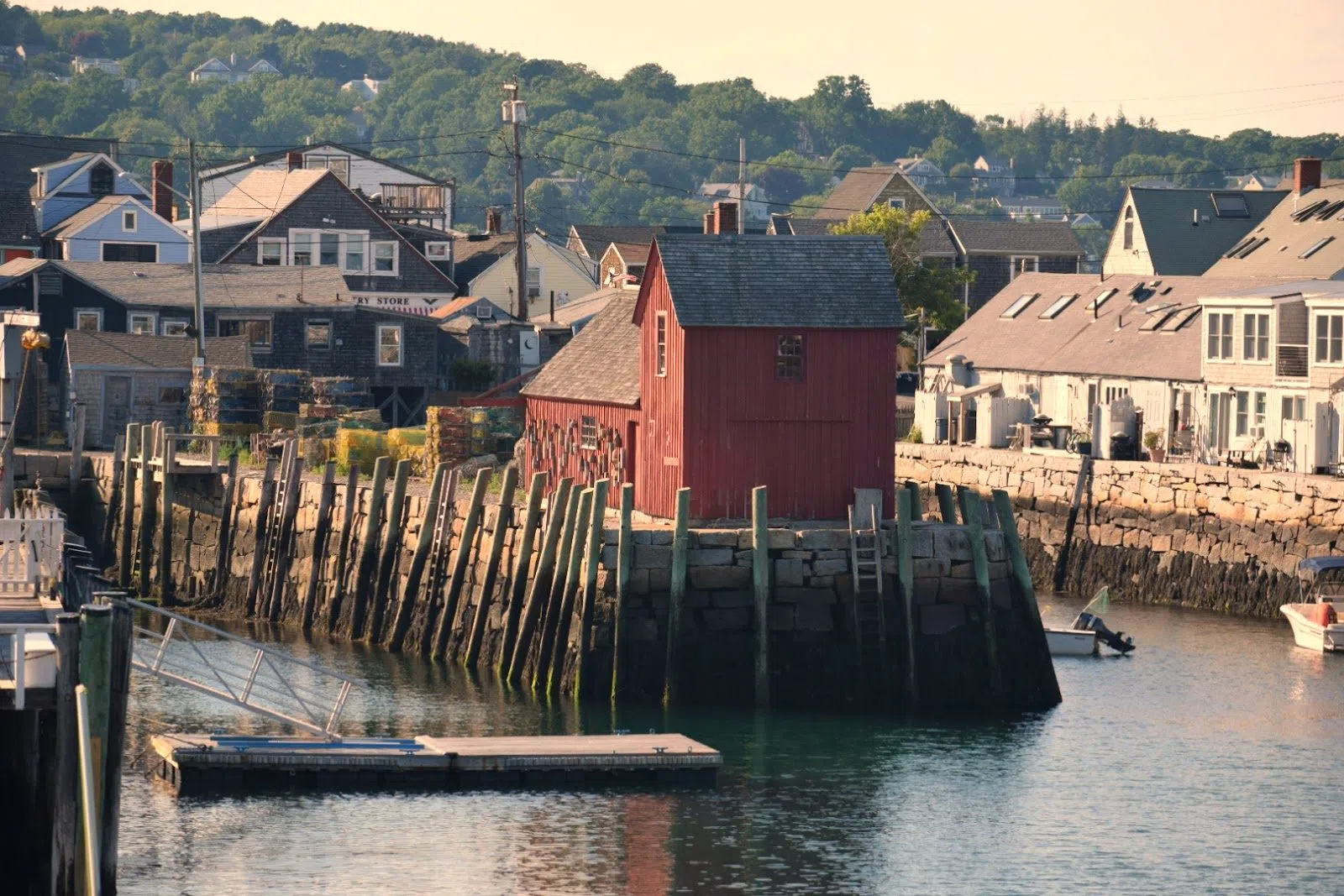
Rockport (granite fishing village, the terminus of its own branch) is about an hour from North Station at $12.25 each way, and the station sits half a mile from the harbour. From 16 May 2026, CATA's Rockport Shuttle runs every twenty minutes, takes walk-ons and costs a couple of dollars, linking the station to Front and Back Beaches, Bearskin Neck and Halibut Point. That shuttle is the difference between a day out and a long walk. Front Beach is free. The village is compact enough that a group will not mislay anyone, but be realistic about Bearskin Neck: the lanes are narrow and the seafood shacks are small, so a party of ten eats in relays or stands on the pier with a tray.
Newburyport (Federal-era river port, terminus of the other branch) costs around $13 each way and takes roughly an hour. The station sits out of town, which matters less than it sounds: MeVa routes 19 and 20 run downtown for free and take walk-ons, and the Clipper City Rail Trail walks you in under your own steam. Route 20 carries on to Salisbury Beach. Plum Island and the Parker River refuge are the real caveat, with no reliable bus, so hire a bike at the Tannery or take a cab, and settle the return before you set off. Downtown has enough restaurant capacity to absorb a large table without a reservation crisis, which is more than most of this coast can claim.
Plan your Boston trip
Live prices from our booking partners.
Free cancellation on many rooms. We may earn a commission when you book.
Four ways to reach the sand without a parking fight
Singing Beach (Manchester-by-the-Sea, five minutes from the platform) makes the plainest argument for the train on the whole North Shore. Non-residents cannot park here at weekends at all, and a mid-week space costs $35; the station, meanwhile, is a five-minute walk from the sand and the train is about $11 each way. Arriving by rail sidesteps the problem entirely. Walk-on access still needs a tag bought at the gate, so budget a minute per head at the kiosk. With a large party that queue is your only real delay, and a very large party will feel conspicuous on a beach this size.
Crane Beach (Ipswich, barrier beach and dunes) is the more ambitious version, and the more administrative one. The train is $12.25 each way, and Cape Ann Transit's Ipswich-Essex Explorer runs from Ipswich station to the beach gate on summer weekends and holidays for $5 return, free on some 2026 dates, which makes this a genuine no-car beach day rather than a heroic walk. Admission is by timed pass, sold per visit and released in weekly batches on Mondays and Thursdays at noon, so a group has to book together and book early; the beach turns people away at capacity and does not negotiate. Late July brings greenhead flies, which bite hard, and the fenced piping plover areas are off-limits. The Trustees run guided group visits on a separate footing if you want structure rather than a towel.
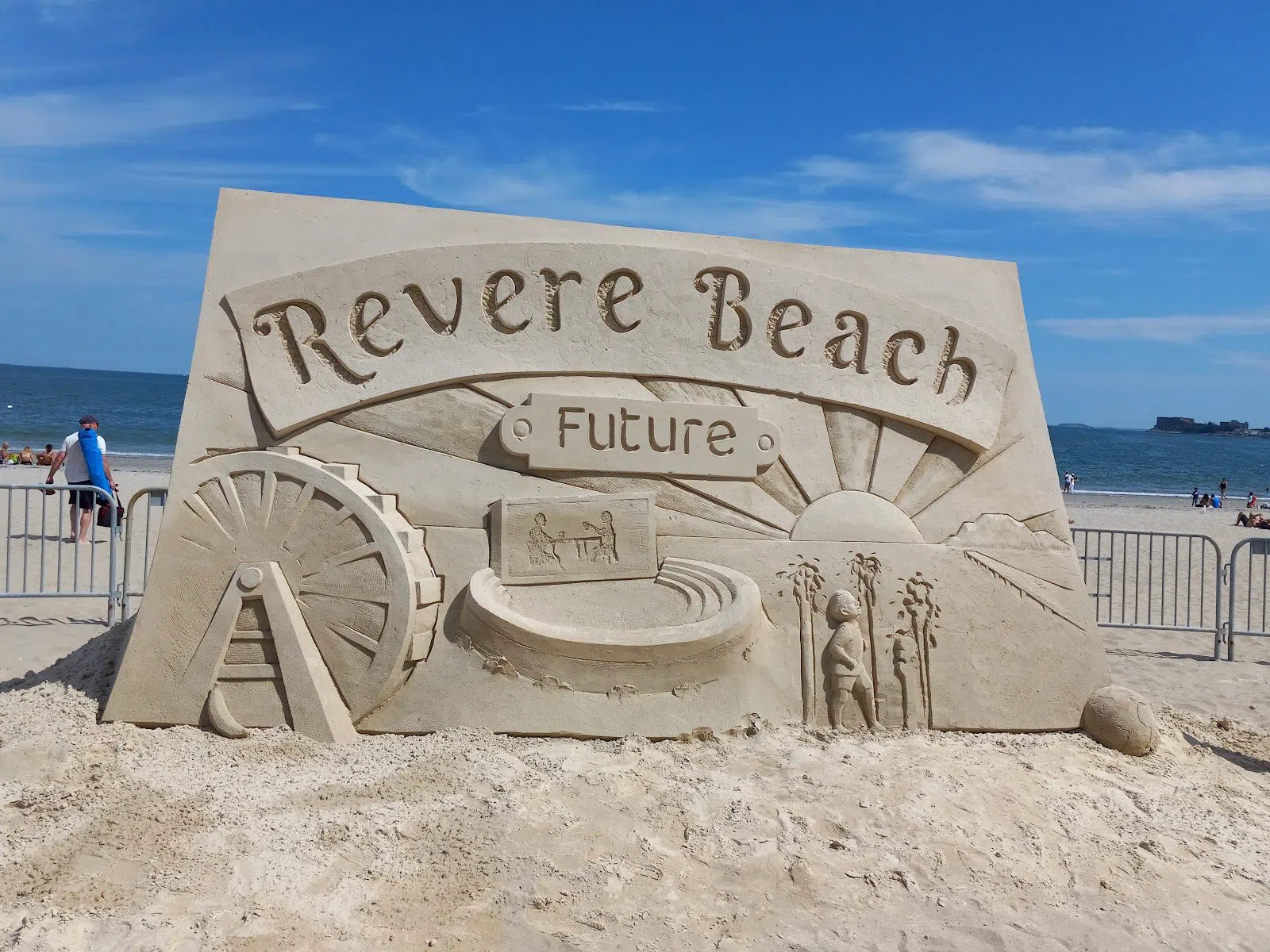
Revere Beach (Blue Line, twenty minutes from downtown) is the opposite proposition: $2.40 each way, no gate, no ticket, no cap. It was established in 1896 and is the oldest public beach in the United States, which you can read in the bathhouse-era bones of the place. The sand is not the prettiest in Massachusetts and does not pretend to be, but nothing else takes you from the city to the Atlantic this quickly or this cheaply, and it will absorb a group of any size at no notice. The international sand sculpting festival takes the seafront over in July.
Nantasket Beach (Hull, by harbour ferry) gets you there by water for less than the price of a sandwich. The MBTA's Hingham/Hull boat leaves Long Wharf at $9.75 each way, threads past the harbour islands and lands at Pemberton Point; bus 714 covers the last twenty minutes to the beach for $2.40. It runs as a commuter service rather than a tour, which is why it stays the cheapest sea crossing out of the city. The boat has plenty of deck room; the connecting bus is small, so a large group should expect to split across two runs and agree a meeting point on the boardwalk. Beach and boardwalk are free, and the carousel runs Tuesday to Sunday, 11am to 9pm, weather permitting, at a few dollars a ride.
The harbour islands and the crossing that saves three hours
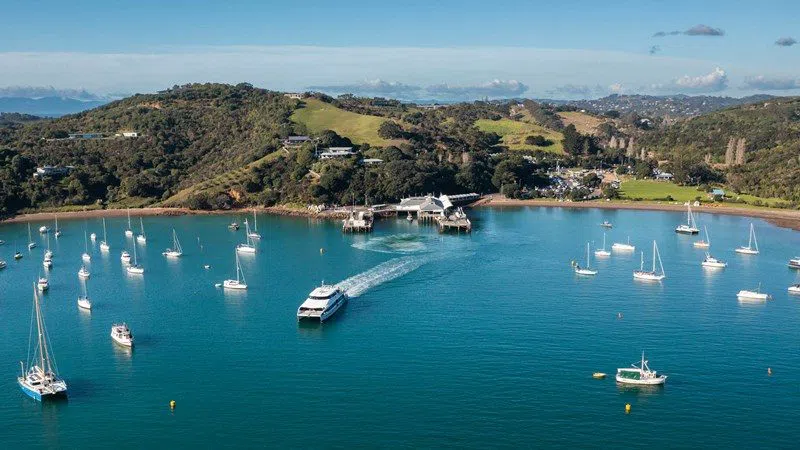
Georges Island and Spectacle Island (harbour islands national park, from Long Wharf North) sit half an hour offshore. Boston Harbor City Cruises runs the park ferries from May to October at around $25 per adult round trip, and park entry itself is free. Georges Island came back into service on 15 May 2026 after a water main repair, and the fort is the reason to go: vaulted, damp and considerably larger inside than it looks from the water. Spectacle runs daily through high summer into late September and has a lifeguarded swimming beach, which decides it if you have children. Sailings are timed and ticketed, so book the whole party onto one boat rather than trusting to luck at the gangway, and check the calendar in the shoulder season, when service drops to Thursday through Sunday. Georges has a pavilion and shade; Spectacle has less of both.
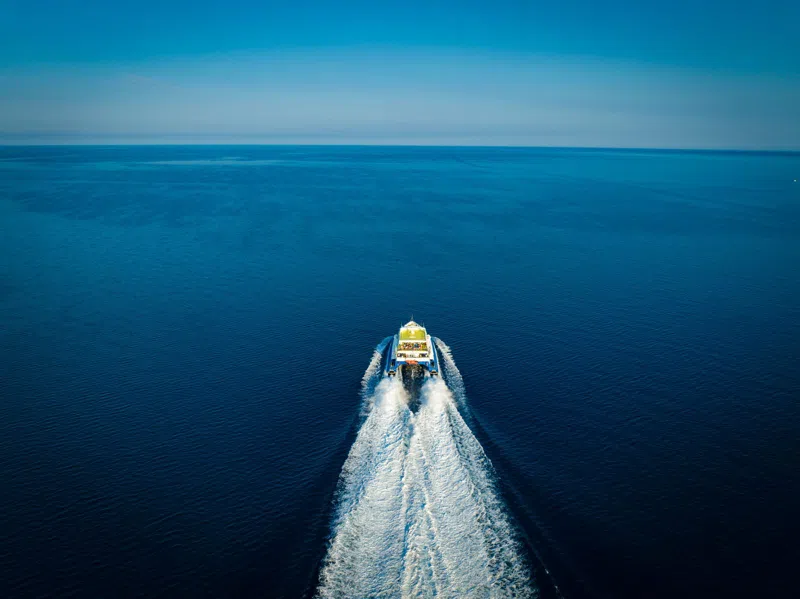
Provincetown (Cape Cod arts and beach town, by fast ferry from the Seaport) is the one crossing that changes what a day trip can be. Bay State Cruise Company has worked this route for over fifty years: 90 to 95 minutes by catamaran from 200 Seaport Boulevard to MacMillan Wharf, daily from 16 May to 18 October 2026 and weekends through 15 November. Reckon on about $128 per adult round trip plus a $5-per-leg fuel surcharge, with bikes at $20. Take one, because it opens up Race Point and the dune trails and turns a stroll along Commercial Street into a proper day. Three hours by road against ninety minutes by sea is the argument for the boat. Tickets are strictly non-refundable and summer weekends sell out, so book the full party early and note the return sailing time somewhere you will actually look at it.
Two towns that explain New England
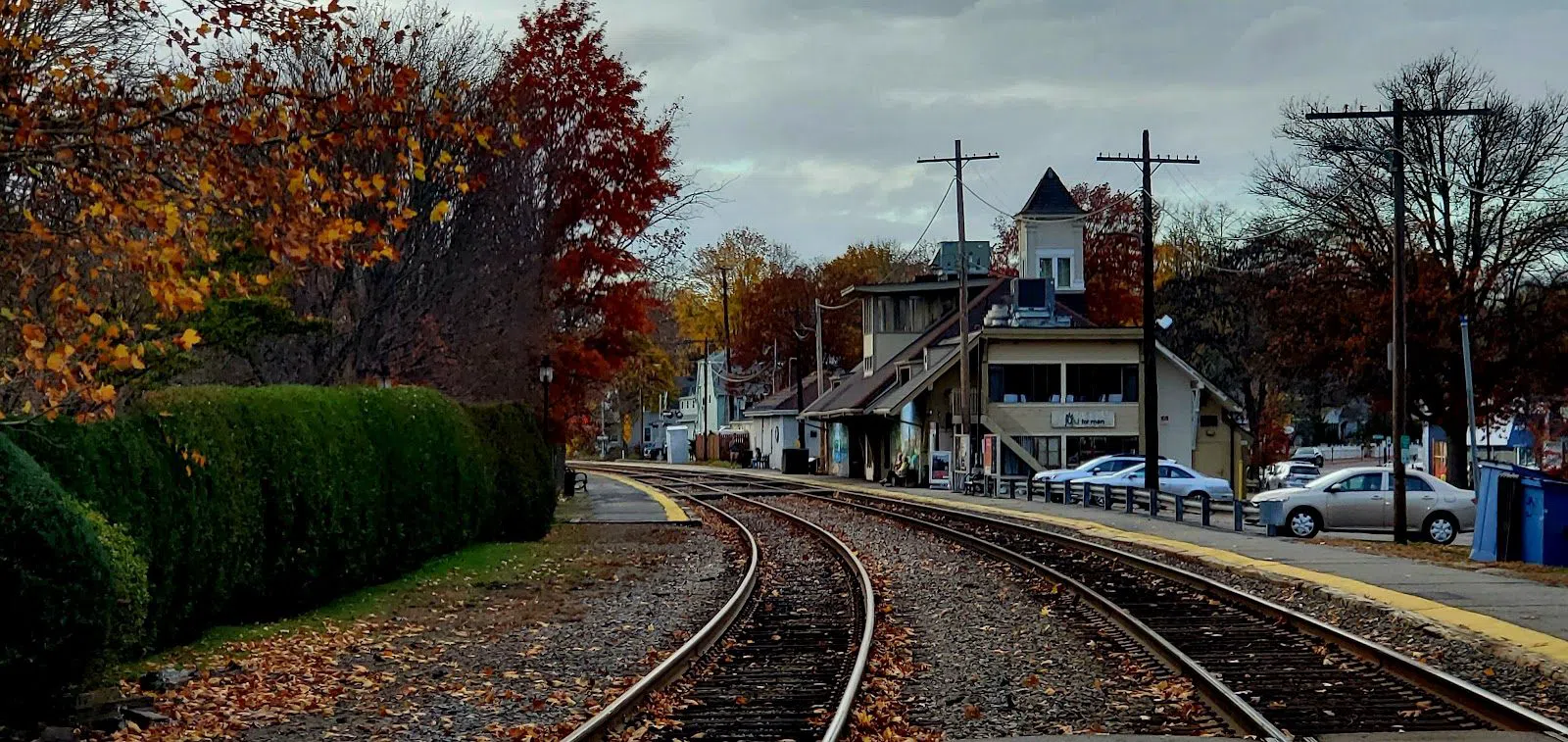
Concord (literary and revolutionary village, Fitchburg line) is forty-five minutes from North Station at about $10 each way, and the walking is the point. From the depot it is roughly a mile and a half to Walden Pond and a similar distance through the village centre to the North Bridge, which makes a comfortable day on foot without a single connecting fare. Walden turns cars away when the lot fills, but pedestrians and cyclists always get in free, so arriving from the station is the one route that cannot be refused, which matters with a group. The Minute Man grounds are open dawn to dusk with no cap and no charge. Two live caveats for 2026: swimming at Walden's Main Beach has been suspended over water quality, so check before you pack a towel, and the Woods Path and Universal Access Trail are closed for accessibility works until 30 September 2026.
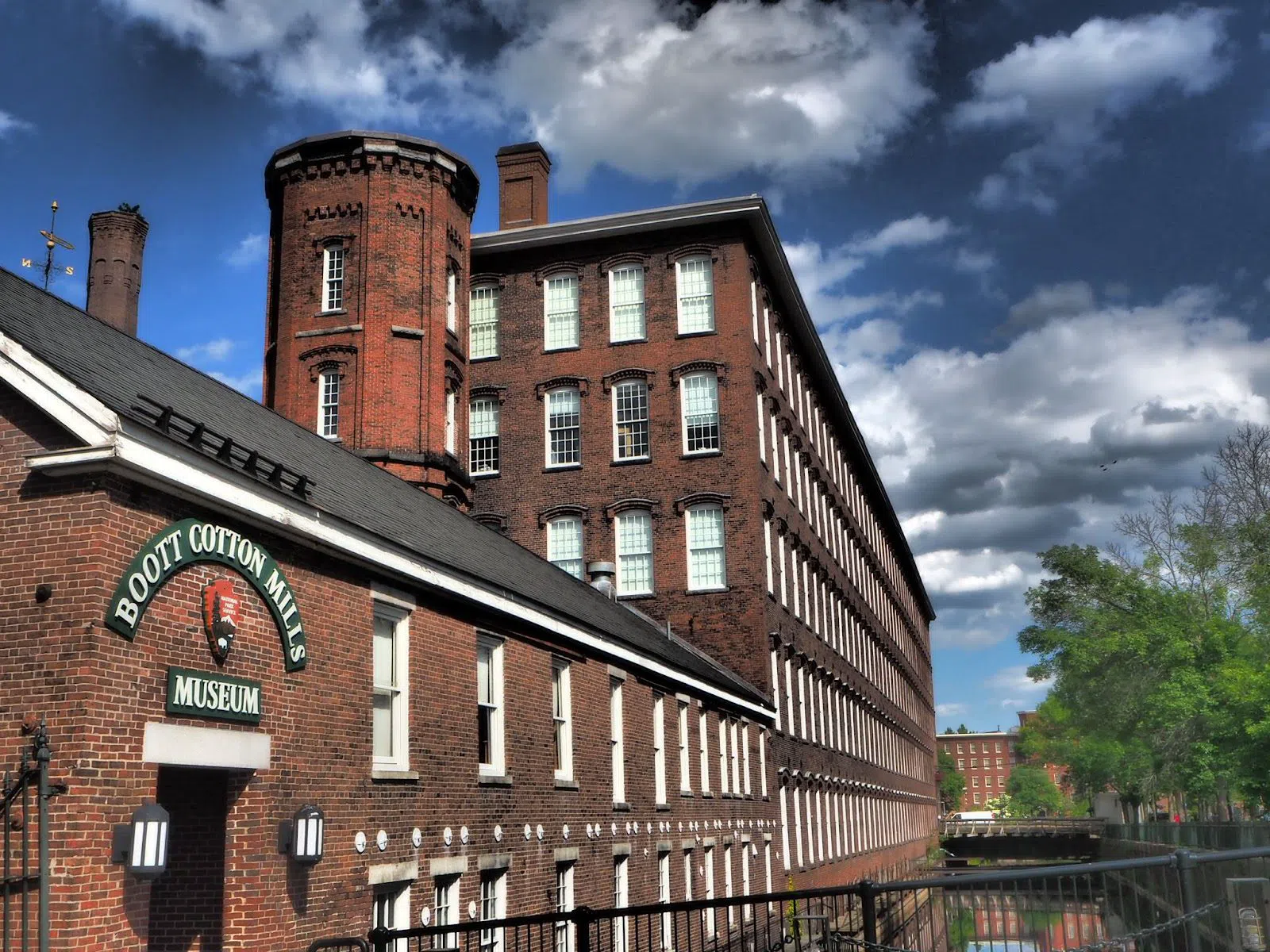
Lowell National Historical Park (industrial heritage, Lowell line) is forty minutes out, about $10 each way, and the park and visitor centre cost nothing. The whole first American factory city is the exhibit, and Boott Cotton Mills puts you inside a working weave room with the looms running, genuinely loud and a better account of the Industrial Revolution than most textbooks manage. Ranger-led canal boat, trolley and walking tours run to a fixed timetable and take booked parties, which makes this the trip to hold in reserve for rain. Pawtucket Canal tours run Thursday to Sunday, riverboat tours Friday to Sunday and the trolley shuttle Thursday to Monday in season; boat tours are ticketed through Recreation.gov and fill, so book them before you travel.
Longer hauls worth a full day
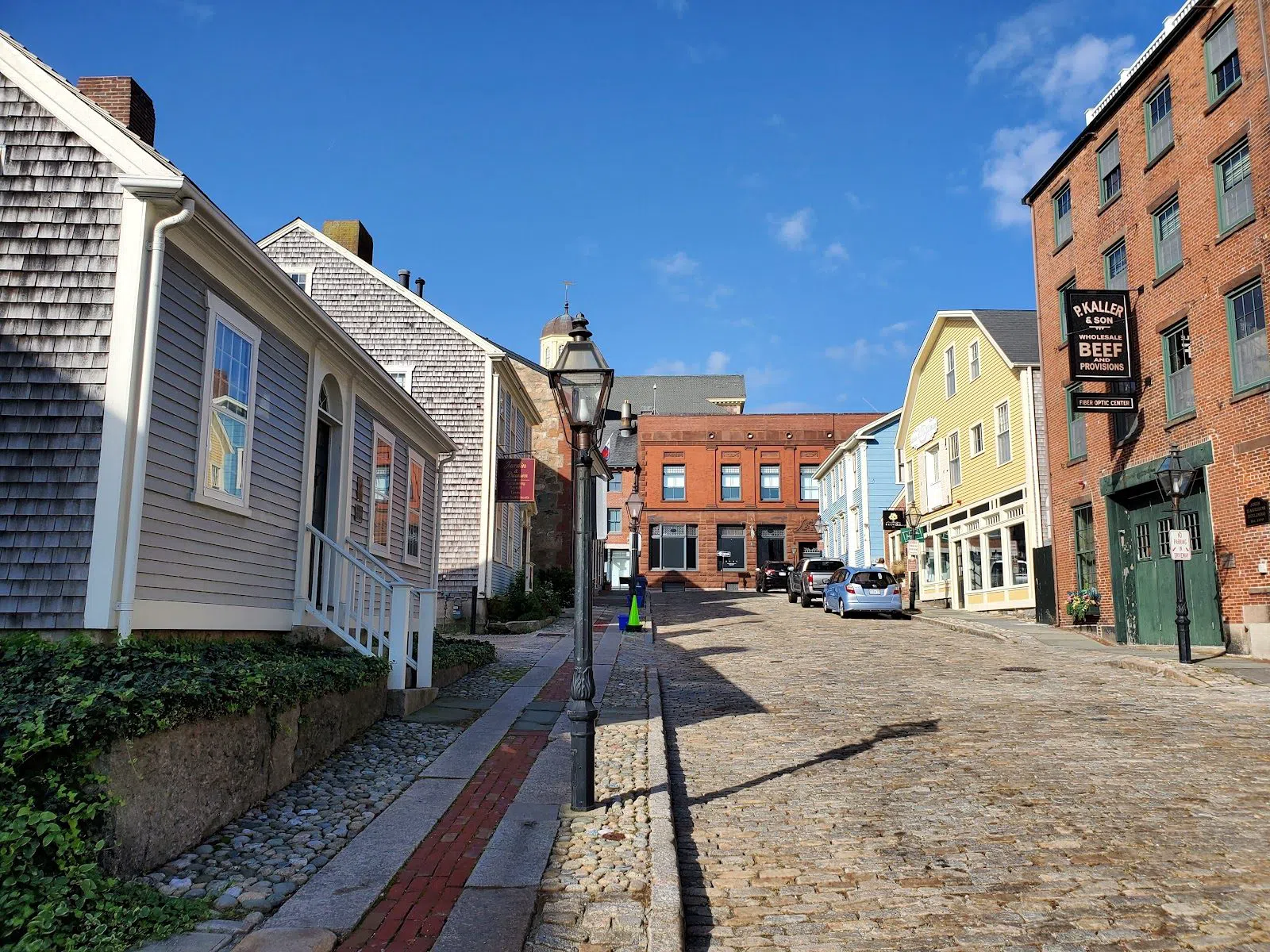
New Bedford (whaling city, South Coast Rail) is the newest run on the network. The city only regained passenger service in March 2025, and Boston visitor numbers to the Whaling Museum rose 43% in the first year. It is $12.25 each way and ninety-odd minutes from South Station, then a twenty-minute walk over the pedestrian bridge and up Purchase Street. The museum opens daily 9am to 5pm at $24 adult, $22 senior and $14 youth; plaza renovations mean you currently enter through the museum store. Parties of ten or more get discounted admission but have to register in advance, and the trains are long-distance commuter stock with seats to spare.
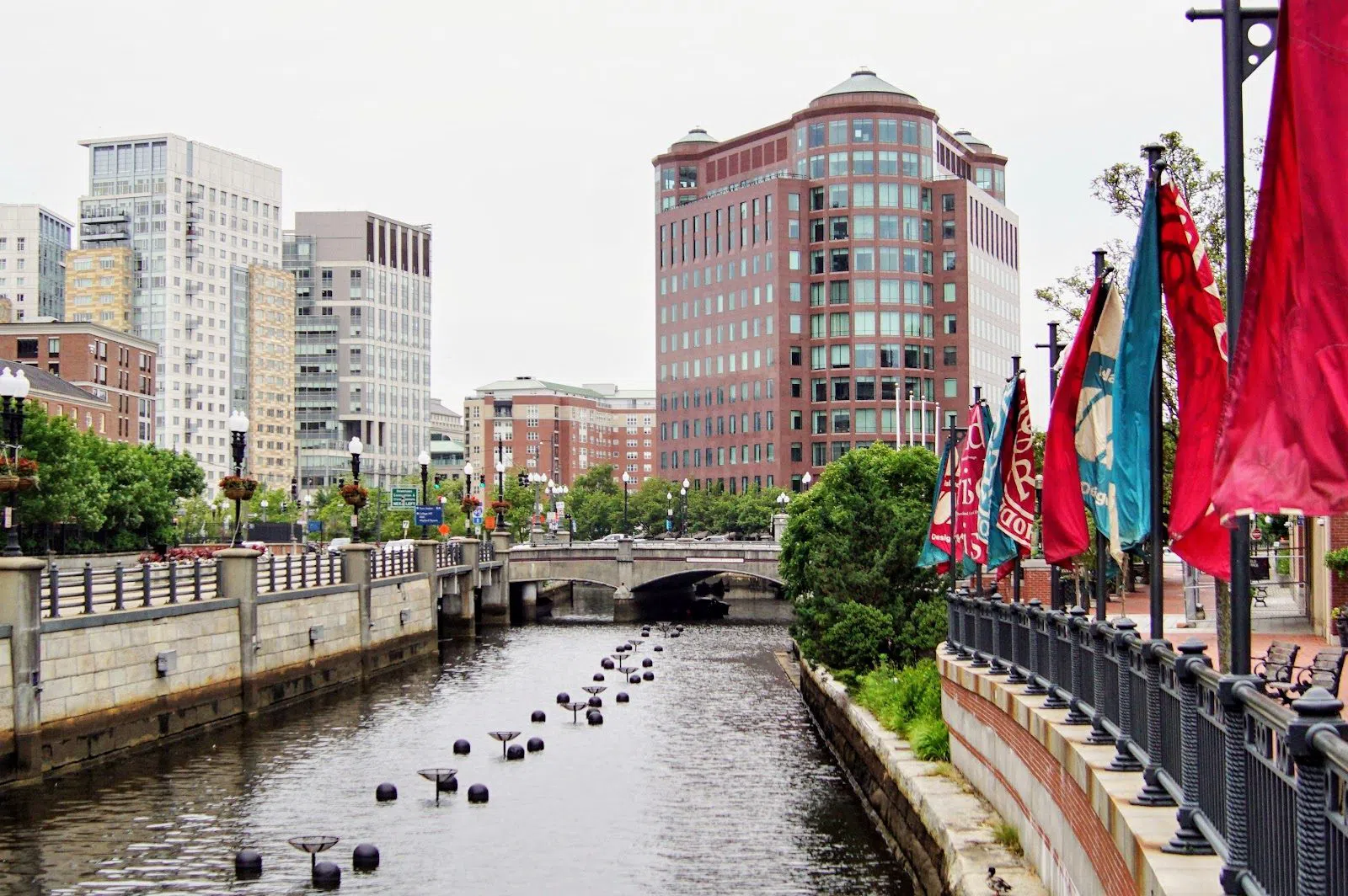
Providence (small capital, Providence/Stoughton line) is under an hour from South Station and an entirely different city, a compact capital of fewer than 180,000 people with the RISD Museum, an intact colonial hill and the Italian restaurants of Federal Hill. Fares run roughly $12 to $13 each way, or the weekend pass covers it. Nothing here needs timed entry, so a group can improvise, which is rare on this list. Try to coincide with a WaterFire lighting, staged on scattered evenings between spring and December, and check the last train back before you commit to a long dinner.
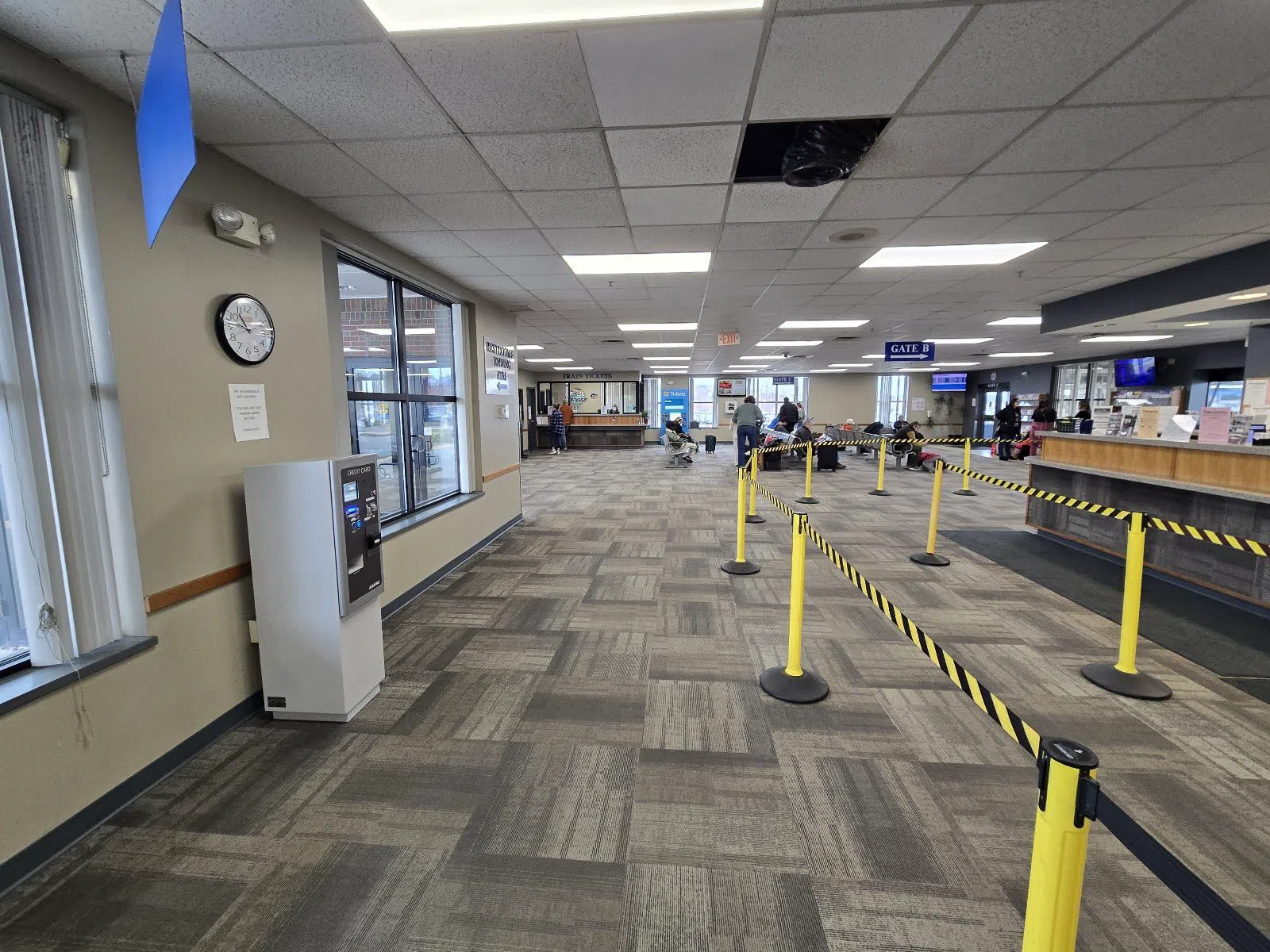
Portland, Maine (Amtrak Downeaster from North Station) is the longest day here and the only one that crosses two state lines: five round trips a day, about two and a half hours each way, and 25 years of service behind it in 2026. One-way value fares start around $13, $26 round-trip promotions run on the route, and over-65s take 50% off daily. Seats are reserved, so book the group together and early; the five departures give you room to move the return. The Portland Transportation Center is around a mile and a half from the Old Port, so plan a local bus or cab at the far end rather than discovering the walk. Old Orchard Beach is an earlier stop if you would rather have sand than a city.
Hyannis (Cape Cod gateway, CapeFLYER) runs weekends only, Friday, Saturday and Sunday from 22 May 2026, with extra holiday trains, out of South Station, with a café car, free wifi and a dedicated bike carriage that carries bikes free. It is $40 round trip, and children 11 and under travel free with an adult. From the Transportation Center a free Hy-Line shuttle runs to the Ocean Street docks for the Nantucket and Martha's Vineyard fast ferries, which are ticketed separately and are what make an island day possible without a car. Read the calendar carefully before you build a weekend around it: the core season ends in early September, and weekend-only service means the whole party travels on the same train, in both directions.
Before you go
Buy Commuter Rail tickets before you board, and if you are travelling on a Saturday or Sunday, buy the $10 all-weekend pass instead of singles. One return trip to Newburyport or Rockport pays for it, and everything else that weekend is free. Subway fares to Revere Beach are $2.40 each way. Ferries are priced separately from rail and none of the passes touch them.
Carry a little cash. Card works nearly everywhere, but the walk-on tag at Singing Beach, the carousel at Nantasket and small-town shacks are quicker with notes in hand, and the beach gate queue is where a group loses its morning.
Book what has a cap and ignore what does not. Crane Beach timed passes, harbour island sailings, Provincetown ferry tickets, Lowell canal boats and group admissions at Salem, the Whaling Museum and the Trustees all need arranging in advance; Revere Beach, Concord, Newburyport and Providence need nothing at all. Seasonality decides the rest: most boats and shuttles start mid-May, the CapeFLYER winds down in early September, Salem's ferry stops at Halloween and Provincetown's last weekend sailing is 15 November 2026.
On budget, a rail day out is $17 to $26 in fares, or $10 flat at a weekend; a harbour ferry day runs $20 to $25; Provincetown is the outlier at roughly $138 a head once the fuel surcharge is counted. Add admissions only where you want them, since Concord, Lowell's park, Revere and every North Shore beach path cost nothing.
Finally, check the last departure before you settle into the evening. Every trip here is timetabled, several are weekend-only, and the return leg is the part people forget. Pick a base near North or South Station and the whole coast opens up; the Boston hotel search is the place to start.
Before you go
Can I really do day trips from Boston without renting a car?
Yes, and for several of these a car is the worse option. The Newburyport/Rockport, Fitchburg, Lowell, Providence and South Coast lines all leave from North or South Station, the Blue Line reaches Revere Beach for $2.40, and ferries run from Long Wharf and the Seaport. Singing Beach is the clearest case: non-residents cannot park there at weekends at all, but the station is a five-minute walk from the sand.
What is the cheapest way to reach a beach from Boston?
Revere Beach on the Blue Line, at $2.40 each way with no gate fee and no entry cap. After that, the MBTA Hingham/Hull ferry to Pemberton Point is $9.75 each way plus a $2.40 bus to Nantasket Beach, which is the cheapest sea crossing on the list. Singing Beach costs about $11 by train plus a small walk-on fee at the gate.
Which trips do I have to book in advance?
Crane Beach timed passes, which release Mondays and Thursdays at noon and sell out; harbour island ferry sailings, which are timed and ticketed; the Provincetown ferry, which is non-refundable and sells out on summer weekends; Lowell's ranger-led canal boat tours via Recreation.gov; and Amtrak Downeaster seats to Portland, which are reserved. Group rates at the Peabody Essex Museum, House of the Seven Gables and the Whaling Museum need registering ahead too.
Is the Provincetown ferry worth $128 for a single day?
It is if you want the outer Cape at all, because the alternative is three hours each way by road against 90 to 95 minutes by catamaran. Add $5 per leg in fuel surcharge, and $20 for a bike, which is the difference between Commercial Street and Race Point. Tickets are strictly non-refundable, so check the return sailing time before you book.
Which of these work for a group of ten or more?
Revere Beach absorbs any size at no notice, and Providence, Newburyport and Concord are all walkable, uncapped and free at the point of arrival. Georges and Spectacle Islands and Lowell suit groups well because everything is timetabled and bookable. Be careful with Crane Beach, where passes are per visit and must be bought together, Bearskin Neck in Rockport, where the lanes and shacks are small, and Hull, where the connecting bus 714 will not take a big party in one run.