
Harvard Square earns its crowds honestly — nearly four centuries of continuous use will do that to a place — but the tour groups clustered around Harvard's wrought-iron gates see perhaps a tenth of what the neighbourhood actually contains. Walk two minutes past the T stop and Cambridge stops behaving like a photograph and starts behaving like a town: booksellers who have outlasted three recessions, a theatre society older than most nations that use its stages, and a river where the rowing never really stopped since the nineteenth century. This is the Harvard Square that keeps functioning long after the last tour bus pulls away, and it rewards a visitor who budgets a full day rather than a detour. For a fuller sense of how this fits into the rest of the city, the Boston guide covers the neighbourhoods on the other side of the river.
The Bookshops That Never Needed a Second Act
What strikes a first-time visitor to the Square is not that it has bookshops — most university towns manage one or two — but that several distinct, unrelated ones have survived side by side for decades, each serving a different reader. Term time brings a particular rhythm to the streets around the Yard: professors and graduate students hold informal office hours over coffee at the cafés lining Massachusetts Avenue and the side streets off Church Street, red pens out, undergraduate essays stacked beside the cup. It is not staged for visitors and nobody minds you being nearby, but it is also not a spectacle — just how the work here actually gets done, in public, at a small table, the way it presumably has for a very long time.
Harvard Book Store (Massachusetts Avenue, Harvard Square) is the anchor of the lot, independently owned and trading continuously since 1932 — a fact worth sitting with in a country where independent bookshops close weekly. It welcomes browsers and groups without ceremony, runs frequent author events in a dedicated space at the back, and charges nothing to walk in and read spines for an hour; books start around $10. No booking is needed to visit, only for ticketed events.
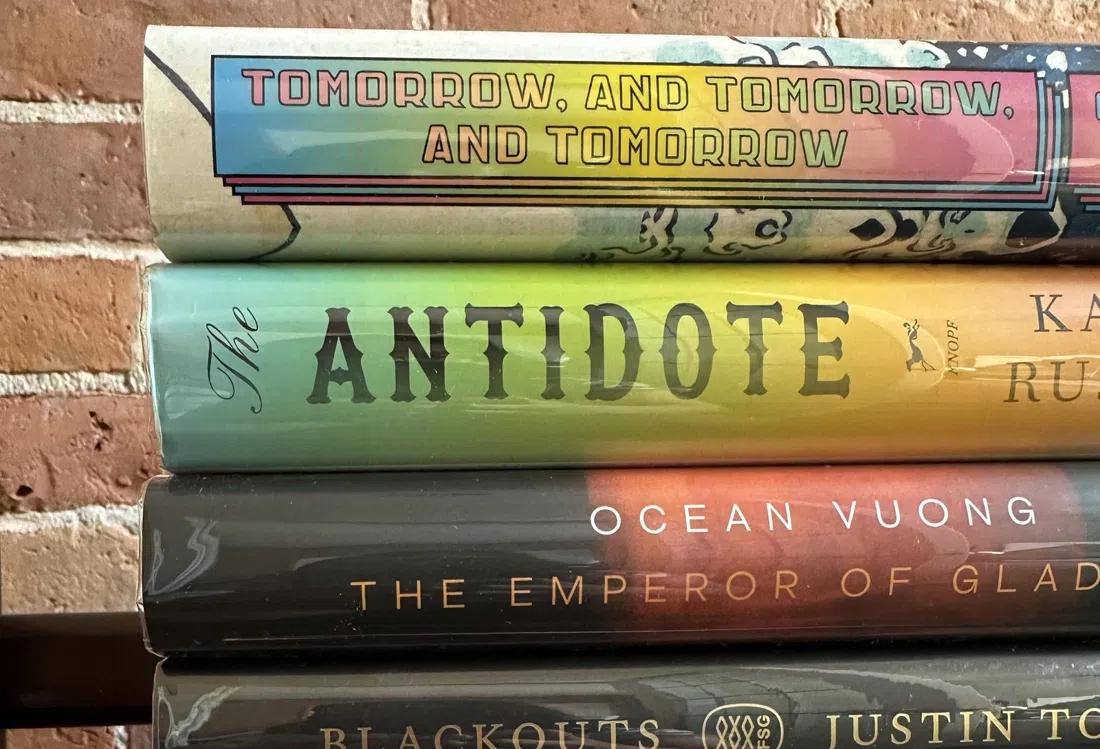
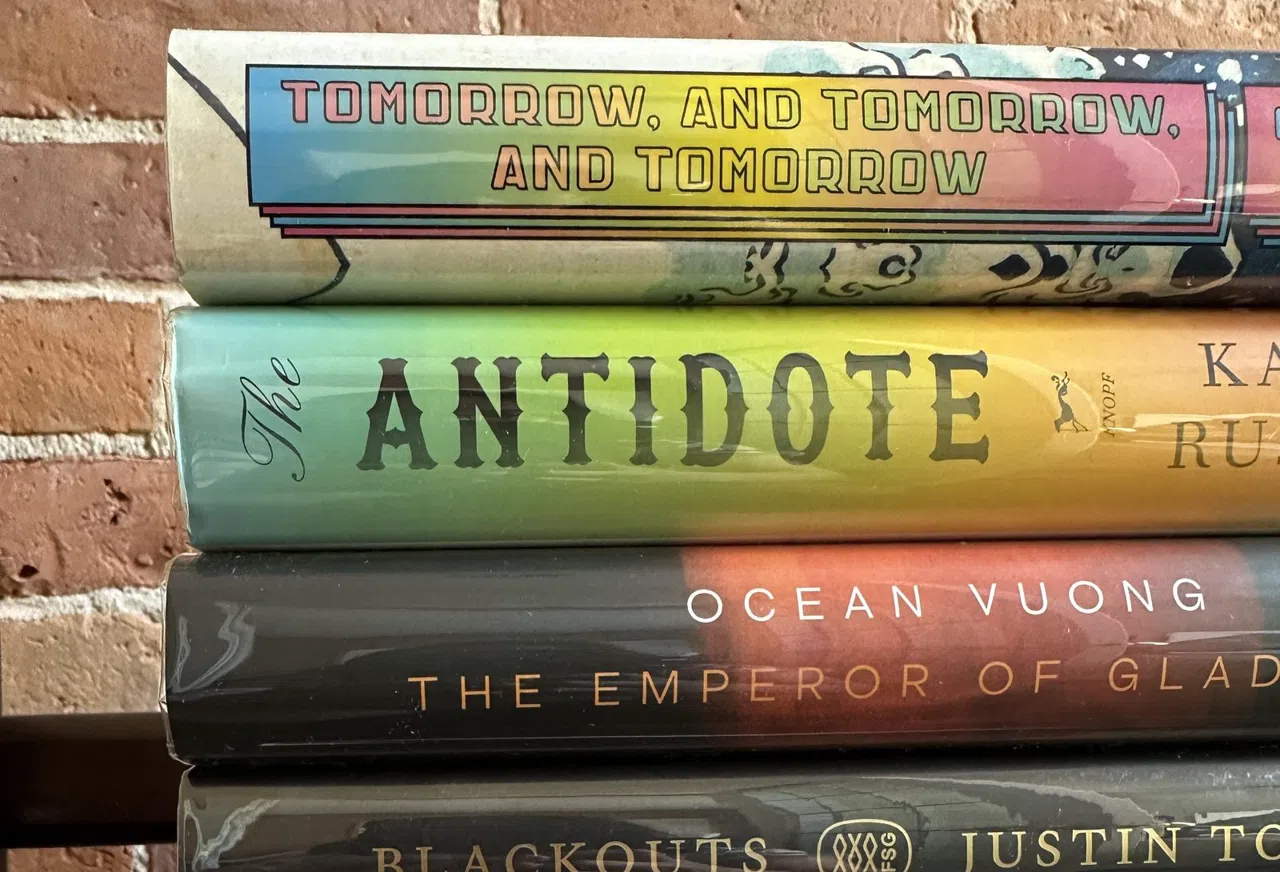
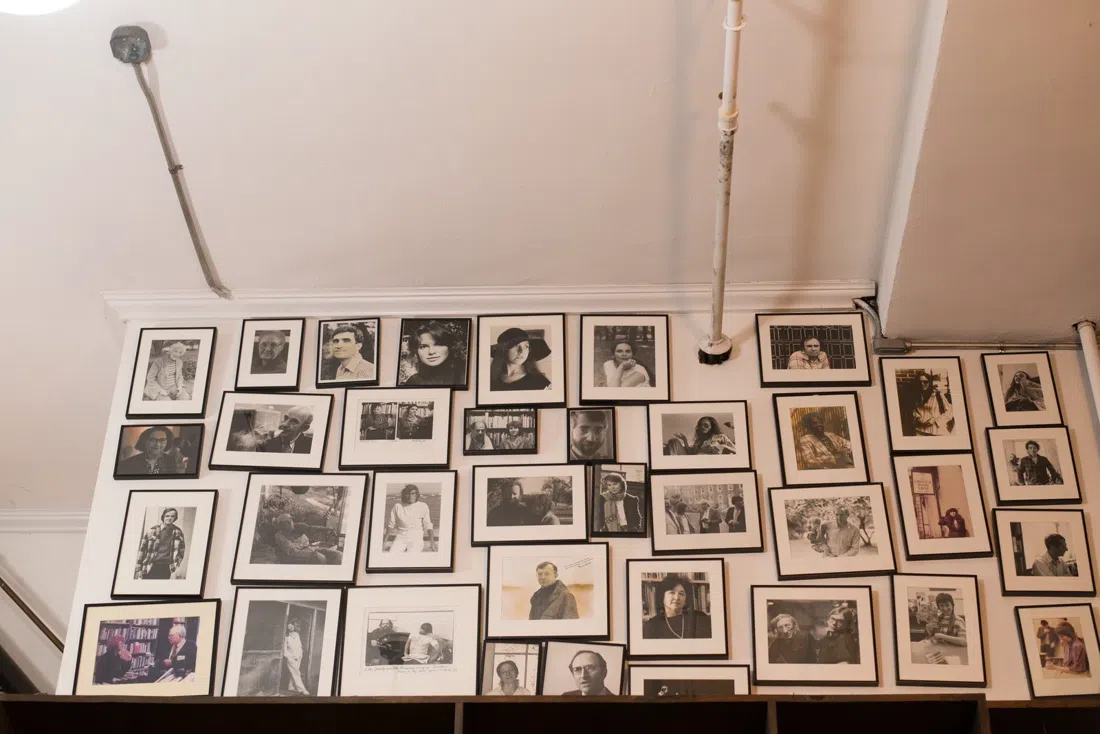
A few streets over, Grolier Poetry Book Shop (Plympton Street) is smaller than most living rooms and stocks almost nothing but poetry — the kind of shop that could only survive in a neighbourhood this literate. Ginsberg, Plath and Eliot all passed through its door at various points in the shop's history, and it still hosts readings open to the public. It suits a solo browser or a pair far better than a coach party; slim volumes run $12 to 20, and browsing costs nothing.
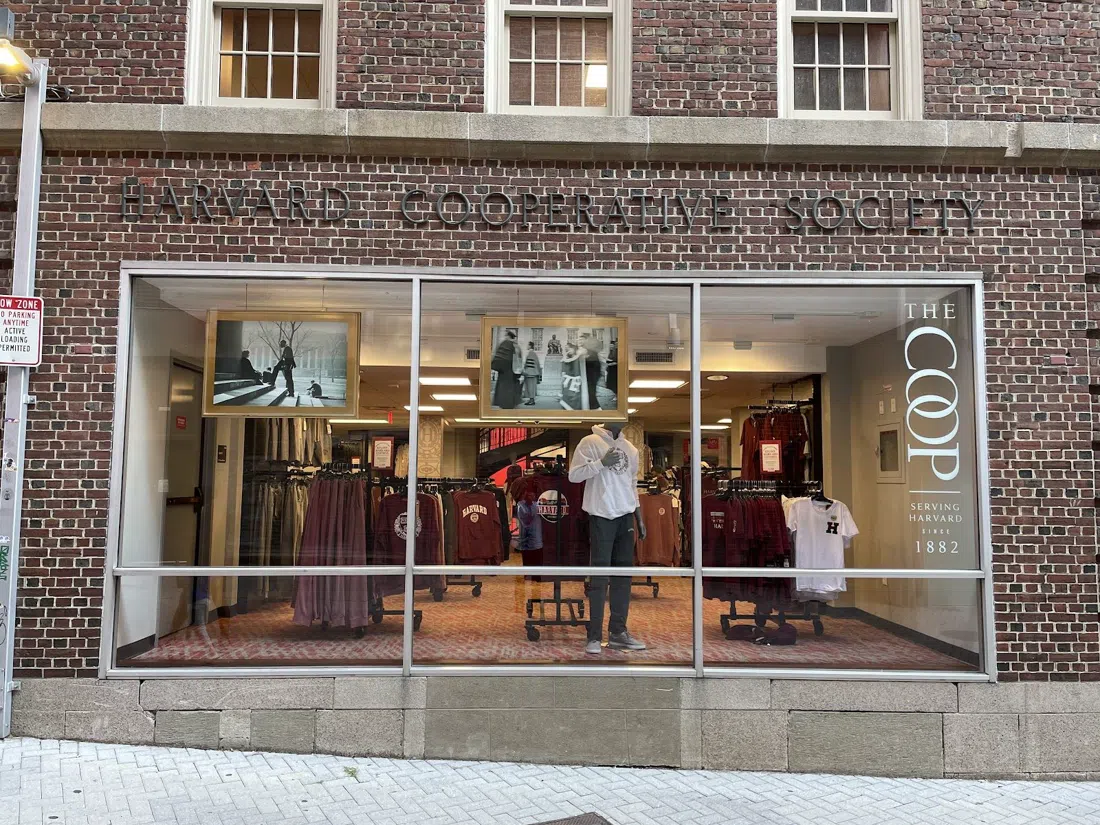
For the counterpoint, there is the Harvard Coop (Massachusetts Avenue) — universally known simply as the COOP — which has operated as the university's official co-op store for well over a century and is now run by Barnes & Noble. It is the busiest, most souvenir-friendly stop in the Square, built to absorb tour groups and gift-hunting families without friction, selling books and branded gifts from $10 to $80. Visit the Coop for the crested sweatshirt and the independents for everything else; the two are not really competing for the same reader.
Stages Undergraduates Built, and the One Broadway Watches
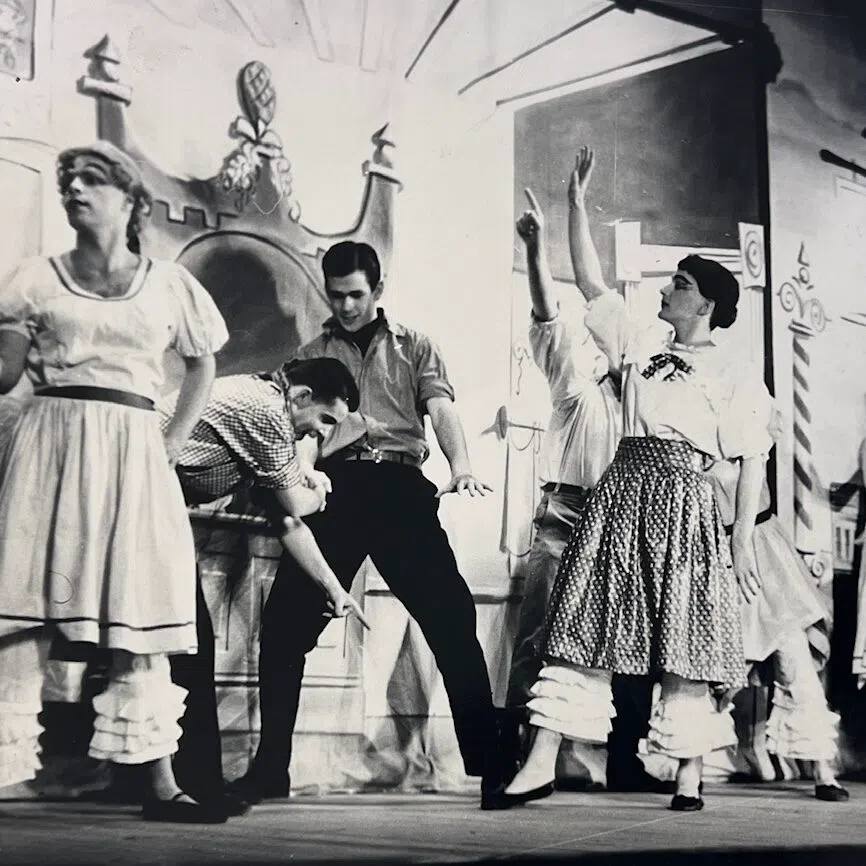
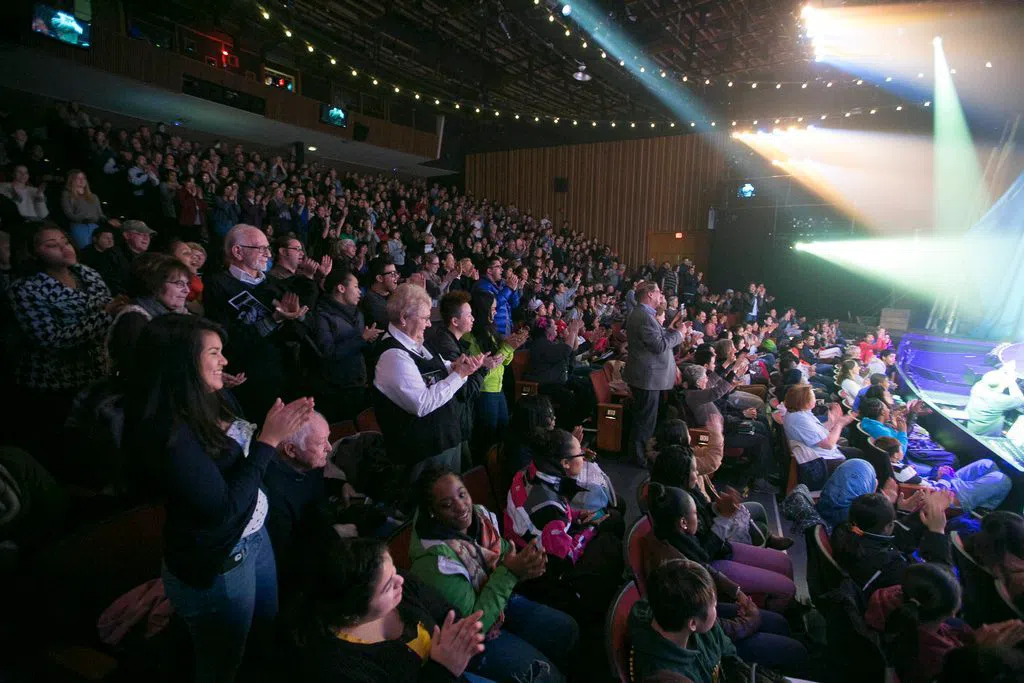
Cambridge's theatre scene runs on two parallel tracks, and a visitor who only sees one is missing half the story. Hasty Pudding Theatricals stages the most distinctive student-theatre tradition in American higher education — an annual burlesque-comedy production, performed by an all-male cast in drag by long tradition, that runs roughly February through March each year. It is public and ticketed, groups are welcome through the box office, and tickets run $25 to 65. Book ahead for the run; it sells out among alumni and locals well before tourists think to look.
Harvard-Radcliffe Dramatic Club, known locally as HRDC, is the umbrella body behind most of the university's student-run drama outside Hasty Pudding, mounting public, ticketed productions most weeks during term. It is casual, inexpensive at $10 to 20 a ticket, and open to anyone who turns up — the least touristy, most honestly collegiate theatre experience in the Square, though productions pause outside term time.
For the professional counterweight, the American Repertory Theater at the Loeb Drama Center is a Tony Award-winning company operating on fully public subscription and single-ticket sales, with group rates available for larger parties. Tickets range from $35 to 120 depending on the production, and the contrast with the student stages down the street tells you something true about how deep Cambridge's theatre culture actually runs — this is not a college town with a drama club bolted on, but a town where professional and amateur theatre have always coexisted.
Folk Music's Working Room, and a Single Screen
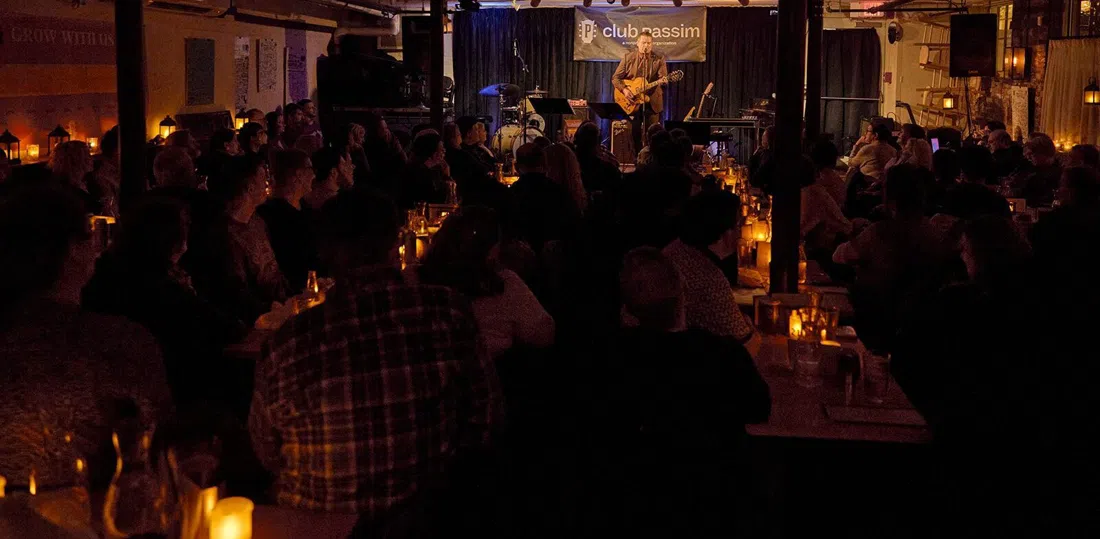
Club Passim sits a short walk from the Square and occupies a specific place in American musical history: it stands where the room that helped launch the 1960s folk revival once operated, and it continues today as a small, intimate, nonprofit venue rather than a converted heritage site. Tables are close together and it suits solo travellers and groups of two to six comfortably; book ahead for well-known acts. Tickets run $15 to 35, plus a minimum table spend that is worth budgeting for on top of the ticket price.
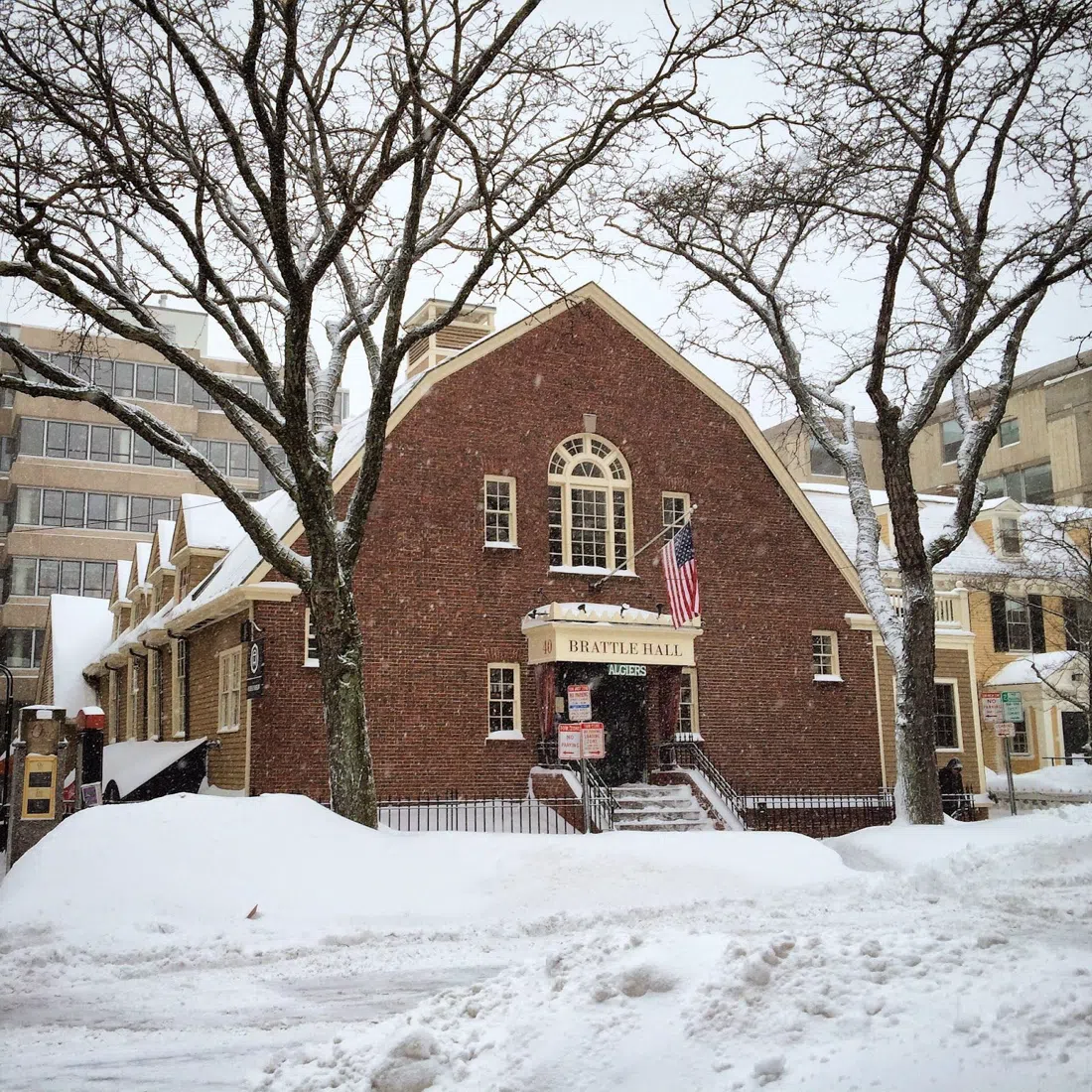
A few minutes away, the Brattle Theatre is one of the last true independent repertory cinemas left in the United States — not a chain, not a multiplex, but a single-screen house beloved by generations of Cambridge residents for its rotating programme of classic and repertory film. Seating is open and groups are welcome, but because there is only the one screen, arrive early for anything popular; tickets are a modest $12 to 14.
Halls Where the Argument Gets Cultural
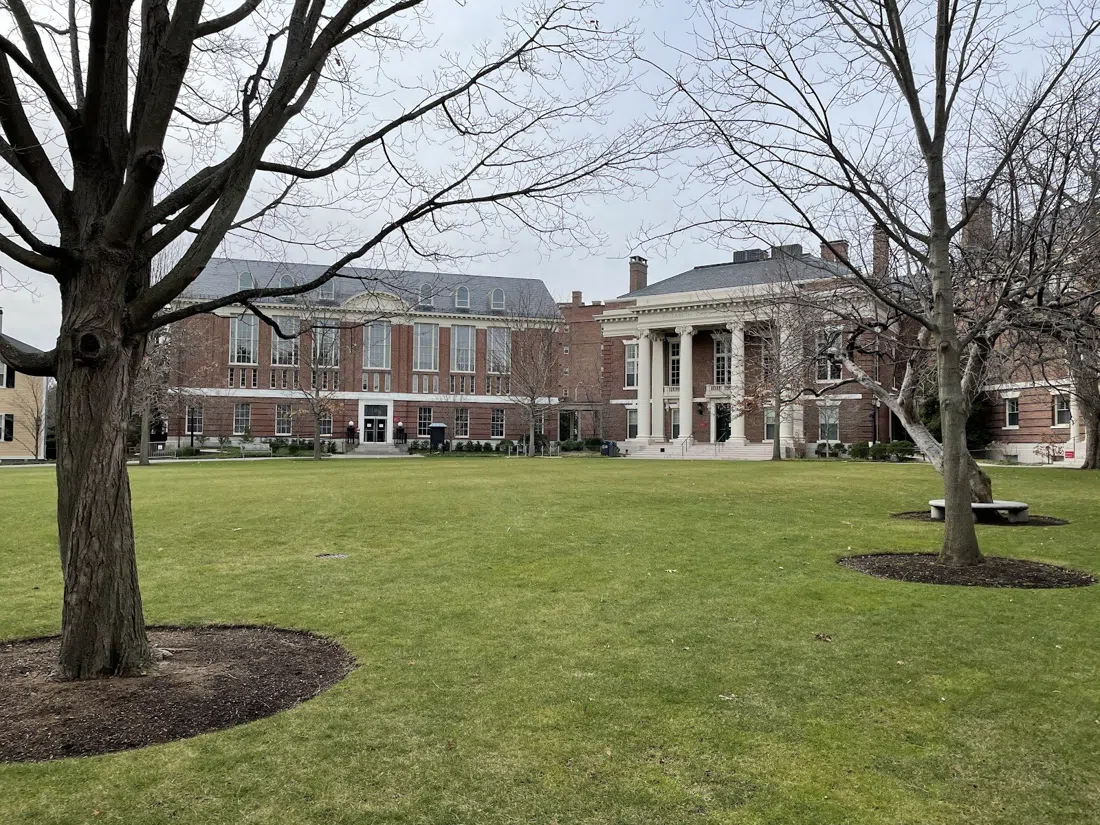
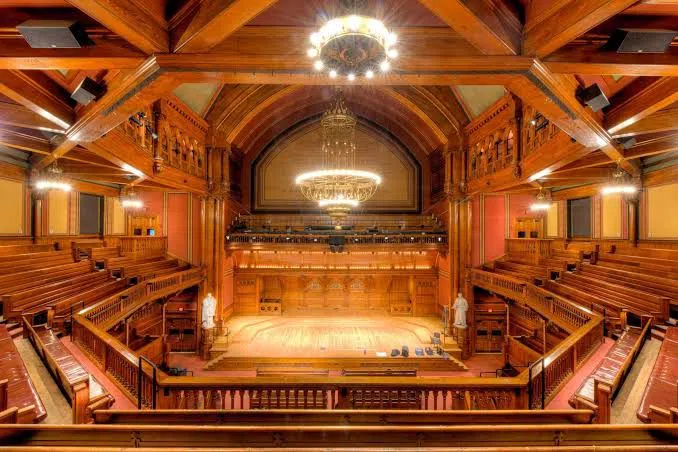
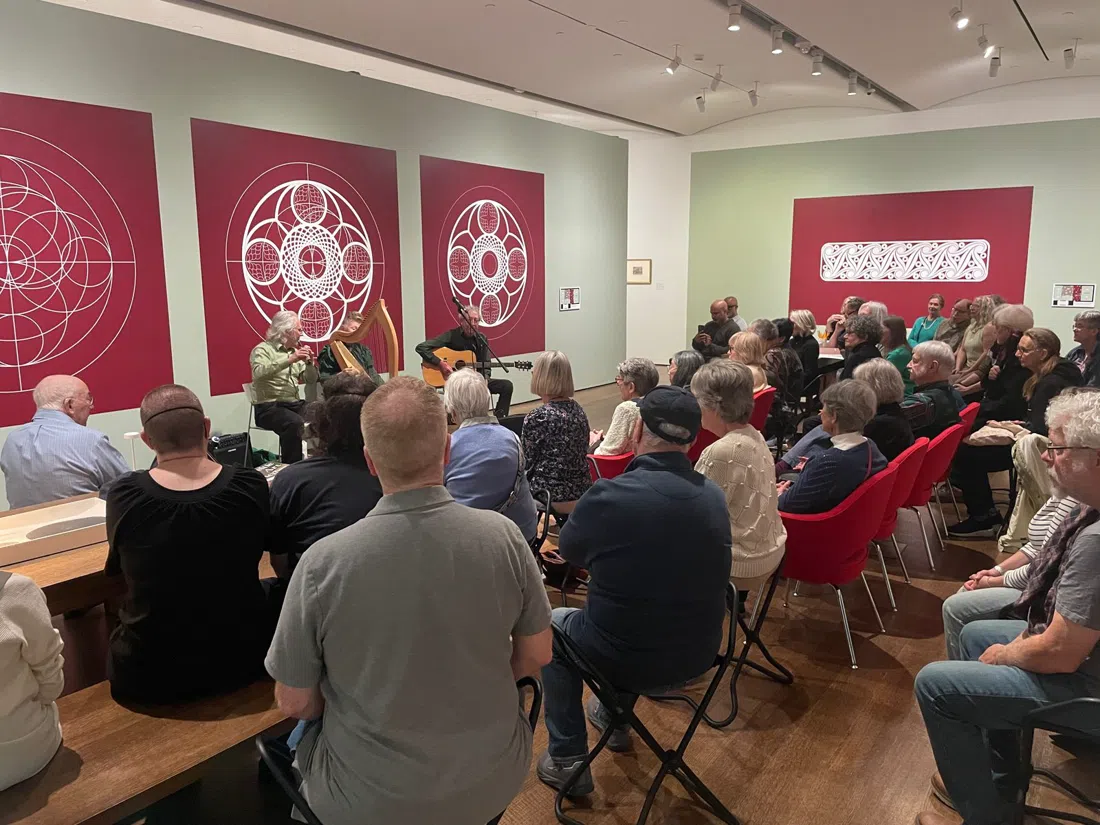
Some of the Square's grandest interiors are still working buildings rather than museum pieces. Sanders Theatre, inside Memorial Hall, is one of Harvard's most architecturally striking spaces and remains an active concert hall hosting choral performances, concerts and lectures open to the public — many of the lectures are free, while concert tickets run $15 to 40. It is the closest thing in this guide to the Nobel-laureate-adjacent, town-gown grandeur that Harvard Square trades on, minus any pretence that you need an invitation to attend.
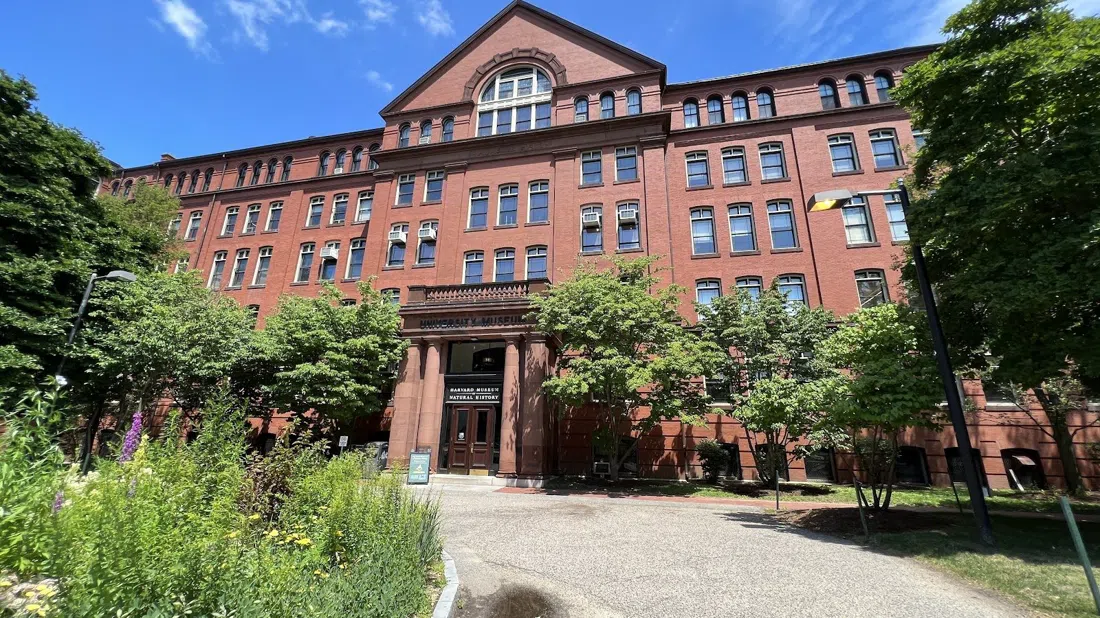
The Harvard Art Museums offer free general admission and occupy a striking piece of contemporary architecture, easily absorbing tour groups without feeling crowded — an easy, high-value stop for any visitor regardless of art background. A short walk away, the Harvard Museum of Natural History houses the Glass Flowers, a collection of botanical models made entirely of glass that exists nowhere else on earth; admission for adults is $20, and the museum runs timed entry during peak hours to manage groups, so arrive with a plan rather than hoping to walk straight in during a busy afternoon.
Mount Auburn and the Cambridge Beyond the Yard
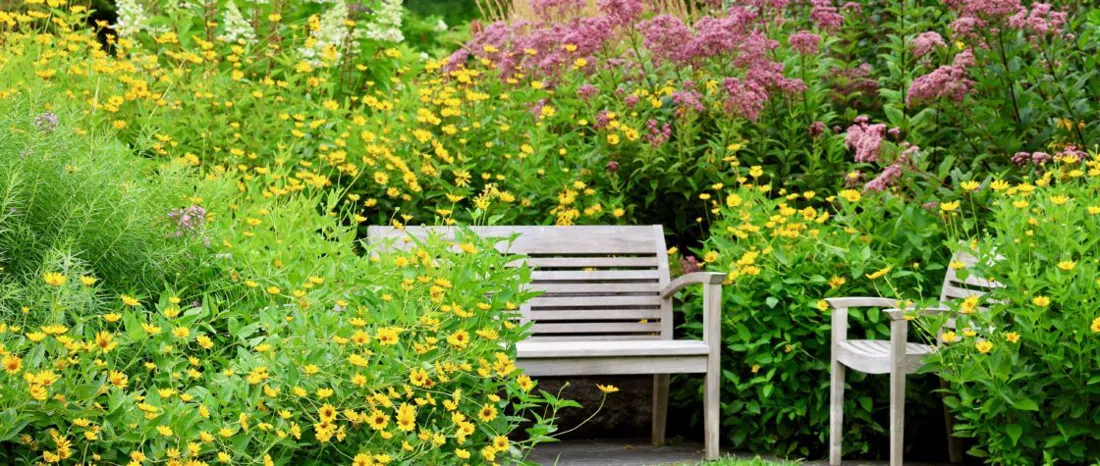
A mile or so from the Square proper, Mount Auburn Cemetery is easy to overlook on a first visit and is arguably the most quietly remarkable landmark in this guide. Consecrated in 1831, it is the National Historic Landmark credited with inventing the American garden-cemetery movement — a working cemetery designed from the outset as a public landscape of trees, ponds and monuments rather than a solemn field of stones. It is open to the public daily from 8am to 5pm, free to walk, and runs regularly scheduled guided tours at modest prices that are worth booking if you want the history rather than just the scenery. It is the clearest evidence that Cambridge's identity was never only about the university gates.
The River the City Actually Rows
Rowing on the Charles is not a metaphor here — it is a functioning civic activity, and two organisations make it genuinely accessible to a visitor rather than a spectator sport watched from a bridge. Charles River Canoe & Kayak, operating as Paddle Boston out of Kendall Square, is walk-up friendly for solo paddlers and small groups, with no advance booking required for hourly rental; an outing runs roughly $20 to 49 and needs no prior experience.
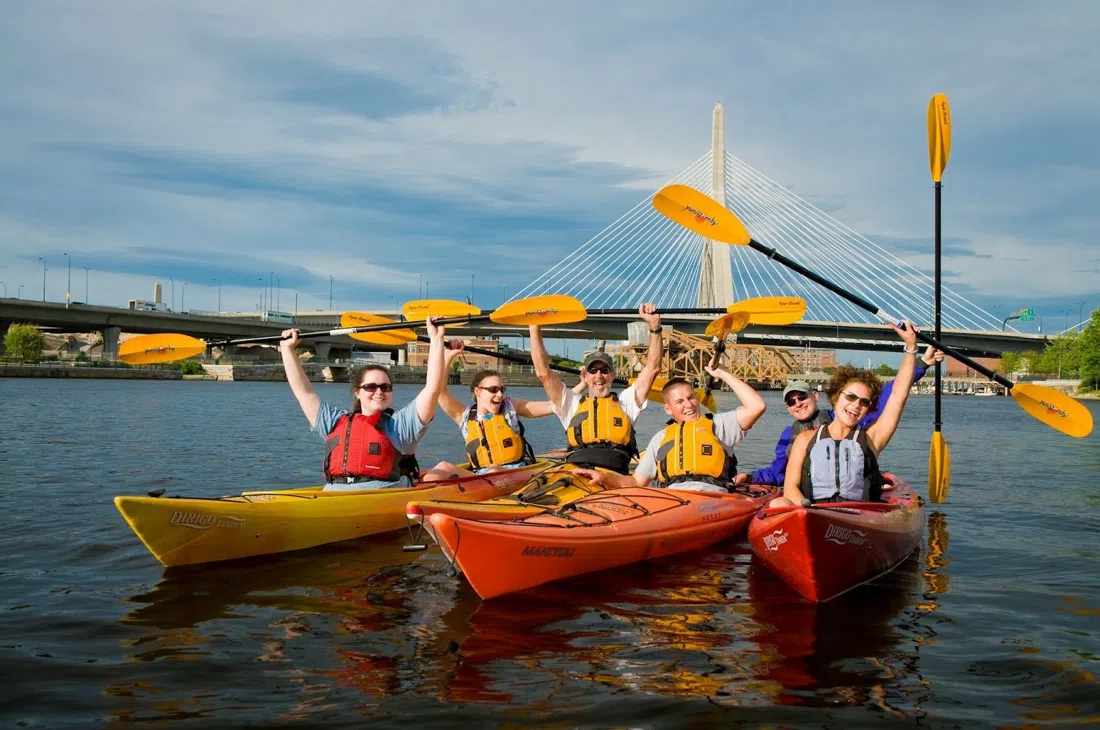
For something closer to the real thing, Community Rowing, Inc., known as CRI, is explicitly built for public access — unlike the private boat clubs that line the river and keep their doors closed to outsiders. CRI runs adult learn-to-row programmes that welcome newcomers and groups, with packages costing roughly $150 to 300. It is the honest way for a traveller to actually get an oar in the water on the river the city is famous for rowing, rather than admiring it from the bank.

A Pantry Older Than the Interstate
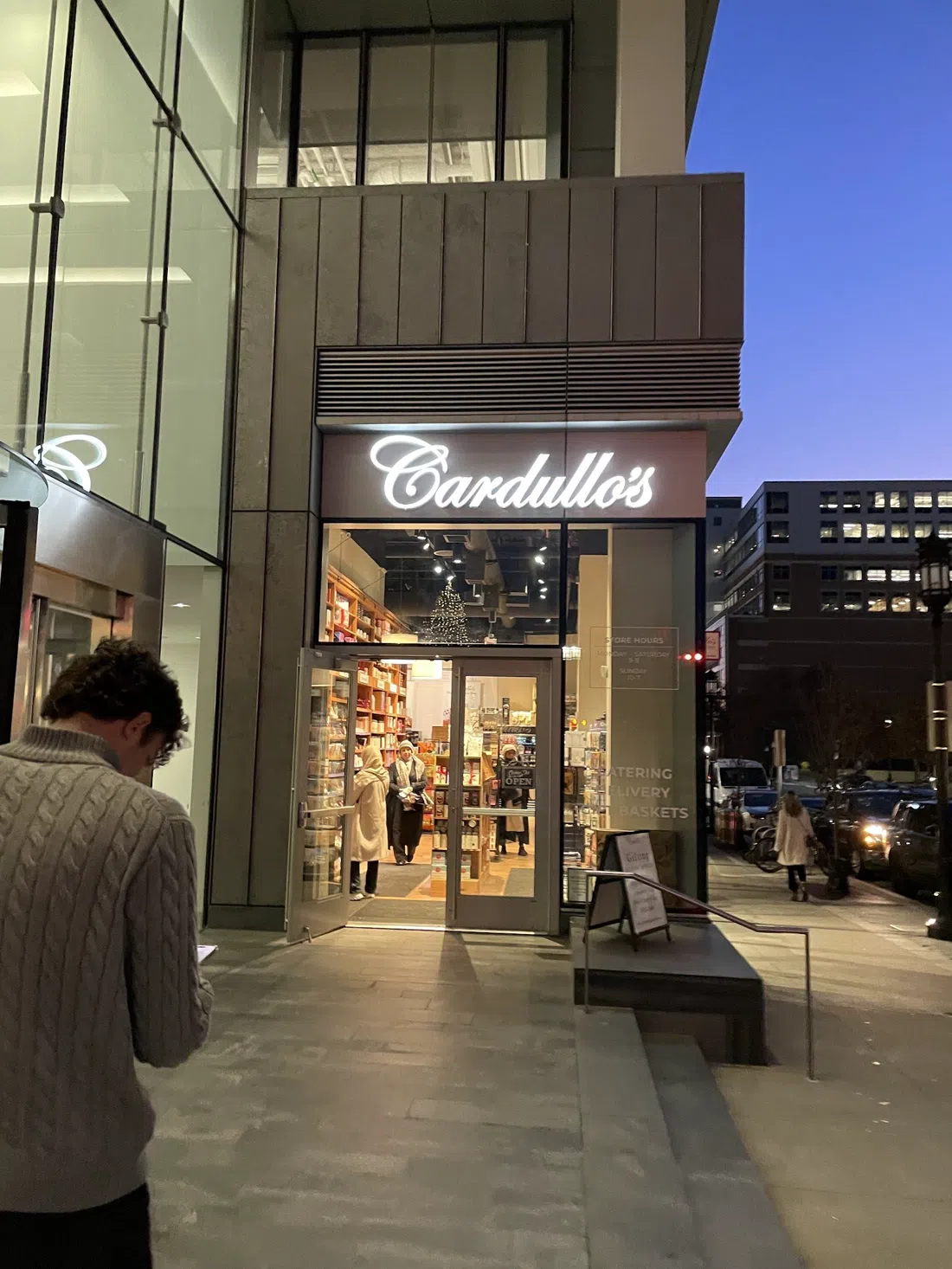
Cambridge's food culture around the Square runs deeper than the coffee-shop grading sessions suggest. Formaggio Kitchen has traded as a serious specialty food and cheese shop since 1978, small enough to suit individuals and pairs browsing at leisure, with cheese and specialty goods priced $10 to 40. A few blocks over, Cardullo's Gourmet Shoppe has been a Harvard Square fixture since 1950, stocking an international pantry of snacks and gifts from $5 to 40 — a useful counterpoint to the collegiate gift shops, though its aisles are narrow and larger groups should expect to split up while browsing.

Getting There, Timing It Right, and What to Budget
Harvard Square sits at the end of the MBTA Red Line — the single easiest transit connection in the city, putting the Square roughly fifteen to twenty minutes from downtown Boston with no transfers. Most venues in this guide are within a ten-minute walk of the Harvard T stop, with Mount Auburn Cemetery and the Kendall Square paddling launch being the two exceptions worth a short bus ride or a longer walk.
Cards are accepted everywhere listed here, including the smaller independent shops, though it is worth carrying a little cash for guided cemetery tours and any minimum spend at Club Passim. Term time — roughly September through May, with the Hasty Pudding run concentrated in February and March — is when the student theatre scene is actually active; visit in high summer and HRDC's stages will be dark, though the museums, bookshops and river outfitters run year-round. Warmer months, from May through September, are the sensible window for paddling or a learn-to-row session on the Charles, since both operators are seasonal and the water is considerably more pleasant to fall into by accident in July than in November.
Budget a full day rather than an afternoon if you want to cover the Square properly: free browsing at the bookshops and art museum costs nothing, a single theatre or concert ticket runs $10 to 120 depending on which stage, a paddle on the river is under $50, and a serious lunch from Formaggio's or Cardullo's counter will run somewhere in the teens to twenties per person. None of it requires advance planning except the theatre tickets and the guided cemetery tour, which are worth booking a few days out in season. If you are staying over rather than making it a day trip from downtown, a Boston hotel search will turn up options on both sides of the river, and Cambridge itself has enough independent hotels near the Square to make staying local worthwhile if the theatre or river activities run past a convenient last train.