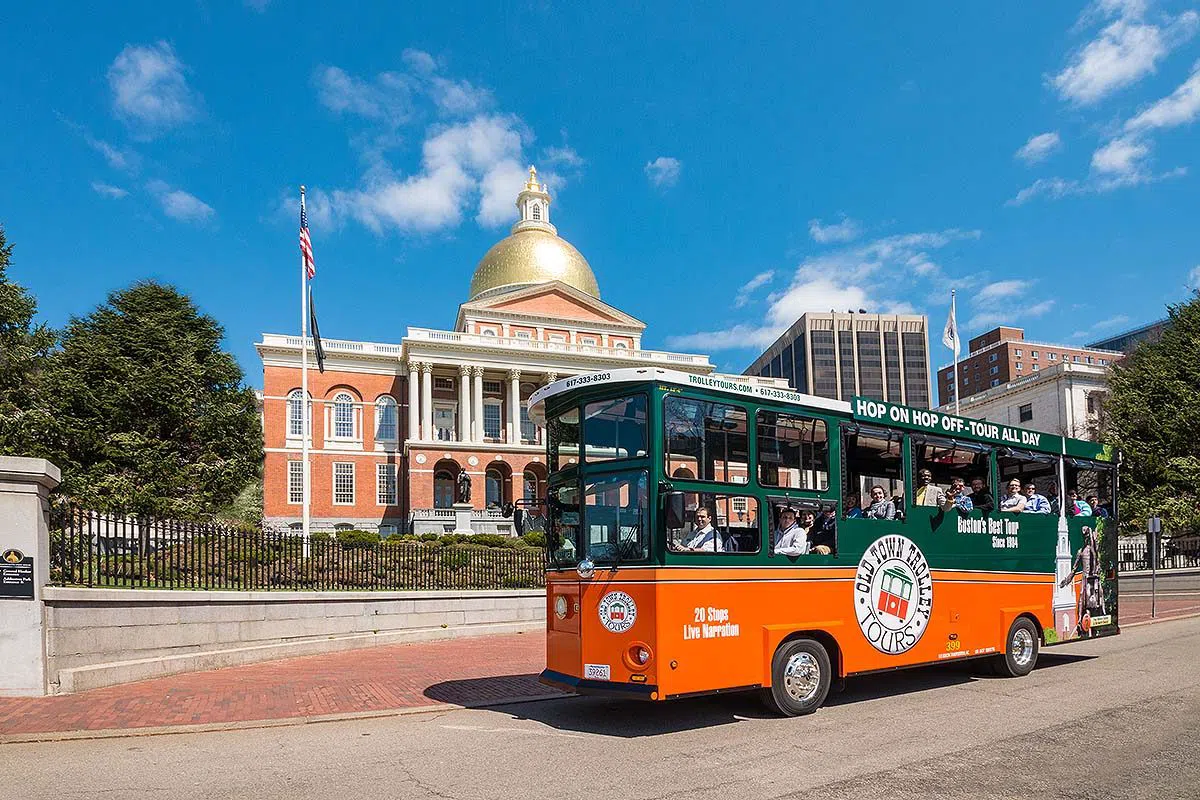

By the middle of September the light in Back Bay goes long and low across the brownstone fronts by late afternoon, the summer humidity has broken, and the open upper deck of a trolley stops being a punishment. This is the part of Boston that was dredged, filled and laid out to a plan in the nineteenth century, which is why it reads so cleanly from a moving seat: a grid with alphabetical cross streets, a spine of park down the middle of Commonwealth Avenue, a tower at one end you can ride to the top of. A hop-on hop-off ticket buys you the outline in about half an hour. The remaining hours are the decision this piece is about.
What the Back Bay loop actually covers
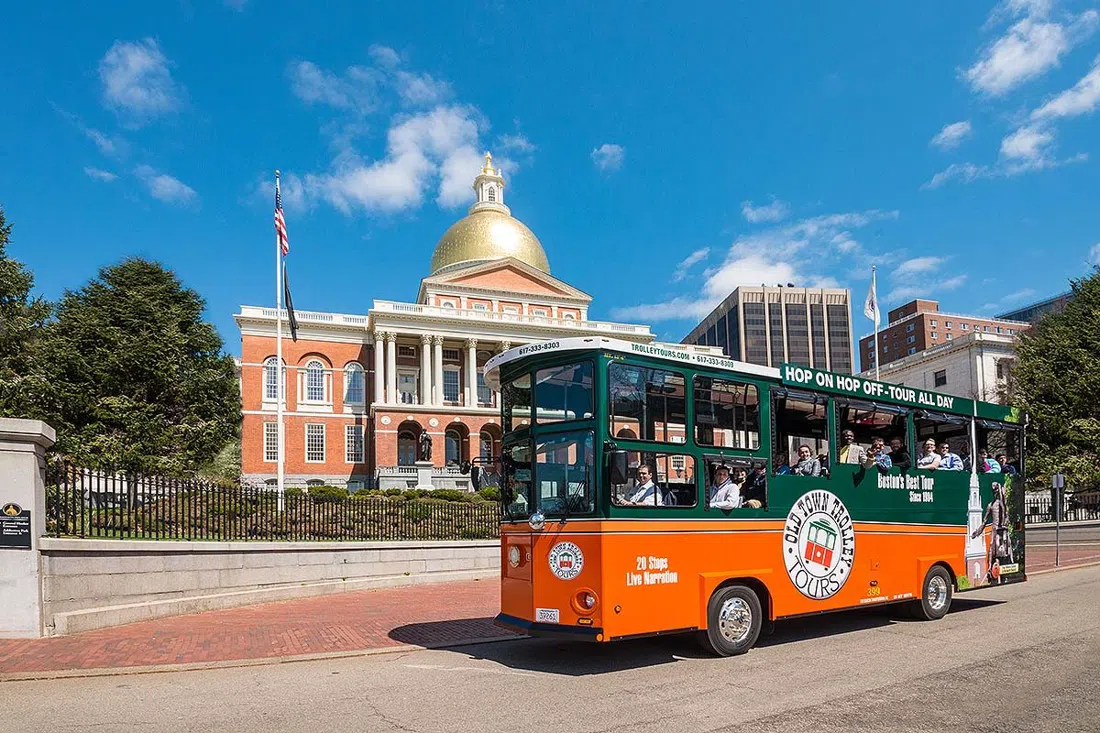
Several trolley routes run here rather than one, and the difference matters more than the marketing suggests. Old Town Trolley Tours Boston (citywide, with a dedicated Back Bay leg) runs seventeen stops and is the only operator carving this neighbourhood out as its own circuit: the Orange loop, stops 10 to 13, takes in Prudential Center and View Boston, Christian Science Plaza and Symphony Hall, Copley Place, and Copley Square with Trinity Church. Because those four sit on a closed circuit of roughly thirty minutes, Back Bay behaves as a self-contained ride rather than a long detour hung off the main Green City loop. You can go round twice in an hour and still not have got off. One-day tickets start from about $44 for an adult and two-day from about $98, with children cheaper. Families board freely at any stop, and there is a separate group and charter sales operation plus school programmes, so a coach party is not an awkward fit.
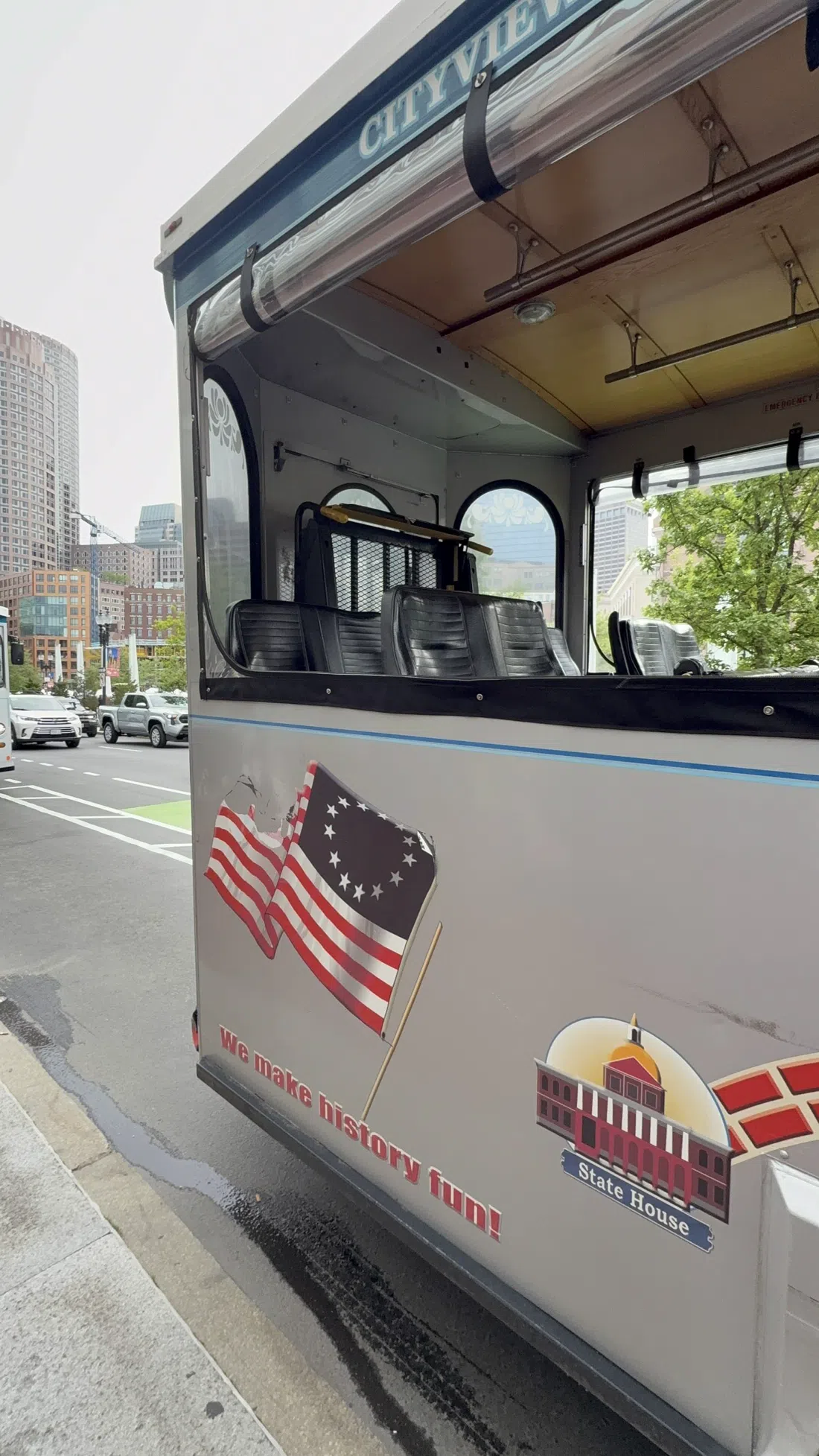
CityView Trolley Tours (downtown and Back Bay) is the leaner option. Nine physical stops rather than seventeen, supplemented by GPS-guided walking routes, with departures roughly every fifteen to twenty minutes and no booking required to reboard. One-day tickets run from about $47, two-day from about $77, and there is an eighty-minute non-stop version from about $37 if what you want is a seat and the narration rather than a day pass you will use three times. Discounted multi-ticket and group rates are advertised. The catch is seasonal: it operates April to November, so September sits comfortably inside its window, and a December visitor should not plan around it.
If you book a guided trolley ticket online in advance rather than walking up, prices start from 51 USD per person, which is what you pay for a held seat and a cancellation window. The service runs seven days a week, so no day of your trip is structurally out. On volume: there are 7,424 traveller reviews across the bookable tours at this attraction, and the most-booked trolley tour carries 4.3 out of 5 from 5,993 of them. That is a solid working number rather than a rapturous one, and it matches the experience: a competent, history-forward ride whose value depends almost entirely on where you step off.
What you see from the seat
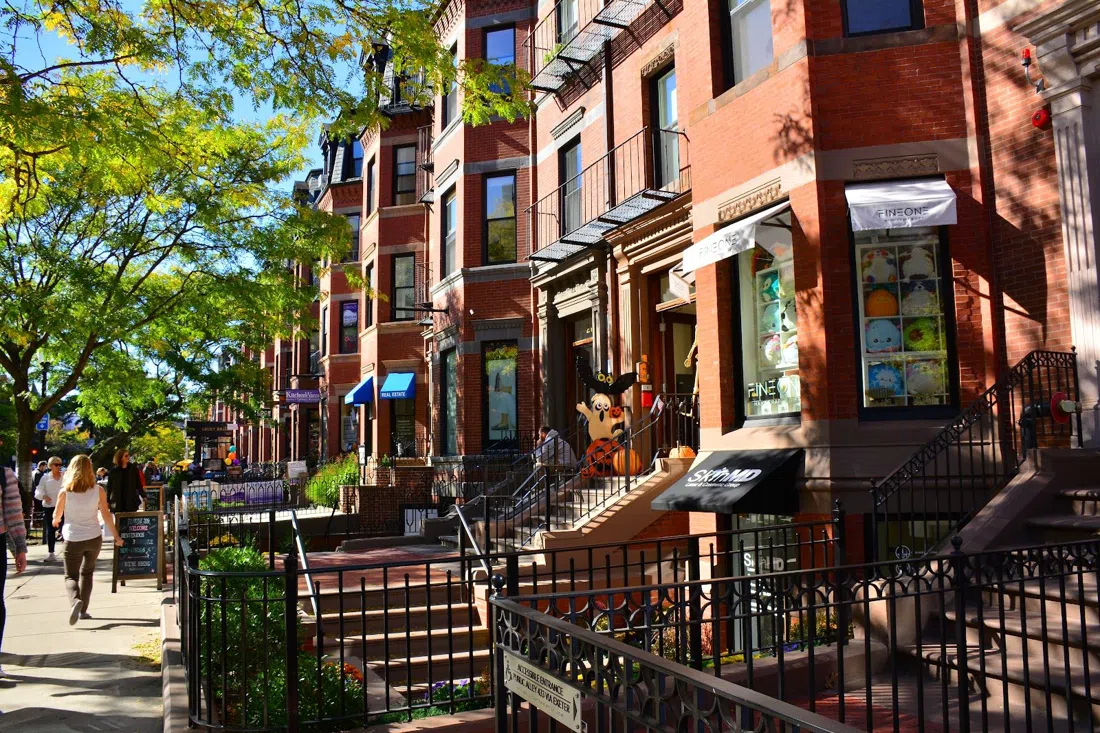
The ride is a survey. You get the Boylston Street commercial frontage, the turn past Copley Square with Trinity Church squared off against the glass tower behind it, the long institutional openness of Christian Science Plaza, and the Huntington Avenue corridor running away to the southwest. Between stops you are looking at a nineteenth-century residential grid that has kept its scale: four- and five-storey bay-fronted rows, cross streets running alphabetically from the Public Garden end westward towards Massachusetts Avenue, and the occasional flat cut of light down a side street to the river.
Commentary quality varies by driver rather than by operator, which is true of every trolley in every city and not a reason to pick one over the other. Thirty minutes gets you the full Back Bay circuit; ninety minutes to two hours gets you a wider Boston loop with the Back Bay stops embedded in it. Plan the ride as orientation you do once, early, and then treat the ticket as transport for the rest of the day.
The Prudential stop and the view
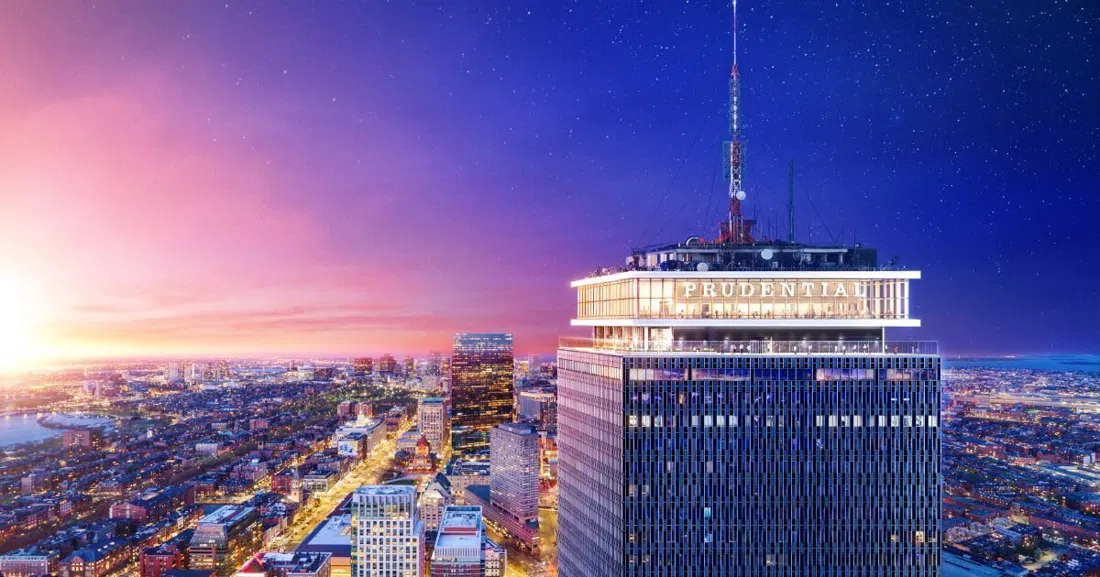
Get off first at stop 10. View Boston (Back Bay, atop the Prudential Tower) occupies three floors of the tower and is the quickest orientation you can buy here: the grid you have just ridden through laid out beneath you, with the river, the harbour and the Charles River basin all legible at once. General admission starts from about $32 plus a $3 booking fee, evening entry is cheaper, and a Sips and Sights ticket runs about $48 if you want a drink with it. It opens daily from 10am to 10pm with last entry at 9.15pm, which is the most useful timing fact in this article. The observation deck is still taking visitors hours after the trolleys have finished for the day, so it works as a sunset stop rather than a daytime one. There is a group bookings desk for outings, private dinners and youth programmes.
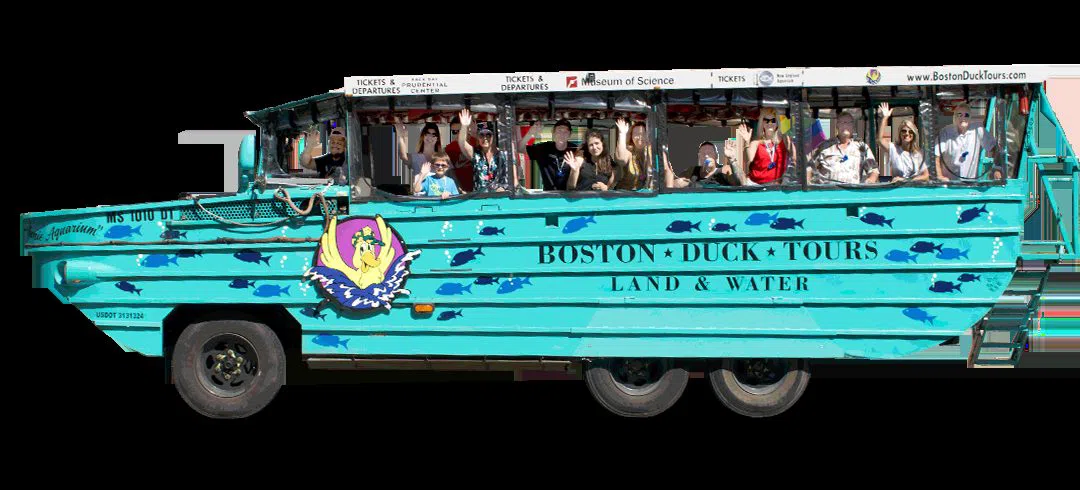
On the same block, Boston Duck Tours (Back Bay, boarding at the Prudential Center) is an alternative rather than an addition. Roughly $50 to $55 for an adult, less for children, it adds the river splashdown that no wheeled vehicle can match, but it is a fixed eighty-minute round trip with no hop-off, so it complements a day pass rather than replacing one. It runs a strong group business with a separate ticket desk and block bookings for schools, coaches and conferences. If you are travelling as two adults with limited time, pick one: the duck for the novelty and the water, the trolley for the freedom to leave it.
Copley Square and its three doors
Stop 13 is where the loop earns its keep, because three things worth your time sit within one square.
Trinity Church in the City of Boston (Copley Square) is directly at the stop and charges $10 for adults, $8 concessions, with under-14s free. Its opening pattern causes more wasted journeys than anything else in the neighbourhood: tours run Tuesday to Saturday only, 10am to 4.30pm, with a pause on Tuesdays from 12.00 to 12.45pm for the Eucharist. Arrive on a Sunday or Monday and you will be looking at the outside. It is also a working parish, so weddings, funerals and services close it at short notice. Groups are welcome but should book ahead and should expect the schedule to win any argument.
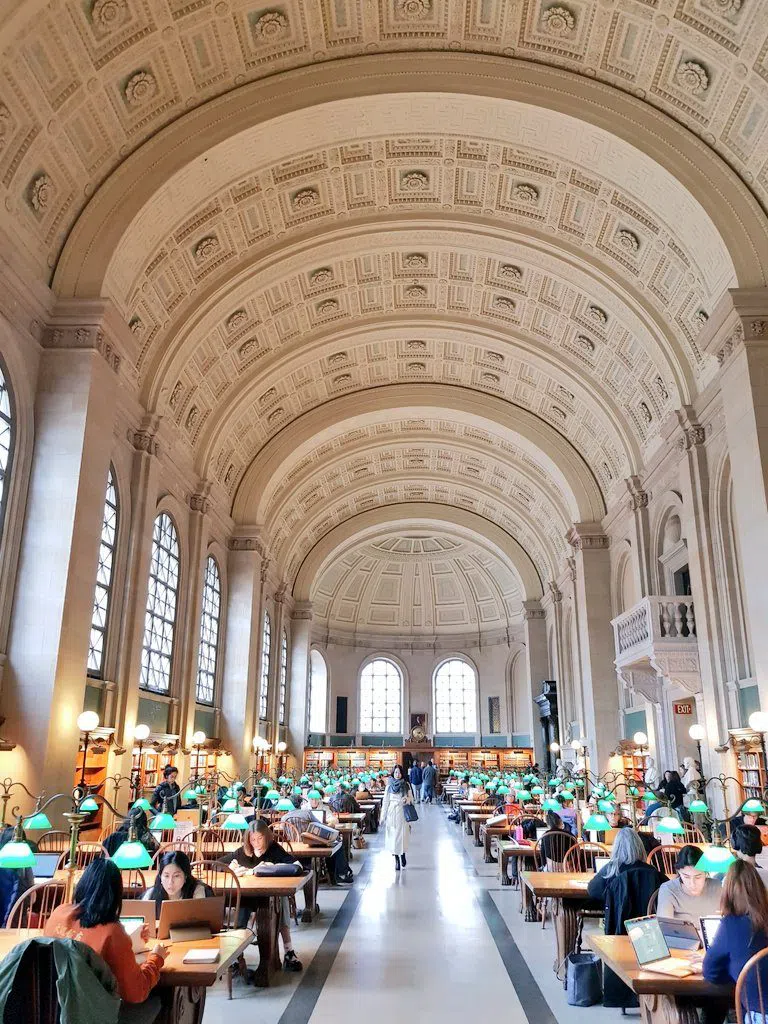
Across the square, the Boston Public Library, Central Library (McKim Building) (Copley Square) is free and does more for a visitor than most paid tickets in Back Bay. Free walk-in art and architecture tours leave from the McKim vestibule, and the Italianate courtyard is a genuine escape from the Boylston Street traffic noise. Bring a coffee and sit in it for twenty minutes. Opening is Monday to Thursday 9am to 8pm, Friday and Saturday 9am to 5pm, and Sunday 11am to 5pm, so it covers the days Trinity does not. Large groups should contact the library in advance rather than arriving en masse.
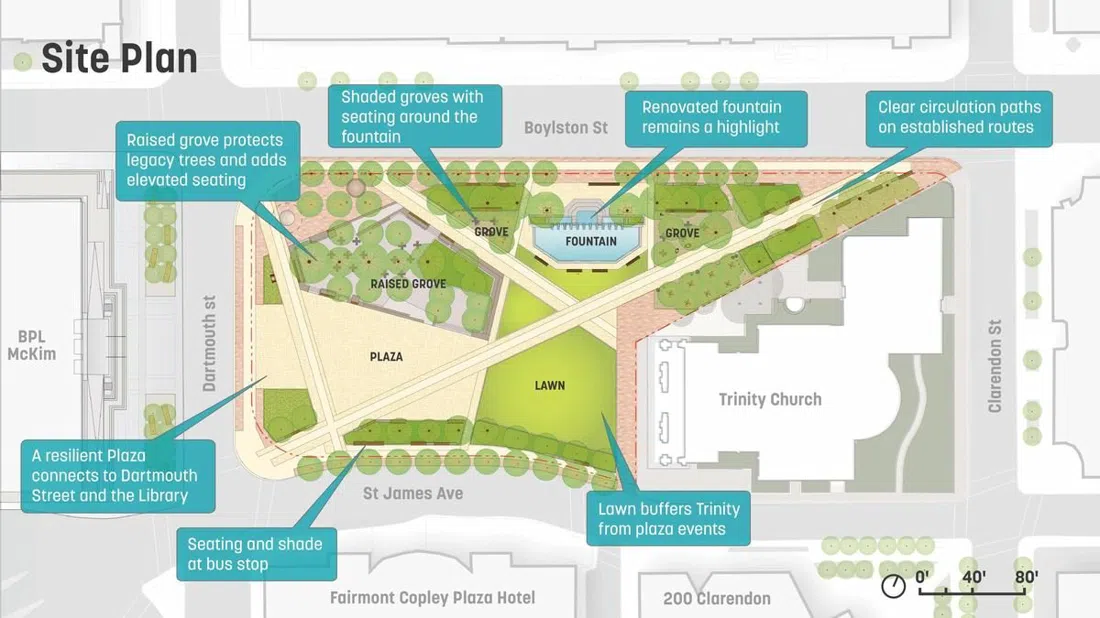
Between the two, Copley Square Park (Copley Square) is worth flagging as finished rather than fenced. The $18.9m rebuild that closed the square from 2023 is complete, with the fountain and lawn areas done in 2026. If you have seen photographs of hoardings in an older guidebook, they are out of date. A farmers' market runs here in season.
The Symphony Hall stop and the corridor beyond
Stop 11 puts you on Christian Science Plaza, and two minutes on foot from it is The Mary Baker Eddy Library and the Mapparium (Back Bay), the one true oddity on the loop: a three-storey stained-glass globe you walk through on a glass bridge, entered in timed batches because the bridge holds only a few people at a time. The Mapparium and Quest Gallery cost about $6; the rest of the library and the plaza outside are free. It opens Tuesday to Sunday, 10am to 4pm, which makes it a morning or early-afternoon stop and never an evening one. Groups must book ahead, because the bridge capacity is the constraint rather than the ticket desk.
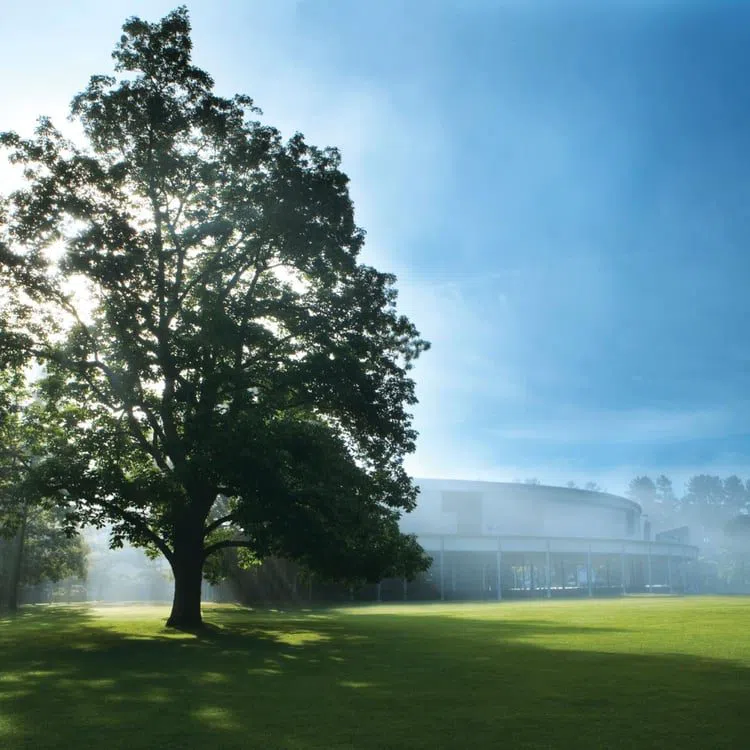
Symphony Hall (Christian Science Plaza/Symphony Hall stop) sits on the same corner, and September timing matters here more than in any other month. The Boston Symphony Orchestra's 2026-27 season opens on 17 September 2026, so the hall shifts from quiet building to booked venue in the middle of your window. Concert tickets start from around $30 and group sales exist. Interior access outside a performance depends entirely on the tour and rehearsal schedule, so treat a daytime look inside as a bonus rather than a plan.
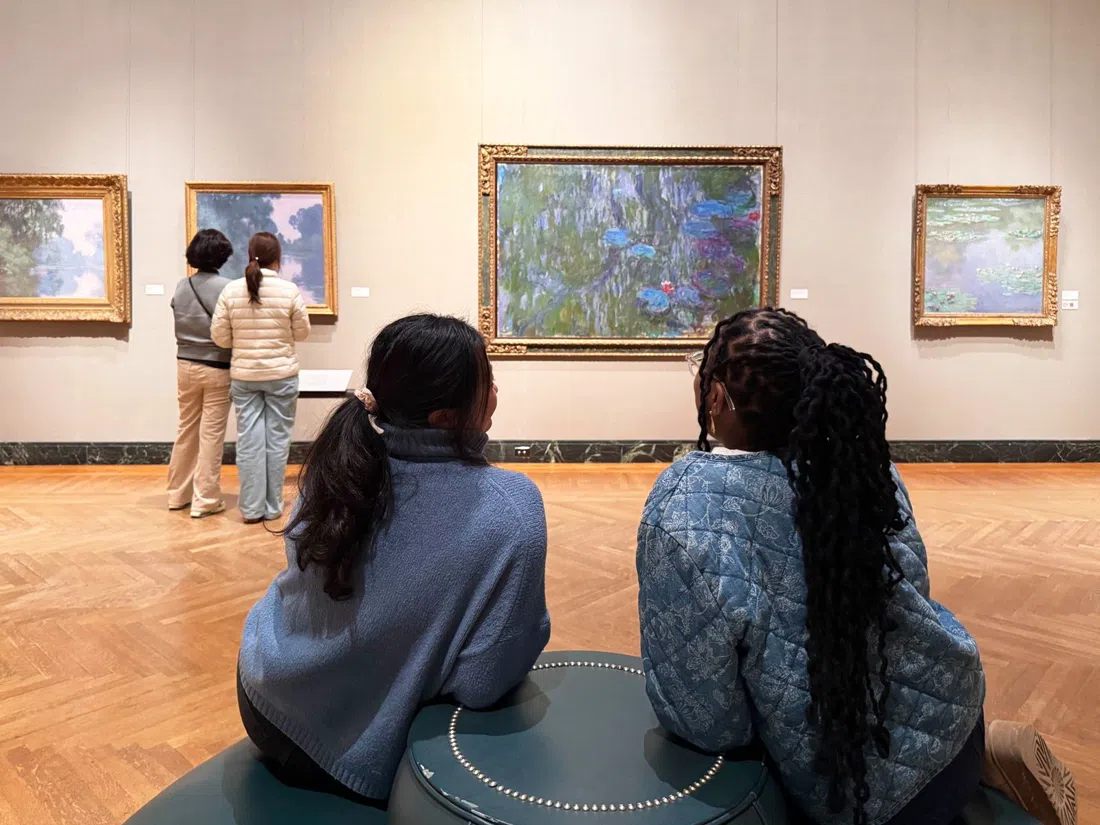
Further out along Huntington Avenue, the Museum of Fine Arts, Boston (Fenway, at the far end of the corridor) is the serious museum day near this neighbourhood: $27 for adults, $10 for ages 7 to 17, under-7s free, with group rates and advance group booking. Two scheduling facts decide whether it works. It is closed every Tuesday, and Thursday and Friday are the only nights it stays open until 10pm. If you have one late afternoon free, make it a Thursday or Friday and give it three hours. Large bags go in the cloakroom.
Where to walk once you are off the trolley
The hop-off only pays if you walk, and Newbury Street (Back Bay) is the stretch that makes it pay. It is free to walk and the character changes end to end: the blocks nearest Arlington Street are flagship-brand territory, while the Massachusetts Avenue end is cheaper, scruffier and more local. Budget an hour to do it properly, more if you stop.
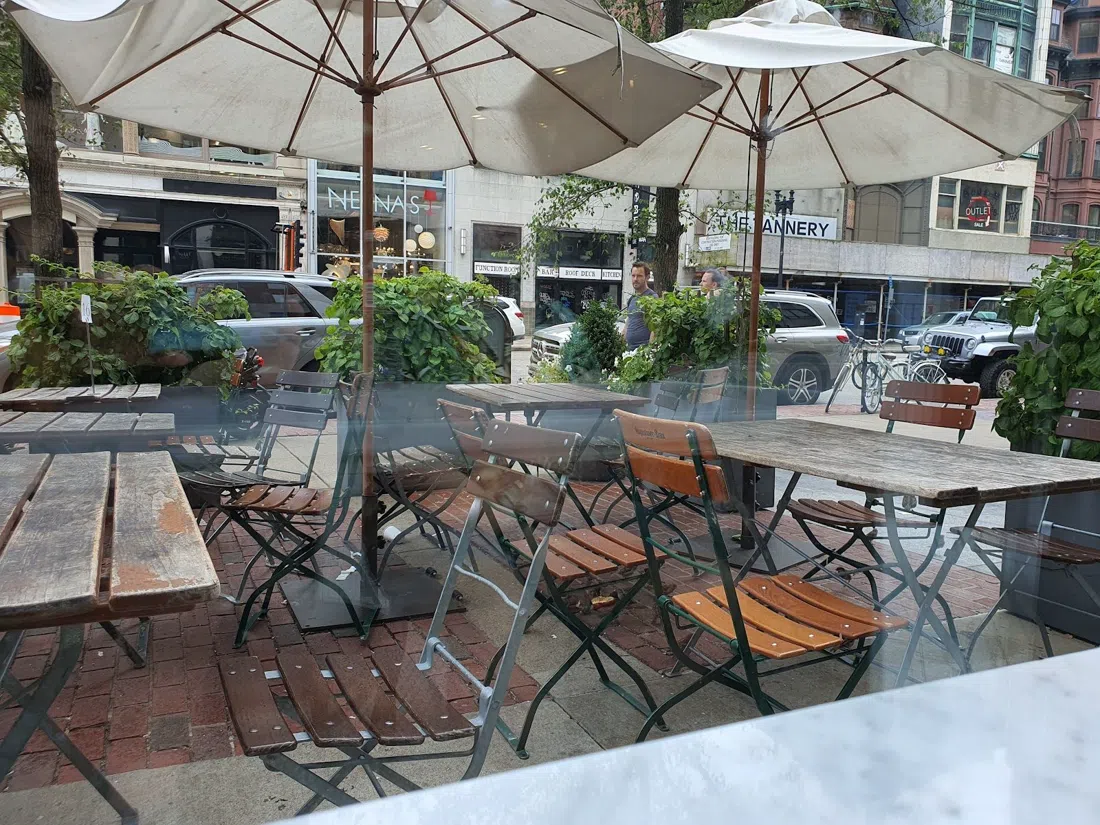
Trident Booksellers & Café (Newbury Street) opens 8am to 10pm daily, which makes it the dependable bookend to a trolley day when the churches and museums are shut. Coffee is around $5, brunch $15 to $20. Weekend brunch queues are real, though the expanded second floor has taken some of the sting out of the wait, and there is a private event space upstairs called The Stacks for a small group. For the start of the day, Tatte Bakery & Café — Back Bay (399 Boylston Street) opens at 7am Monday to Saturday and 7.30am on Sunday, a few minutes from the Arlington T and the eastern end of the loop; pastries around $6, breakfast plates around $15. It is counter service with no reservations, which is fine for two and awkward for eight at peak.

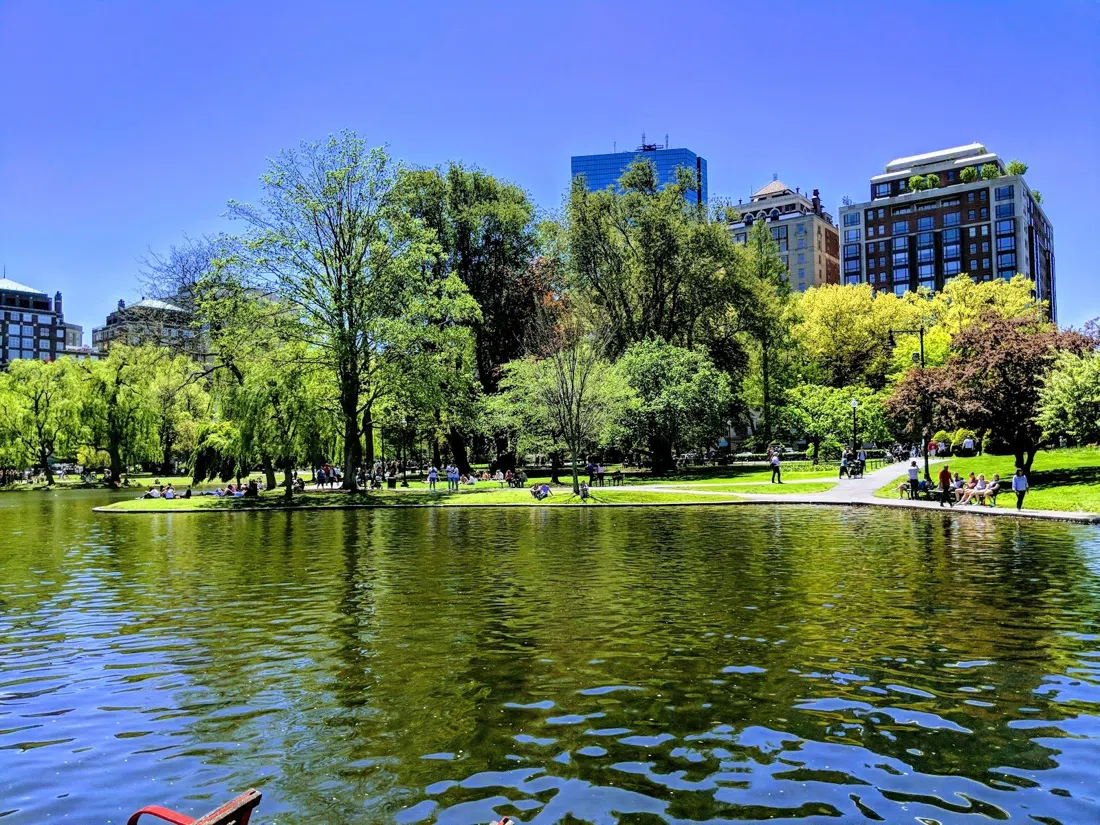
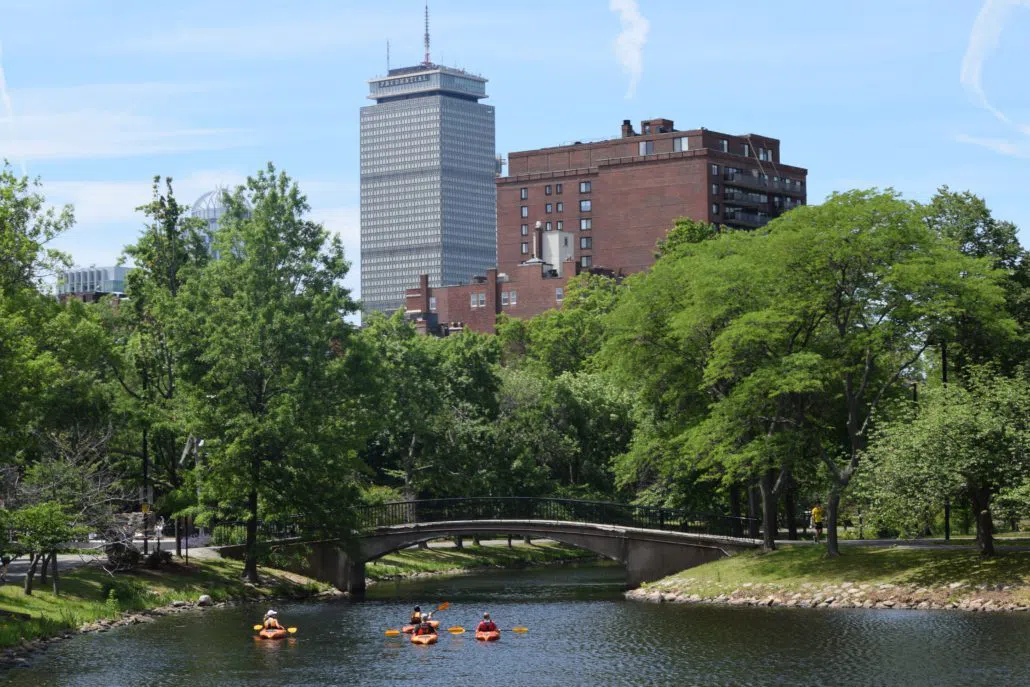
Two open spaces bracket the neighbourhood. Boston Public Garden (between Back Bay and Beacon Hill) is where most trolley itineraries begin or end, and it comes with a September caveat worth knowing: the Swan Boats finish their 2026 season on 7 September, so for most of the month the lagoon is boat-free. The Charles River Esplanade and the Hatch Memorial Shell (river side of Back Bay) is the free counterpoint to a paid viewpoint, reached on foot by the footbridges from Beacon Street. No trolley route drives along it, which is why it stays quiet. The large free Hatch Shell concert season runs July and August rather than September, so come for the river and the walking path instead of a programme.
Tickets at the door against booking ahead
Walk-up works. Both operators sell at the stop, reboarding needs no reservation, and in September you are past the peak-summer crush. Booking ahead buys you two specific things: a held seat on a named day, and a cancellation window if the forecast turns. Given a guided trolley ticket starts from 51 USD per person booked in advance against about $44 at the door for a one-day pass, the sensible rule is to buy ahead if your itinerary is fixed and rain would force a reshuffle, and to buy at the stop if you are flexible. The two-day passes are only worth it if you genuinely intend to ride on both days, and most visitors ride the loop properly once and then walk.
The queue pattern is predictable rather than severe. The Prudential and Copley Square stops are busiest between 10am and midday when the coach arrivals and the walk-ups coincide. Board at 9am or after 3pm and you will usually find a seat outdoors.
Is it worth it, and for whom
Yes for families, for anyone with mobility limits, and for a first visit of two or three days. No for a fit couple staying in Back Bay itself with a week to spend. The neighbourhood is walkable end to end in about forty minutes, so you are not buying distance; you are buying a seat, a commentary, and the removal of navigation decisions. For a family with children who fade after an hour on foot, that is worth $44 several times over. For two adults who will walk Newbury Street anyway and then take the Green Line to the museum, it is a pleasant ride you did not need.
The case for buying it regardless is stop 10. Ride the Orange loop once on arrival, go up View Boston, then plan the rest of the trip from what you saw, and you have used the ticket well. That is the sequence I would repeat.
When to ride it during September
Early in the month you still get warm afternoons and the open deck is the point; by late September the evenings cool sharply and a layer is not optional on the top of a trolley. The weekday-versus-weekend split matters more than the date. Tuesday to Friday, Copley Square is calm, Trinity is open for tours and the Mapparium is running, which is the combination that makes a Back Bay day work. Monday is the weakest day, with Trinity closed to tours and the Mapparium shut, so use a Monday for Newbury Street, the library and the Esplanade, all of which are open or free. Tuesday closes the Museum of Fine Arts, so do not pair the two.
Within the day, ride the loop before 10am while the streets are still quiet, do the ticketed interiors between 10am and 4pm when they are actually open, and save View Boston for the evening: a 9.15pm last entry means you can eat first and still go up. Mid-month, note that the Boston Symphony Orchestra's season opens on 17 September 2026, and if a concert appeals, sort tickets before you arrive rather than after.
Practical notes for the day
Getting here is simple. The Green Line runs under Boylston Street and the Arlington stop puts you at the eastern end of the loop, a few minutes from breakfast and from the Public Garden. Cards work everywhere, including at the trolley stops, and there is no reason to carry much cash beyond small notes for tipping drivers and guides, where a few dollars per person on a good narration is normal here. Reckon on a realistic day budget of roughly $44 to $51 for the trolley, $32 to $48 for View Boston, $10 for Trinity Church, $6 for the Mapparium and $25 to $40 for food, with the Boston Public Library, Copley Square Park, Newbury Street, the Public Garden and the Esplanade costing nothing at all. That is a full day for under $150 a head, and less if you skip the tower.
For where to sleep, the blocks around the Prudential and Copley stops put you on the loop itself, which is the practical argument for staying in Back Bay rather than downtown. Start a Boston hotel search there and work outwards. For what to do with the rest of the trip once the loop has given you the shape of the city, the wider Boston guide covers the neighbourhoods this circuit deliberately leaves out.