The Boston issue
The Freedom Trail at Dawn: Boston's Revolution Without the Crowds
Walk the 2.5 miles of red brick between the State House and Bunker Hill before the tour groups arrive, and the Revolution stops being a script and starts being a place.

By Harriet FenwickReading Boston neighbourhood by neighbourhood
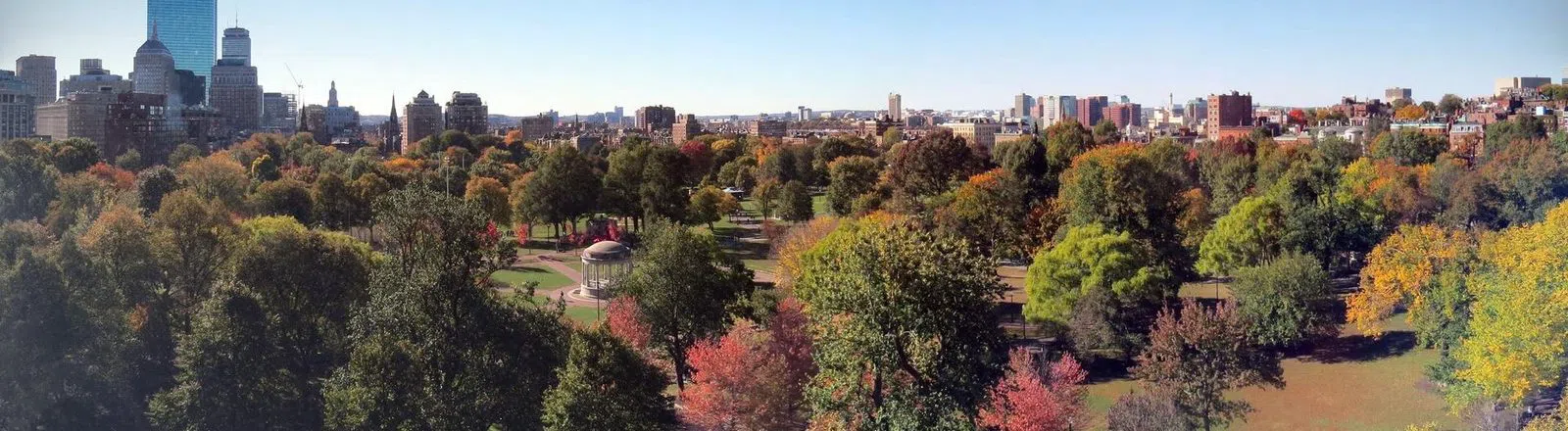
Boston wakes early, but the Freedom Trail wakes later. The tour groups don't lace up until nine, the marketplace stalls don't open until ten, and the guided walks haven't left the visitor centre — which leaves a clear two-hour window between first light and the city's business hours in which the entire 2.5-mile line of red brick belongs, more or less, to you. Walk it now, from the gold dome above Beacon Hill to the granite obelisk above the Charles, and the Revolution reads less like a script performed for coach parties and more like a place where people actually lived, worshipped, argued, and buried their dead.
Boston Common and the State House: Where the Trail Begins
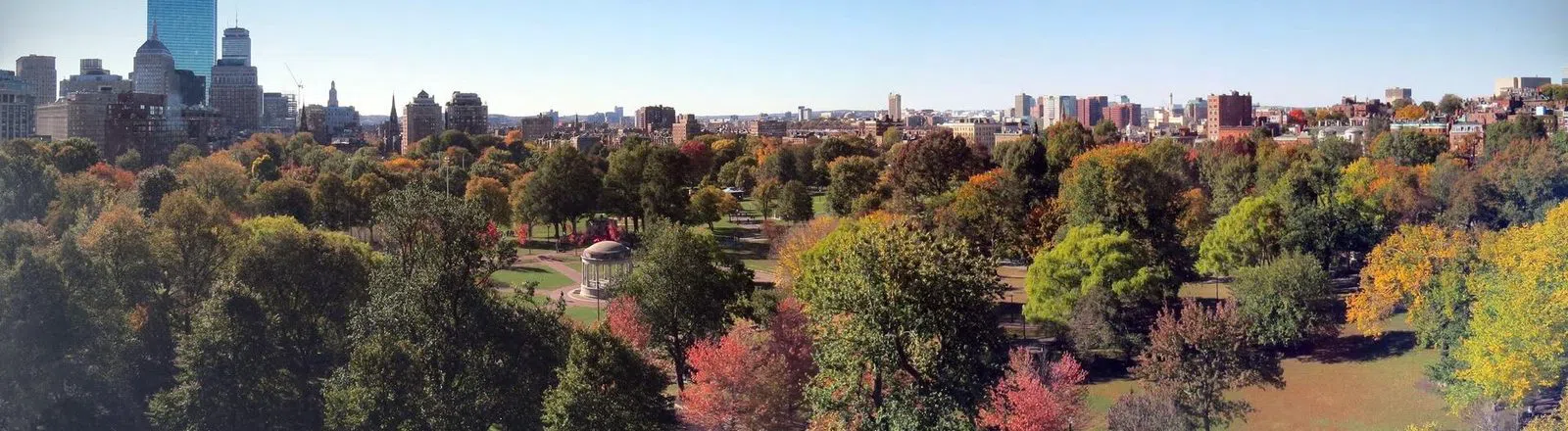
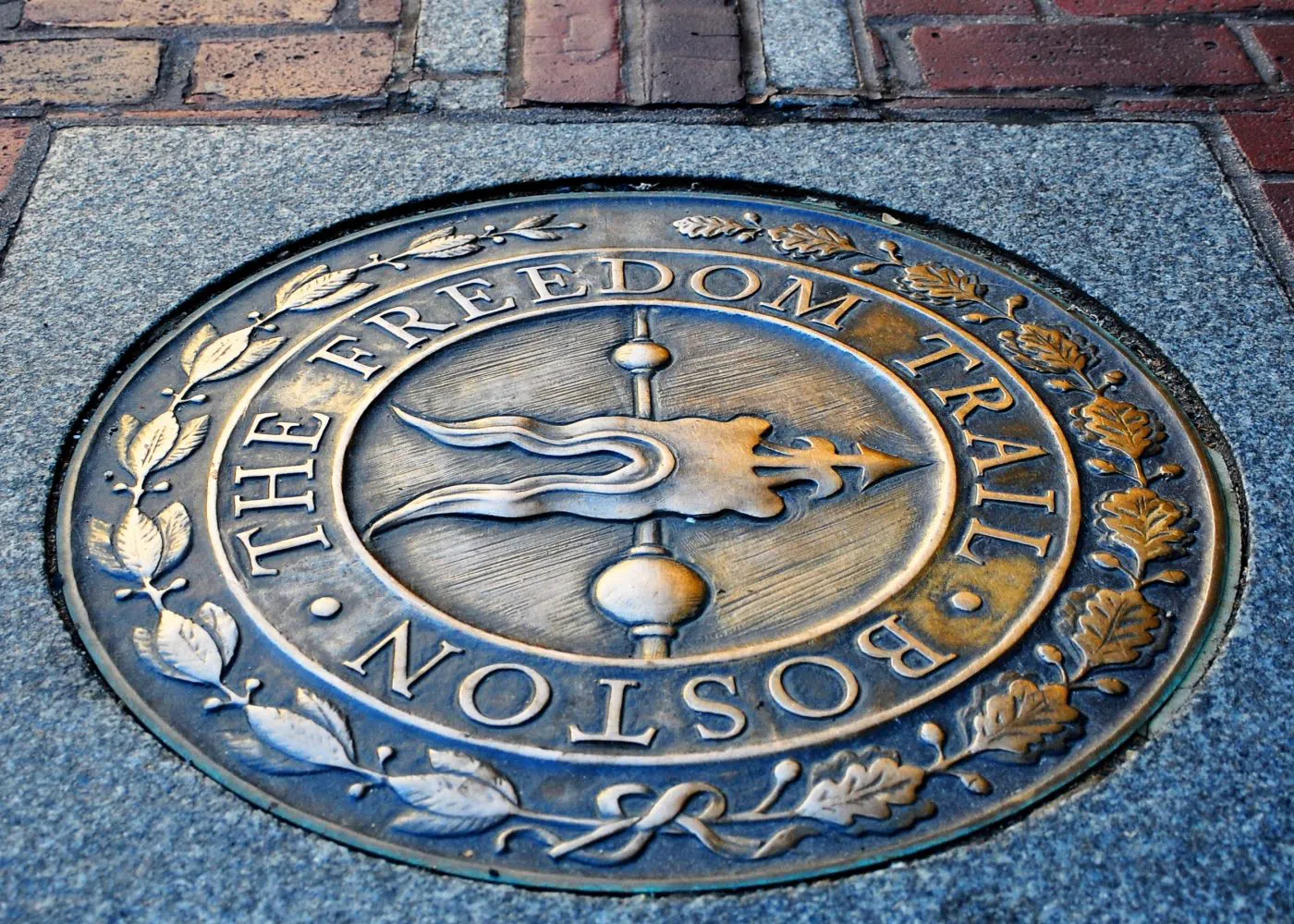
Every version of this walk starts at Boston Common, the 50-acre park on the western edge of downtown that has been public land since 1634 — a fact worth sitting with, since it makes the Common older than the country whose founding the rest of this trail commemorates. There's no gate, no ticket, no opening hour to work around; at dawn it belongs to dog-walkers making their circuits and a scattering of joggers cutting diagonals across the grass, and the red-brick line embedded in the pavement that marks the Freedom Trail proper is easiest to follow when there's no one else standing on it. This is the trail's establishing shot, and it's better empty.
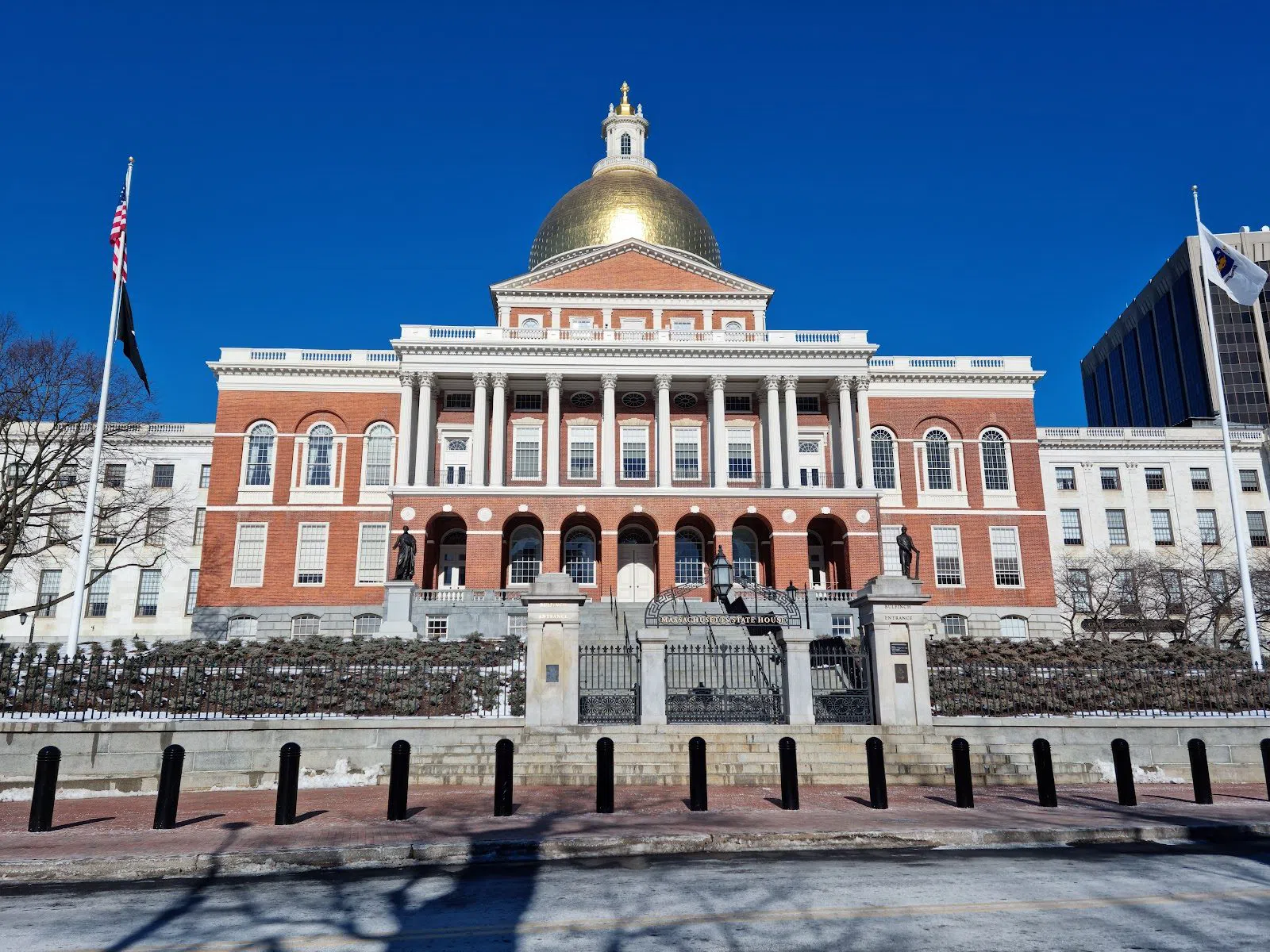
From the Common's northeast corner, the gold-domed Massachusetts State House (Beacon Hill) rises on its low hill, and at dawn this is as close as you'll get to it in any functional sense — the free guided interior tours run on weekday business hours by advance reservation, built for school groups and civic visits rather than anyone up before six. But the exterior, gilded and lit low and gold by the rising sun with almost no traffic on Beacon Street to break the shot, is arguably the single most photogenic moment on the entire route. Come back on a weekday if you want to see Doric Hall and the Hall of Flags; come now for the building itself, alone against the sky.
Plan your Boston trip
Live prices from our booking partners.
Free cancellation on many rooms. We may earn a commission when you book.
Beacon Hill's Quiet Hour: A Church and Two Burying Grounds
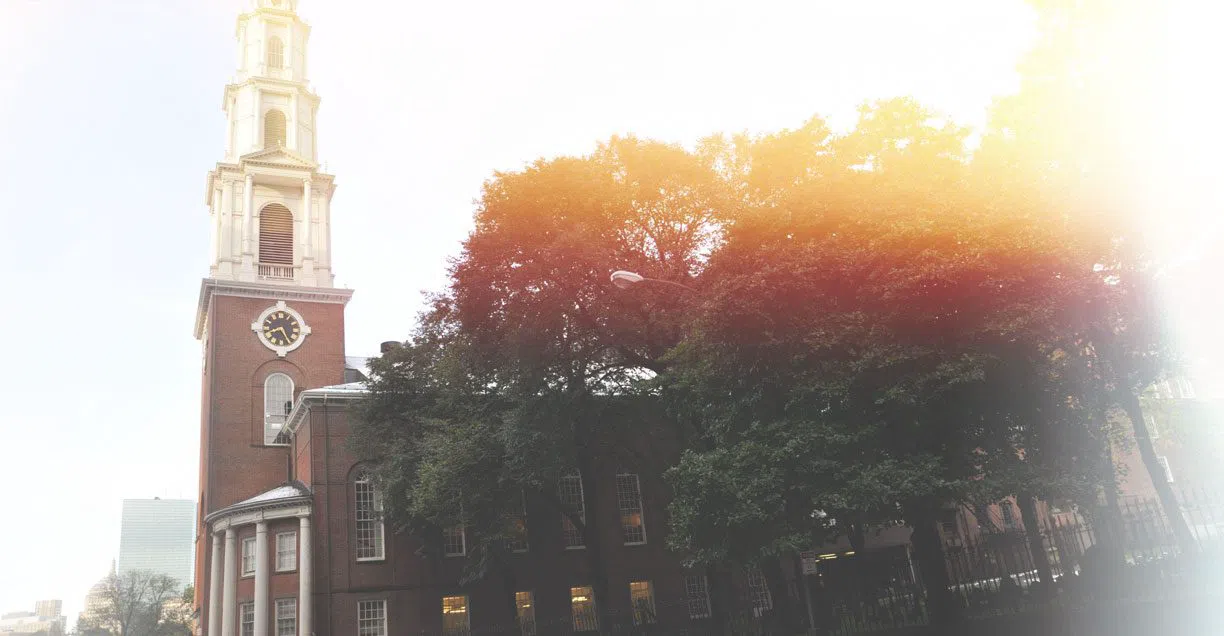
Walk downhill along Park Street and you'll pass Park Street Church (corner of Park and Tremont), a working Congregationalist parish rather than a museum piece — it hosted William Lloyd Garrison's first major abolitionist speech in 1829 and still holds services most Sundays. There's no interior access at dawn, and even the seasonal tower tours only run in summer for small pre-arranged groups, so what you get is the steeple's silhouette against the sky and empty stone steps where, three hours later, there will be a queue for nothing in particular. Take the shot and move on.
Next door is the reason this whole piece exists: the Granary Burying Ground (Tremont Street). By eleven in the morning this cemetery — final resting place for Paul Revere, Samuel Adams, John Hancock, and the five men killed in the Boston Massacre — is genuinely difficult to move through, tour groups stacked three deep around the more photographed headstones. It's free, city-managed, open 9am to 5pm, and takes no reservation regardless of group size, which is exactly the problem at midday. At dawn, an hour or so after opening, it's just slate headstones catching low horizontal light and the kind of quiet that lets you actually read the epitaphs instead of reading the backs of other people's heads. This is the walk's whole argument in one stop.
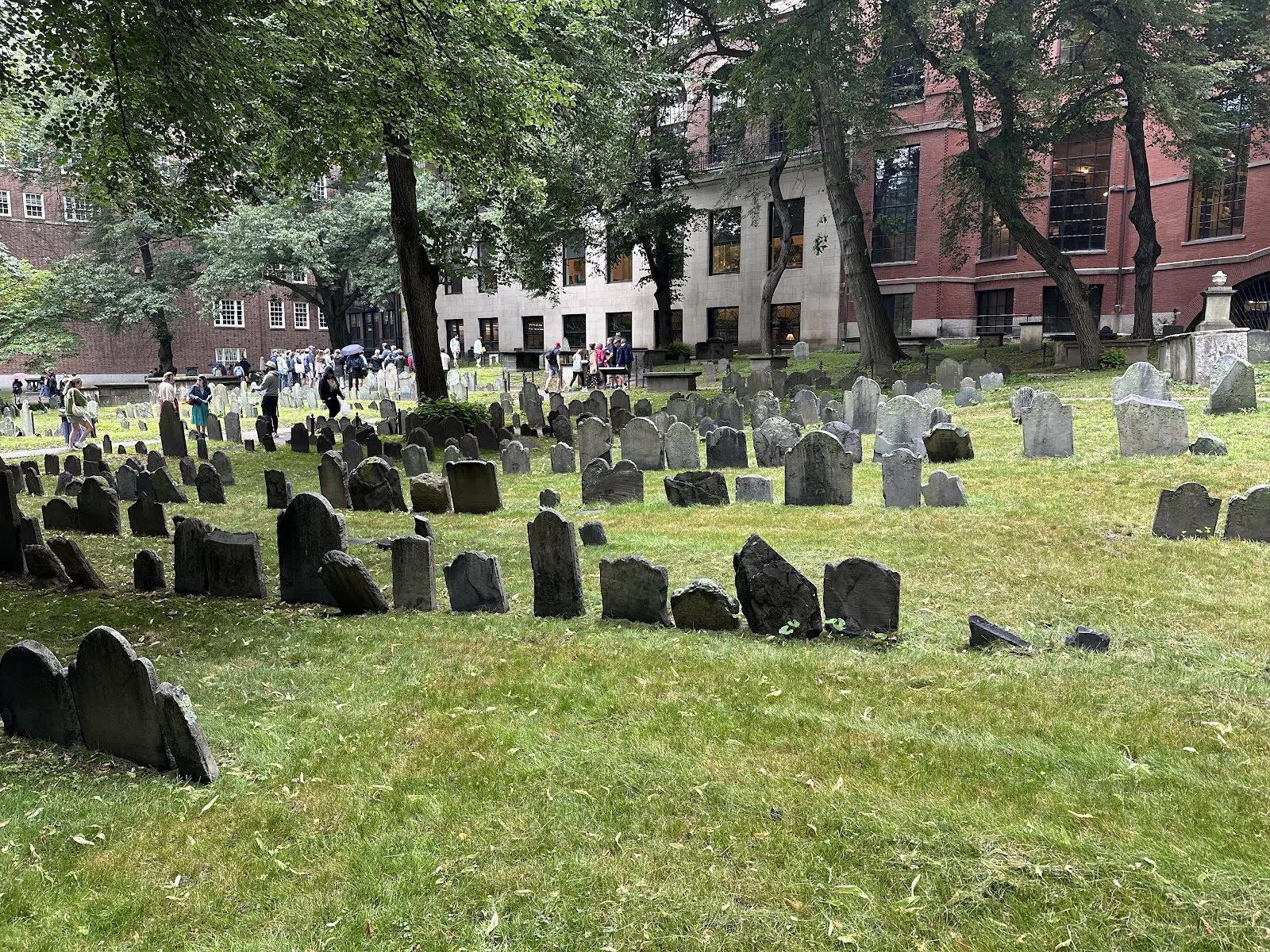
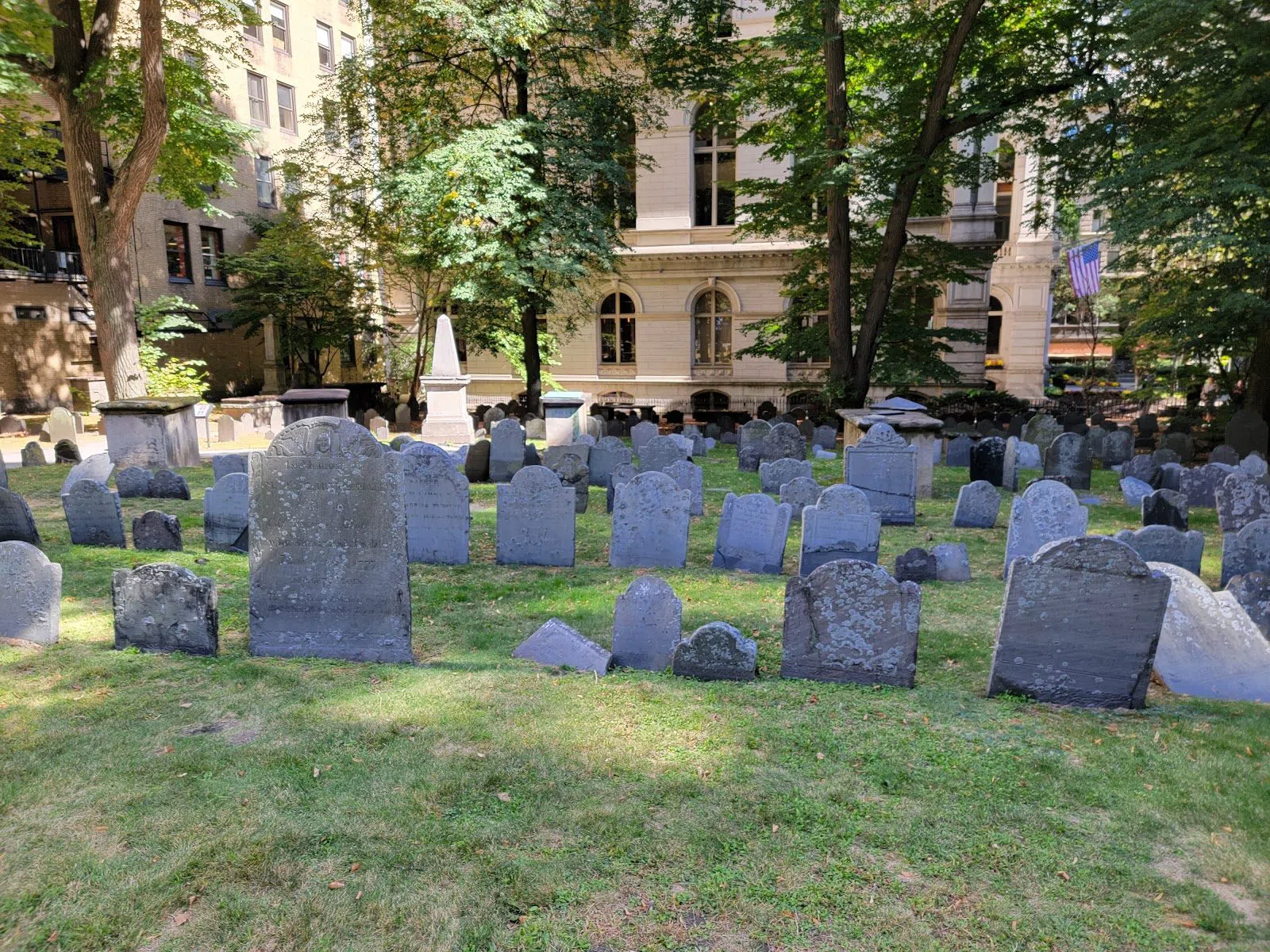
A few minutes further down Tremont, at the corner with School Street, King's Chapel & Burying Ground offers a similar trade. The chapel itself runs guided Bell & Bones tours — including a genuinely striking descent into the crypt — daily from 10am to 4 or 5pm, walk-up tickets, groups welcome, roughly $8 to $20. But the burying ground surrounding it, Boston's oldest cemetery, is unlocked and walkable well before any of that starts, free to view, and at this hour you'll likely have it to yourself. Note the date on the chapel's tour schedule before you plan the rest of your day around it; the graveyard is the dawn stop, the crypt is the mid-morning one.
Downtown's Meeting Houses and Market: Facades First, Doors Later
Continue toward Washington Street and the trail passes three buildings that, taken together, illustrate the piece's central tension most clearly: they're genuinely worth going inside, and none of them are open yet.
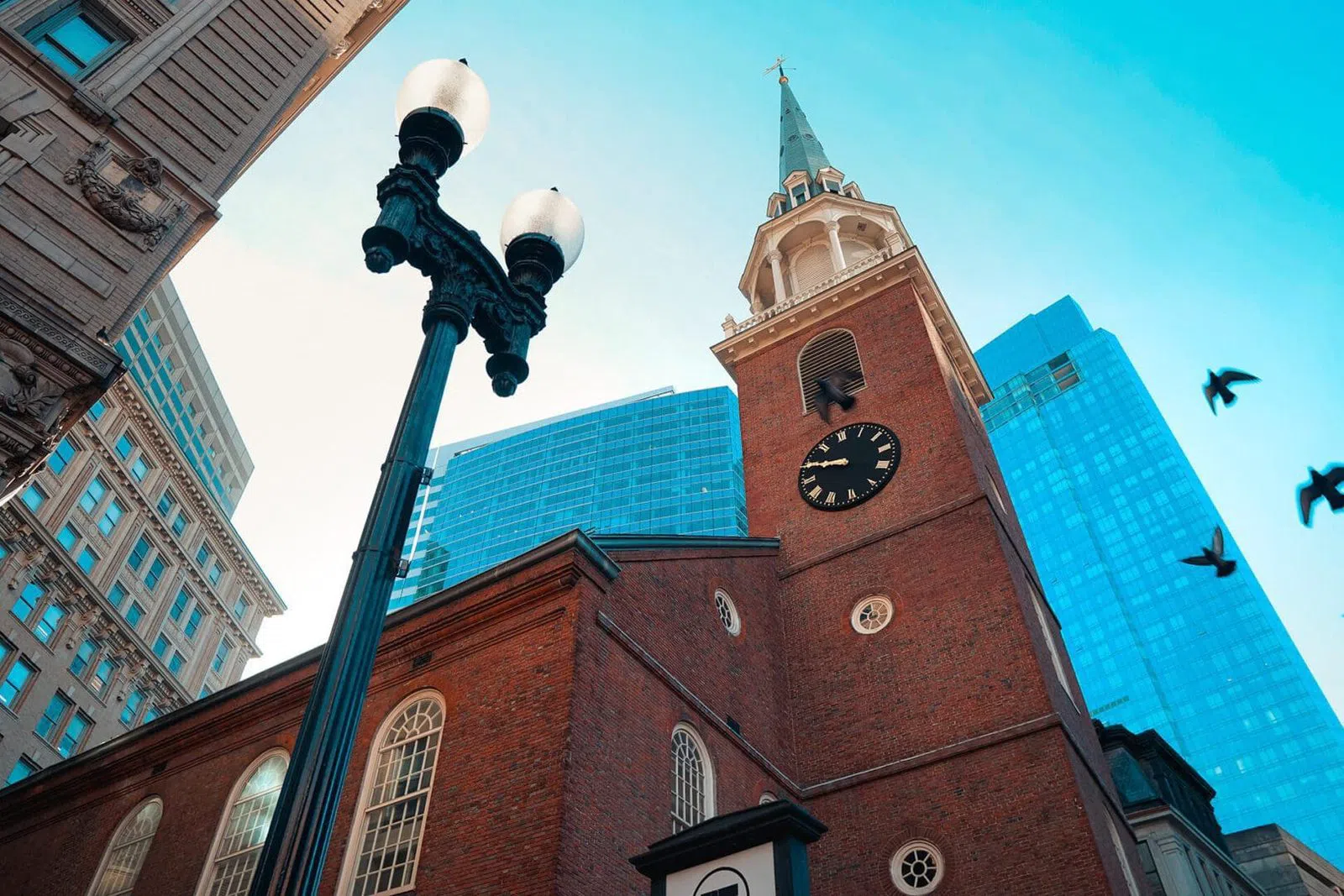
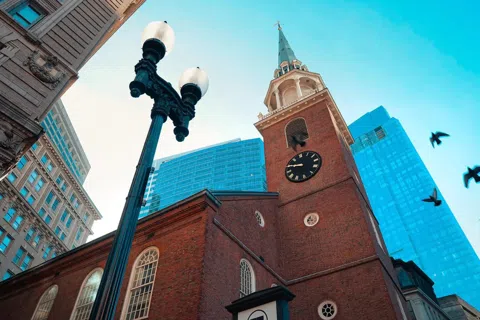
Old South Meeting House (Washington Street, Downtown Crossing), operated by Revolutionary Spaces, is where five thousand furious colonists gathered on the night of December 16, 1773, before marching to the harbour to dump the East India Company's tea. Its interior — galleried, wooden, still fitted with the pulpit from which the meeting was run — doesn't open until 10am, so the dawn value here is purely the exterior facade, worth photographing but worth a mental note to come back later with the roughly $15 joint ticket that also covers the Old State House. It accommodates group and school tickets with advance notice, which matters if you're travelling with a party rather than solo.
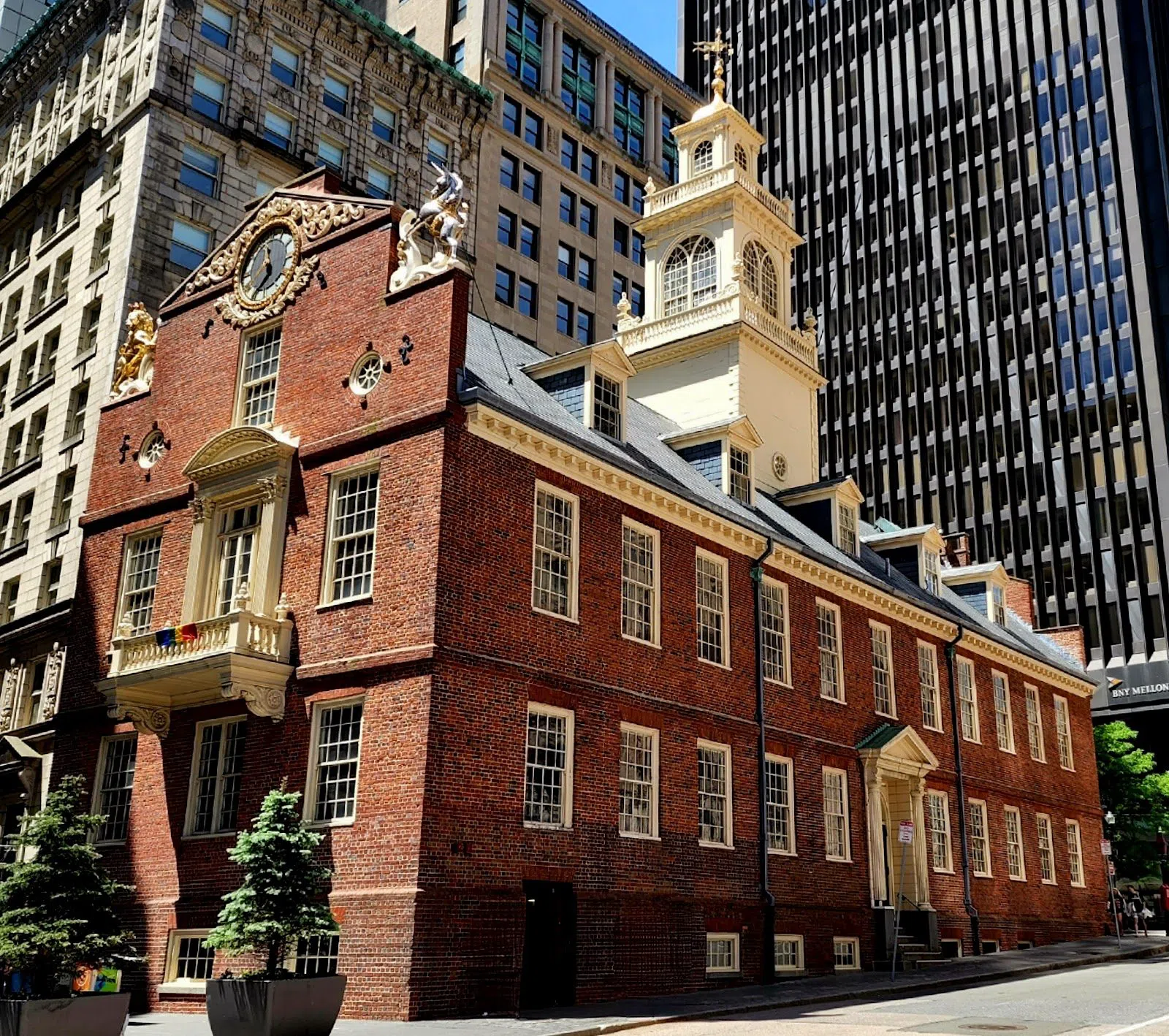
A short walk on, at the junction of State and Washington, sits the Old State House (Financial District), the oldest surviving public building in Boston and the site, on its traffic-island cobblestones below the balcony, of the Boston Massacre marker. That marker sits in the middle of what is, during business hours, one of downtown Boston's busier intersections — cars, buses, pedestrians streaming past a stone circle that is genuinely difficult to photograph, let alone stand on, for most of the day. At dawn, with the street empty, it's one of the few moments on this trail where you can actually stand where the event happened rather than photograph it through a gap in traffic. The building's interior, like its neighbour, opens later and shares the same joint ticket.
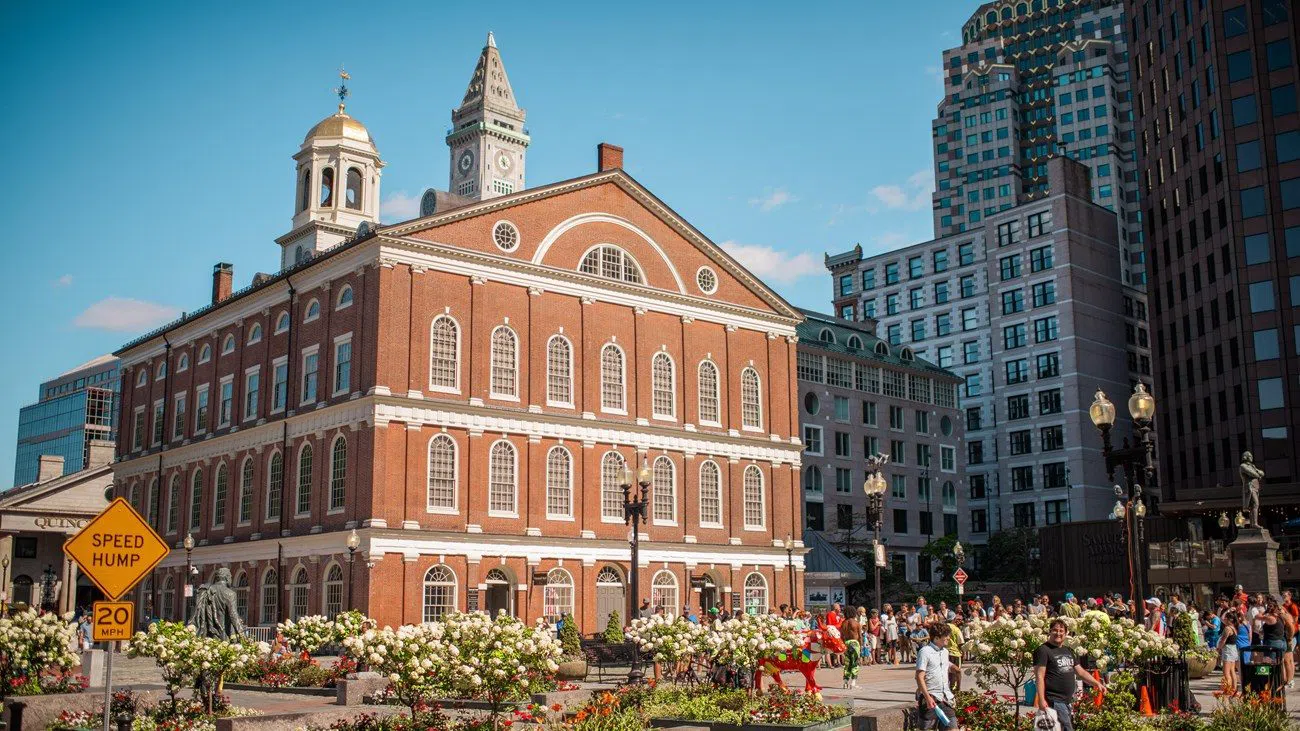
From there the trail curves toward Faneuil Hall (Congress Street), the meeting hall that Samuel Adams and the Sons of Liberty used as a rallying point and that the National Park Service still staffs with free ranger talks Wednesday through Sunday, no registration required, well suited to groups. One honest note for anyone picturing a full marketplace scene: the adjoining Faneuil Hall Marketplace is mid-revitalization in 2026 and looking tired at the edges, worth skipping rather than lingering in. The Hall itself is unaffected — fully open, NPS-run, and at dawn it's simply empty cobblestones and a building that has heard more shouted political argument than almost any other room in the country.
Into the North End: Revere's Doorstep and Old North's Steeple
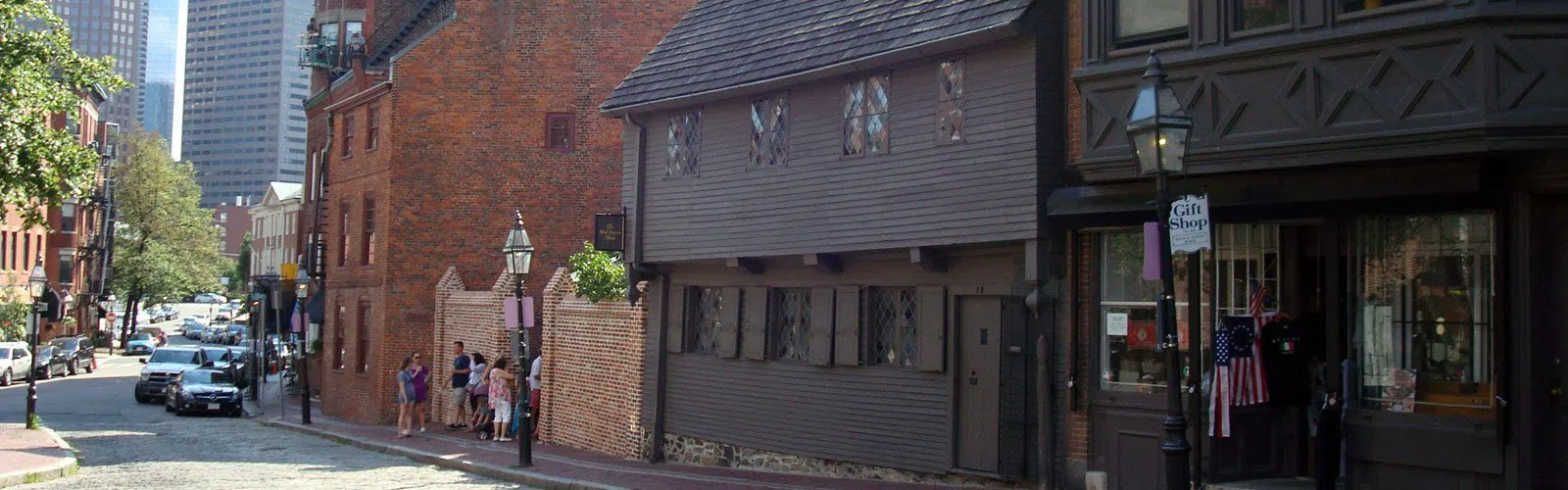
Cross into the North End and the trail narrows into the kind of tight colonial streets that make the neighbourhood feel, even now, more like a village than a district of a modern city. Paul Revere House (North Square) is closed at dawn like most interiors on this route — it opens at 10am, with timed tickets for individuals and required advance reservations for groups — but the cramped, cobbled square it sits on is one of the most atmospheric empty-street shots the whole trail offers before the first tour bus arrives. Come back later for the roughly $6 to $8 self-guided visit; come now for the square itself, with laundry lines and shutters and almost no one else in frame.
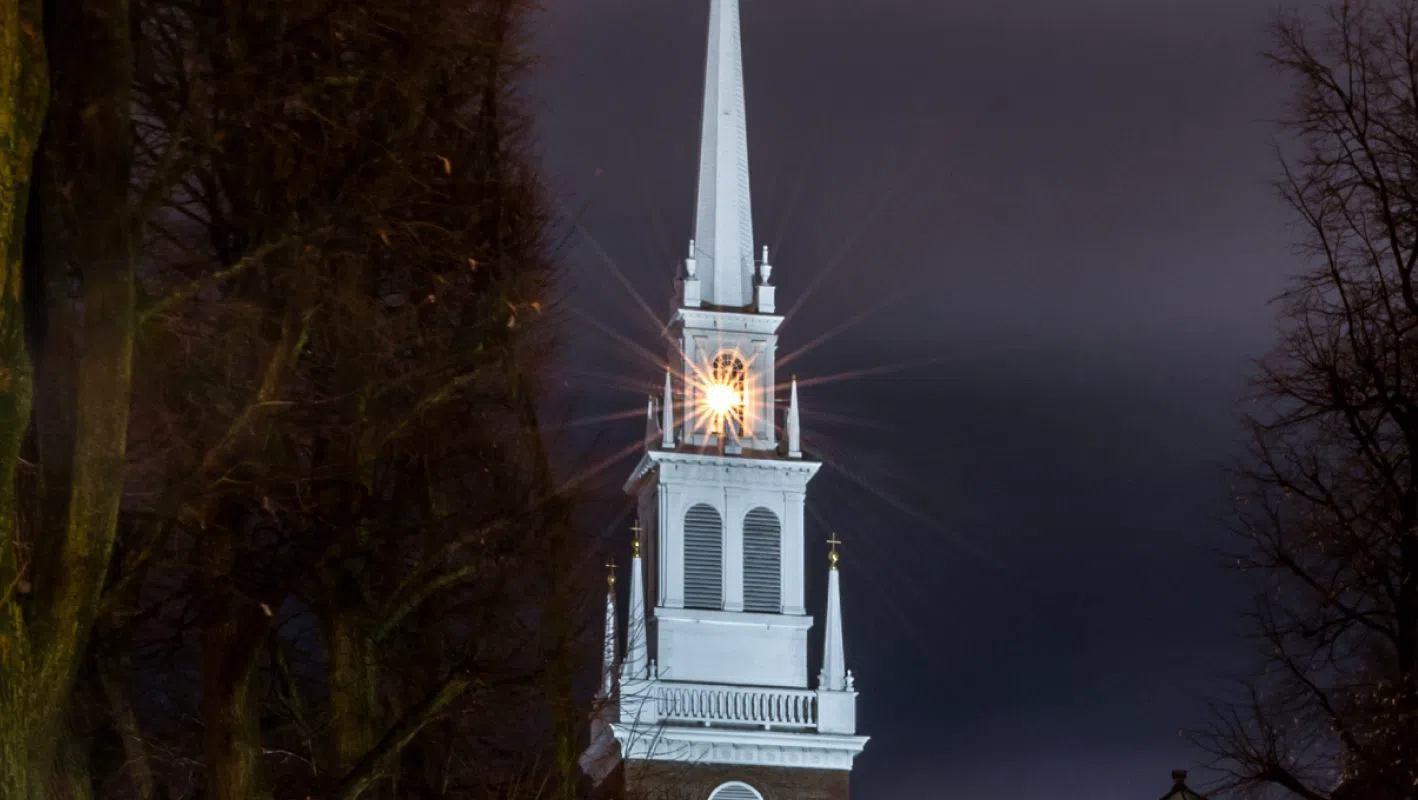
A few streets on, Old North Church (Salem Street) is the trail's genuine 2026 moment: this is the 250th anniversary of the events it's most associated with, and Old North Illuminated has programming built around the milestone, alongside its usual group and school tours and the roughly $30 joint ticket that also covers Old South Meeting House and the Old State House. The church itself opens at 10am on weekdays (12:30pm on Sundays), but the point of visiting at dawn isn't the interior — it's standing on empty Salem Street looking up at the steeple from which, in April 1775, two lanterns signalled that British troops were crossing the Charles by water rather than marching by land. With no crowd and low sunrise light catching the white spire against brick rowhouses, this is the article's money shot, and it costs nothing to see.
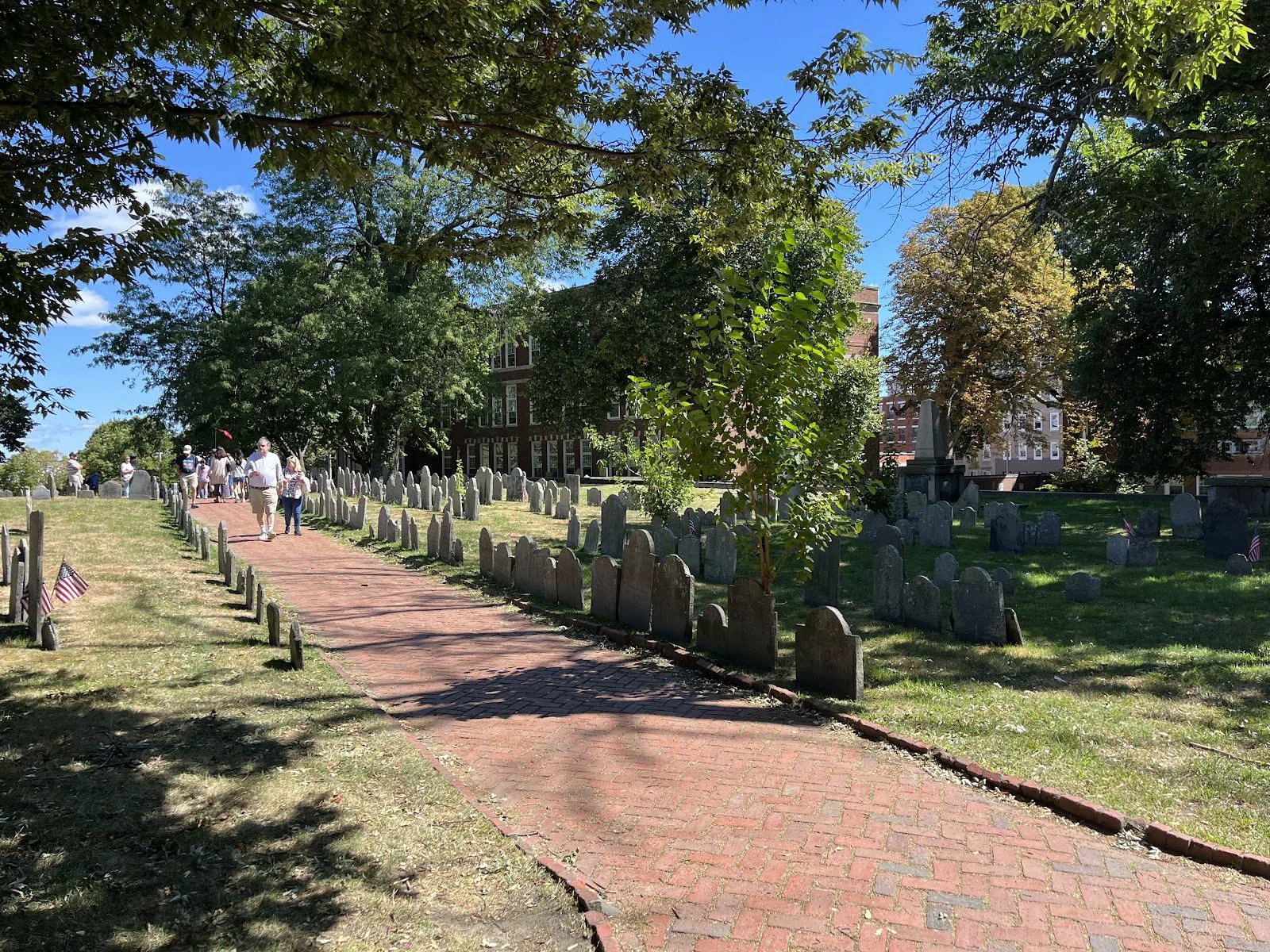
Climb Hull Street to Copp's Hill Burying Ground, Boston's second great colonial cemetery and the highest point on the trail before it crosses into Charlestown. Free, unticketed, no group limit, open 9am to 4pm daily — and crucially, unlike the Granary, it stays genuinely quiet even later in the morning, since it sits slightly off the main tourist flow. At dawn, with harbour views opening up between the headstones, it's worth slowing down for rather than treating as a waypoint.
Across the Bridge: Bunker Hill and the Navy Yard at First Light
The final stretch means crossing into Charlestown, and it's here that the trail's dawn logic pays off most completely, because both remaining stops are essentially unstaffed at this hour and unbothered by it.
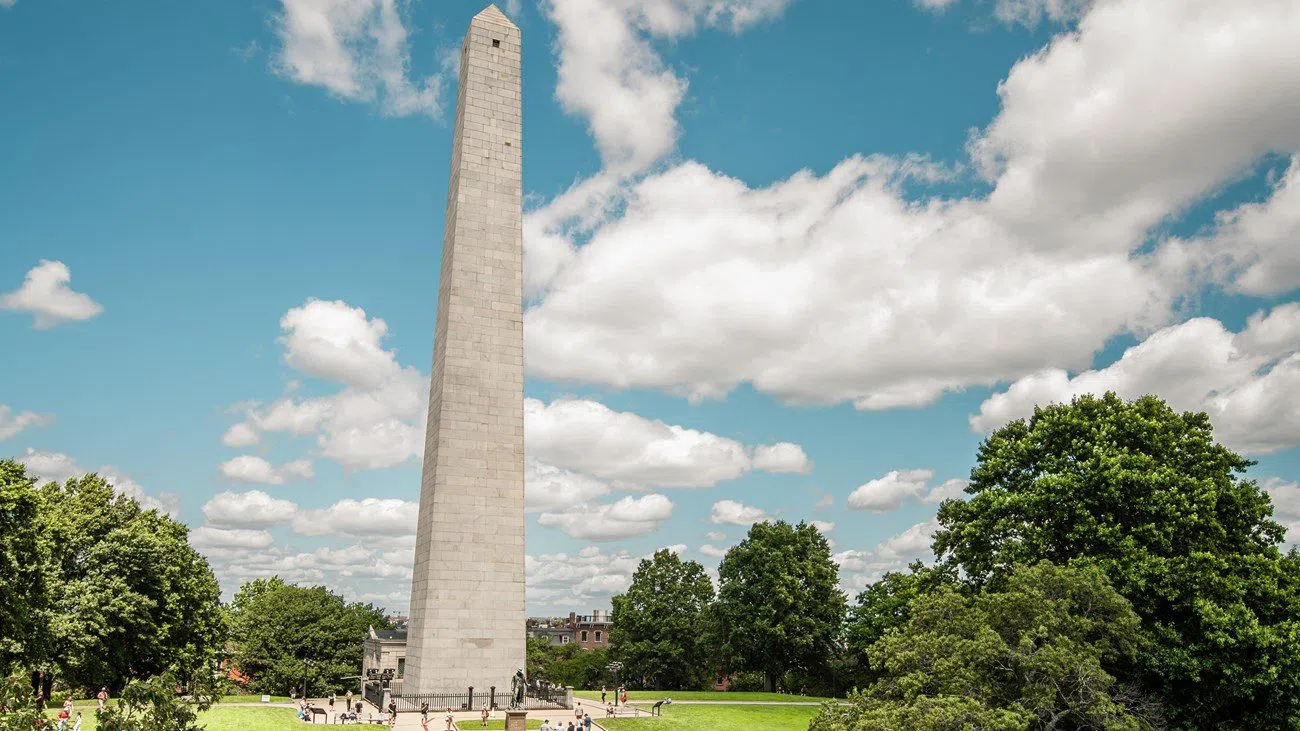
The Bunker Hill Monument (Monument Square) commemorates the June 1775 battle fought on nearby Breed's Hill, and while the climb to the top — limited to 25 people at a time, with seasonal Wednesday-to-Sunday ranger talks in summer — doesn't start until the site opens later in the day, the monument grounds and square around its base are open and walkable well before any staff arrive. Standing at the foot of a 221-foot granite obelisk with no one else around, in a square lined with Federal-era rowhouses, is a genuinely fitting way to close out a two-and-a-half-mile walk through the war's opening chapters.
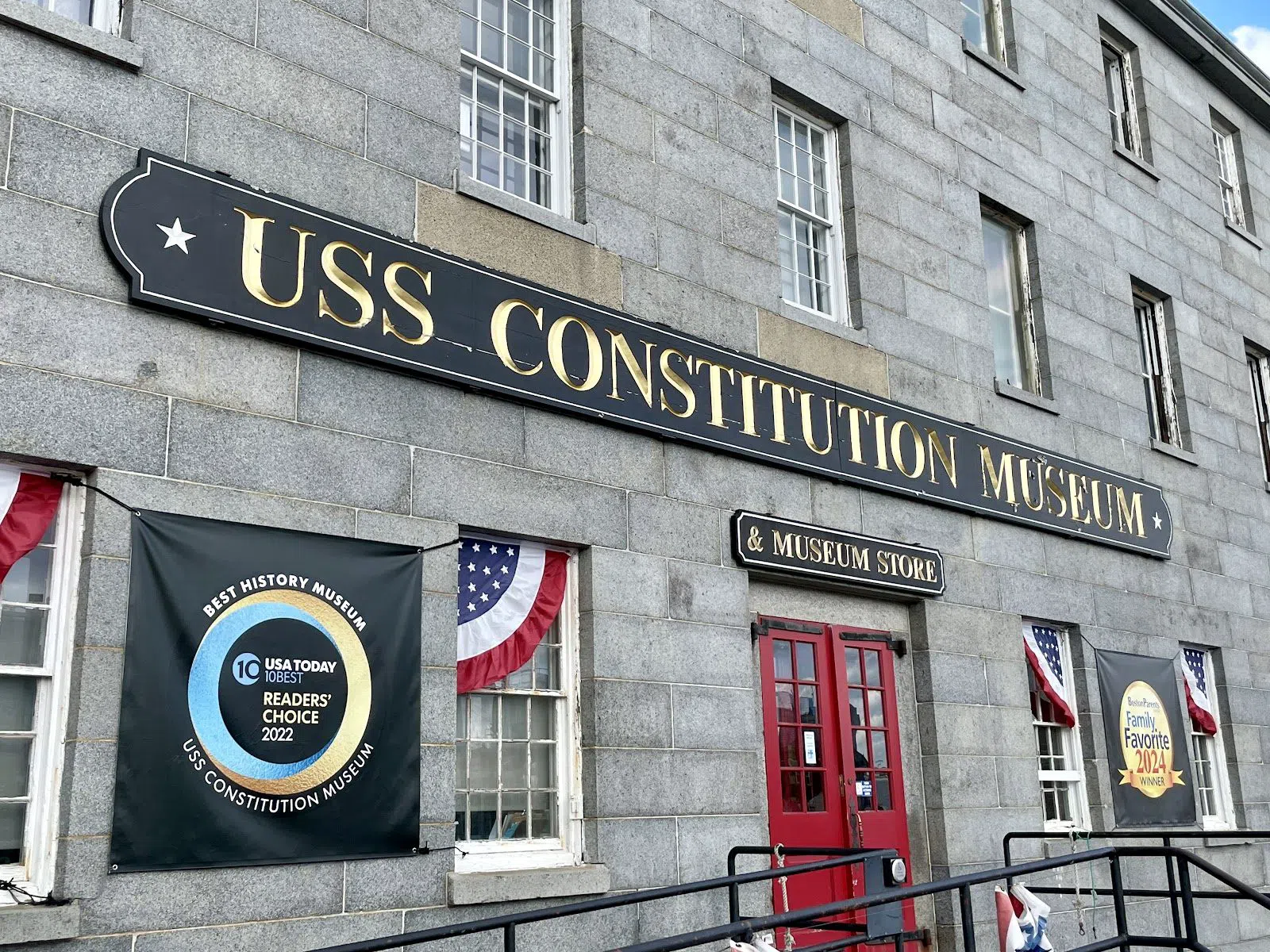
From the monument it's a walk back down toward the water to the USS Constitution (Charlestown Navy Yard), the oldest commissioned warship still afloat in the world. Boarding doesn't start until the ship opens Wednesday to Sunday at 10am, and adult visitors need photo ID to clear the active-duty Navy security check once it does — but the Navy Yard grounds around the ship are open 24 hours, so at dawn you can walk right up to the hull with almost no one else present, an oddly still, slightly surreal way to end a walk that began with dog-walkers on the Common three hours and 250 years earlier.
If You'd Rather Be Guided
Everything above assumes you're walking this alone or with a small group, at your own pace, before the guides start their day. If that's not the plan — if you're travelling with a larger party, prefer narrated history to self-directed reading, or simply want the official version — The Freedom Trail Foundation's Walk into History Tour runs multiple public departures daily along roughly the same eleven-site route, at about $18 to $20 per adult, with private and group rates available on request for schools and corporate parties of any size. It's a legitimate, well-run way to see the trail. It is also, by definition, not this walk — the entire premise here is covering the same ground before those tours have left the visitor centre.
Practical Matters: Getting There, Timing, Cash, Budget
The trail is walkable in either direction, but starting at Boston Common and finishing at the Navy Yard follows the historical chronology and means your last stretch is the flattest. The MBTA's Park Street station, served by the Red and Green lines, sits right at the Common and is the easiest way in if you're not staying within walking distance — for that, a Boston hotel search turns up several options around Beacon Hill and Downtown Crossing that put you within ten minutes of the start. At the far end, the Charlestown Bridge walk back into the North End is straightforward, or you can pick up the Community College Orange Line stop near Bunker Hill Monument, or catch the Charlestown ferry from the Navy Yard back to Long Wharf if it's running at the hour you finish.
Timing depends on the season: in high summer, sunrise is close to 5:15am, which means you can realistically finish the whole route before 8am with the streets still nearly empty; in winter, sunrise closer to 7am compresses your quiet window but still gets you through the burying grounds and Old North's steeple before the first coach tours arrive around 9. Either way, aim to be walking by first light rather than after it — the value of this route decays fast once the city's actual morning starts.
Budget for the walk itself is effectively zero: the Common, the burying grounds, Faneuil Hall, and the Bunker Hill and Navy Yard grounds are all free and unticketed at dawn. Carry a little cash or a card regardless, since if you loop back later for interiors — the King's Chapel crypt tour, the Old South/Old State joint ticket, Old North's roughly $12 entry or $30 joint ticket, Paul Revere House's $6 to $8 — most now take cards, but cash still smooths things at walk-up ticket booths during busy periods. None of the dawn stops themselves require you to spend anything at all. For the fuller context on where to eat, sleep, and spend the rest of your trip, the Boston guide covers the city beyond this one trail.
Before you go
What time should I start the Freedom Trail to avoid the crowds?
Aim to be walking by first light — around 5:15am in high summer, closer to 7am in winter. Most tour groups and guided walks don't start until 9am, and interiors along the trail generally open at 10am, so a dawn start gives you a genuine two-hour window with the outdoor sites to yourself.
Which Freedom Trail sites can you actually go inside at dawn?
None of the ticketed interiors — the State House, Old South Meeting House, Old State House, Paul Revere House, and Old North Church all open on normal business hours, generally 10am. What's open at dawn are the outdoor, unticketed sites: Boston Common, the Granary and Copp's Hill burying grounds, King's Chapel's graveyard, Faneuil Hall's exterior and grounds, Bunker Hill Monument's square, and the Charlestown Navy Yard grounds around the USS Constitution.
Is the Freedom Trail suitable for a self-guided walk, or should I book a tour?
It's entirely walkable self-guided — the trail is marked by a continuous red-brick line in the pavement — and that's the only way to see it near-empty at dawn. If you'd rather have narrated history and don't mind other visitors, the Freedom Trail Foundation runs public guided walks daily from around $18 to $20 per adult, plus private group rates.
Do you need to book anything in advance for a dawn Freedom Trail walk?
No — every site that's actually accessible at dawn (the Common, both burying grounds, King's Chapel's graveyard, Faneuil Hall's grounds, Bunker Hill Monument's square, and the Navy Yard) is free, unticketed, and open without reservation. Advance booking only becomes relevant later in the day, for interior tours and for group visits to sites like Paul Revere House and Old North Church.
How long does the Freedom Trail take to walk end to end?
The marked route runs about 2.5 miles from Boston Common to the Charlestown Navy Yard. Walked briskly with stops for photographs but no interior visits, it takes roughly two to three hours — comfortably doable in the window between sunrise and the city's 9-to-10am opening hours.