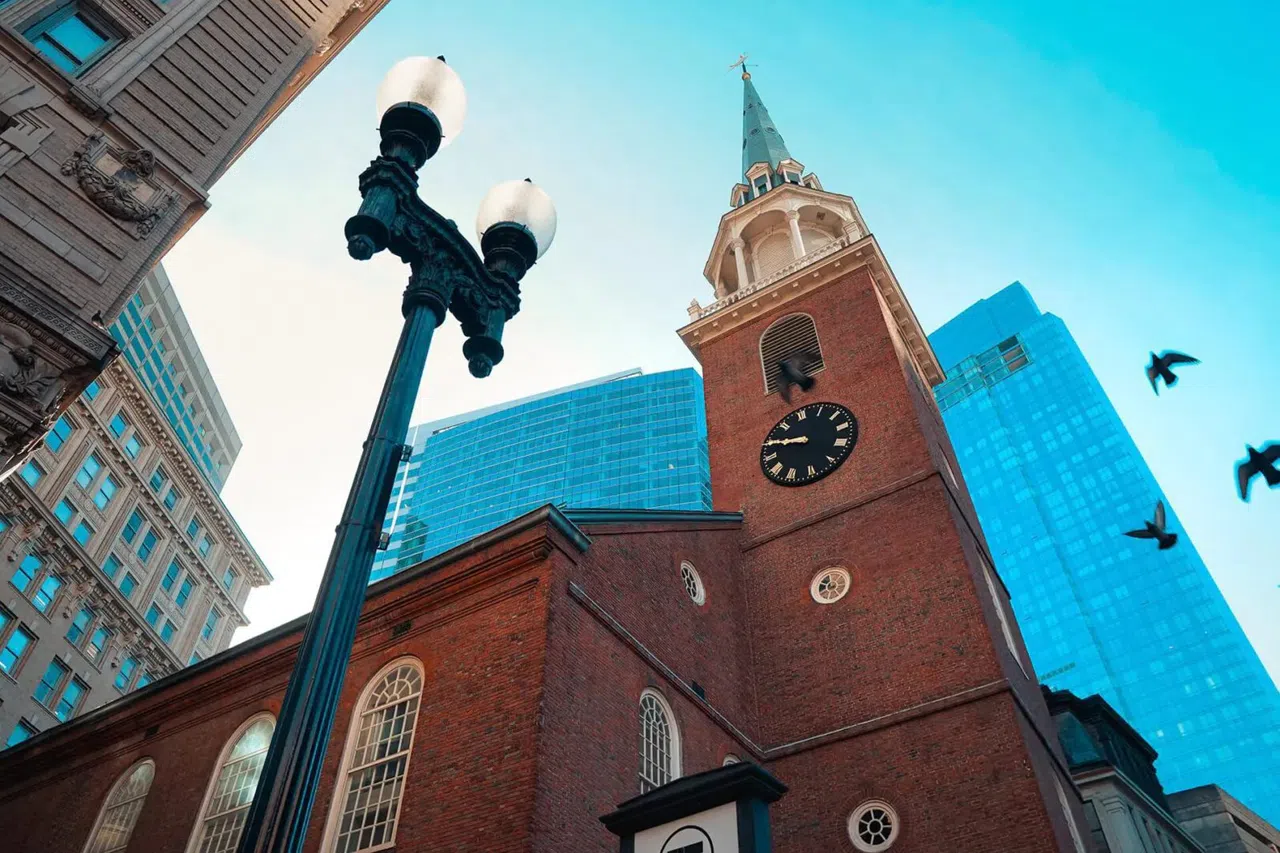

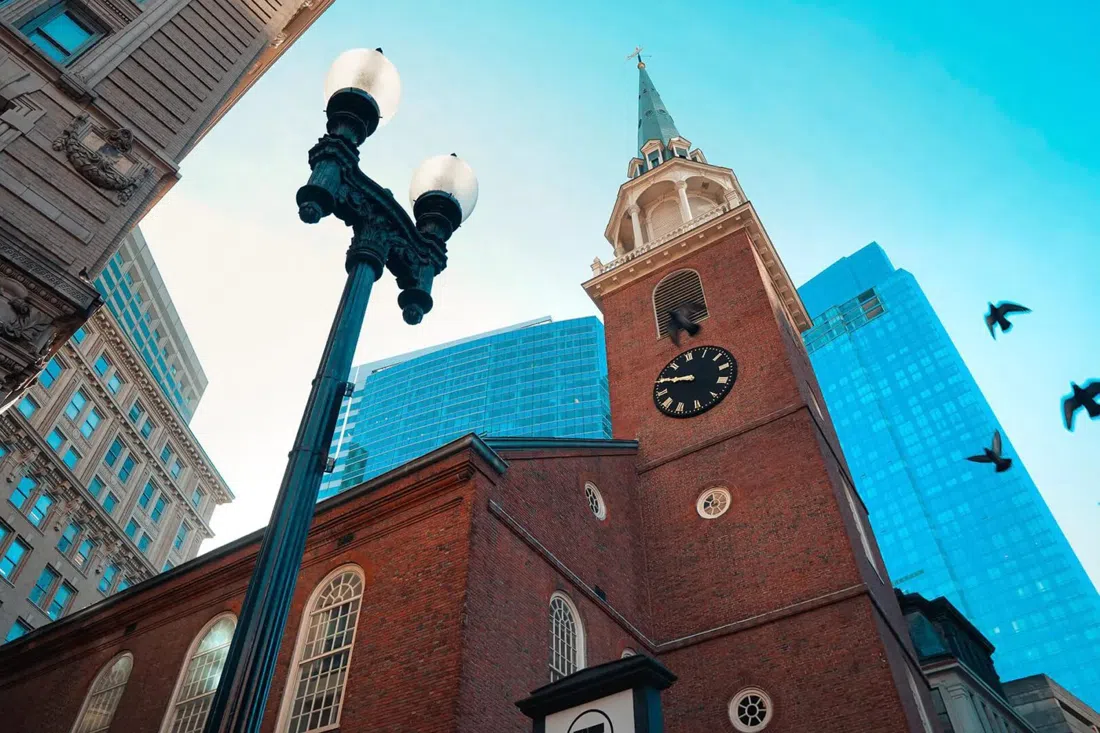
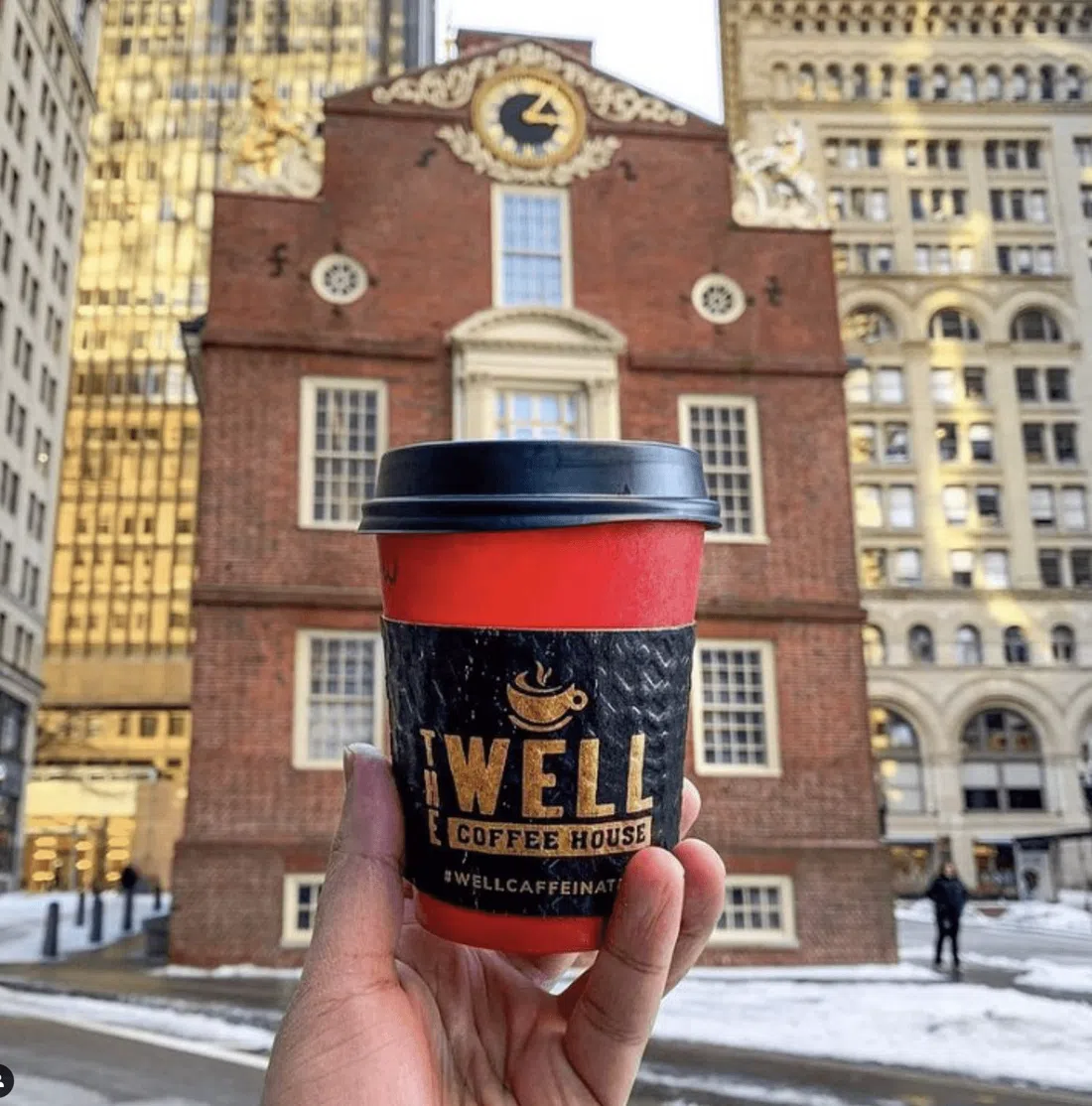
The Old State House sits in a well of office towers at the head of State Street, a small brick box with a lion and a unicorn on its gables and a subway entrance cut into its flank. Traffic goes round it the way water goes round a stone, and most people photograph it from the pavement and carry on walking. The hour inside costs eighteen dollars and answers the two questions the outside raises: what happened on the cobbles below, and what was said in the room above.
What you are standing in front of
Old State House (Downtown, at the head of State Street, where Washington Street crosses) went up in 1713 as the seat of colonial government in Massachusetts, and it is the oldest surviving public building in the city. Merchants traded on the ground floor. The royal governor and his council met upstairs, and the elected assembly sat at the other end of the same floor, which is the whole political argument of the eighteenth century laid out in one building plan.
Two dates do most of the work. On 5 March 1770 a confrontation between a crowd and a British sentry on the street outside ended with soldiers firing; five men died. The cobbled circle set into the traffic island in front of the building marks the spot, and you will usually find someone standing on it being photographed without much idea of what it is. On 18 July 1776 the Declaration of Independence was read aloud to the town from the east balcony, and the royal lion and unicorn were pulled off the gables and burned in the street the same day. The pair up there now are replacements.
Afterwards the building did what old buildings do. It became a city hall, then commercial offices, and by the late nineteenth century it was close to being cleared away for something taller. It survived, and today it is run as a museum together with one other building a few minutes' walk south. If you searched for the state house in Boston and found pictures of a gold dome on a hill, that is the newer one, built at the end of the 1790s and still the working seat of state government. This is the older building, and it is the one on the Freedom Trail line in the pavement.
What the hour inside actually contains
The museum is open seven days a week, 10:00 to 17:00. Adult admission is $18, seniors $16, youth aged 6 to 17 $10, and under fives go free.
What you get for that is three things. The first is the Council Chamber upstairs, a restored room of panelling and hard chairs where the governor's council sat, and where the argument about who Boston answered to was conducted in person rather than in pamphlets. The second is the balcony room at the east end, which puts you behind the window the Declaration was read from; you look down the length of State Street towards the water, the same view that made this the right building to read it from. The third is Ruckus!, an immersive show about the shooting on the street outside, staged rather than narrated. It is the part most visitors remember, and the ticket covers it, with no upgrade to buy and no timed supplement at the desk.
Allow an hour. You can do it in forty minutes if you skip the show, and you will not naturally stretch it past ninety unless you read every case label. That is honest rather than dismissive: it is a small building, the exhibits are tight, and the density is the point. Go in with the idea that you are visiting two rooms and a performance, not a large collection, and the hour lands well.
Tickets at the door and the case for booking ahead
You can walk up and buy a ticket. The rooms are small, so what limits you is not a queue snaking down State Street. It is the capacity of a staircase and a chamber that hold a limited number of bodies at once. Arrive at 10:00 when the doors open, or after 15:00, and you get the Council Chamber closer to empty. The middle of the day is when the walking-tour groups come through on the Trail.
Groups of ten or more get a discounted rate, arranged in advance by email to [email protected] rather than at the desk. Do that properly if you are travelling with a coach party or a school; turning up as fifteen people and trying to negotiate on the spot is how you end up standing on the pavement.
If you would rather have the building explained by a person, guided options that take in this stretch of the Trail are bookable ahead and start from 62 USD per person. They are confirmed manually by the operator, so allow up to 48 hours rather than arranging one over breakfast on the morning. The land-and-water option that pairs the historic core with a river splashdown runs a season from 13 September to 10 October 2026, worth knowing if your dates sit at the back end of that window.
The other building on your ticket
The same $18 covers Old South Meeting House (Downtown Crossing, on Washington Street), five minutes' walk away, same hours, same group arrangement through the same booking address. A lot of people never use the second half of their ticket, which is a waste of a good room.
It is a plain, tall, galleried meeting house, and on the night of 16 December 1773 the mass meeting held inside it broke up and went down to the wharves to throw tea into the harbour. Standing in it is a quieter experience than the Old State House: fewer people, more benches, better acoustics, and somewhere to sit down, which after a morning on the Trail matters more than you expect. Do the Old State House first, while you have the energy for the show, then walk south and sit.
Downhill to the water
State Street runs downhill to the wharves, which is why the September pairing that works best is history in the morning and a boat in the afternoon. Most of the water options close for the season in October, so a September trip sits near the end of the line rather than the start of it.
Boston Harbor City Cruises — Long Wharf (Waterfront, ten minutes downhill) is the default operator: a ticket centre open daily 09:00 to 19:00, narrated harbour cruises several times a day through the autumn at roughly $35 to $45 for ninety minutes, and the same dock handling whale watch trips, the island ferries and larger group charters. If you want one booking that covers a party of twenty, this is the desk to talk to.
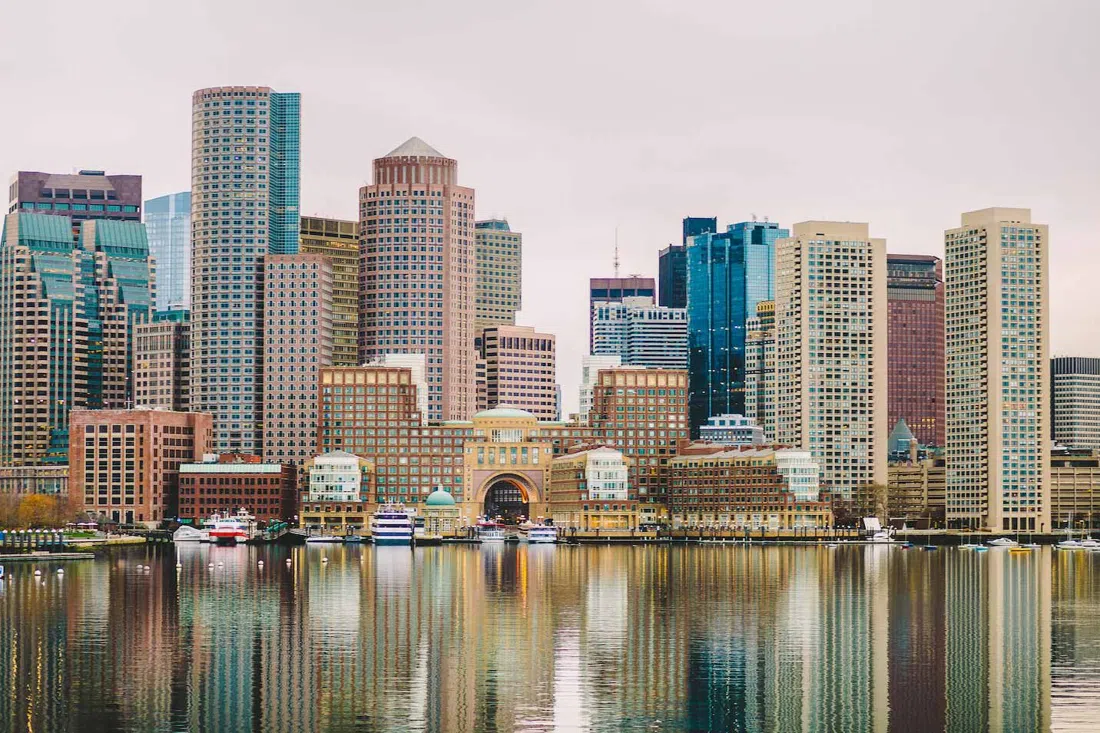
Liberty Fleet of Tall Ships (Seaport, Fan Pier Marina) is the one boat on the water that is genuinely sailing rather than motoring, from $35 for a day sail and from $68 at sunset, running roughly May into early or mid October. The September evening light is its argument. People get caught out by the dock: it sails from Fan Pier now, not Long Wharf, so check your ticket and walk the right way round the harbour.

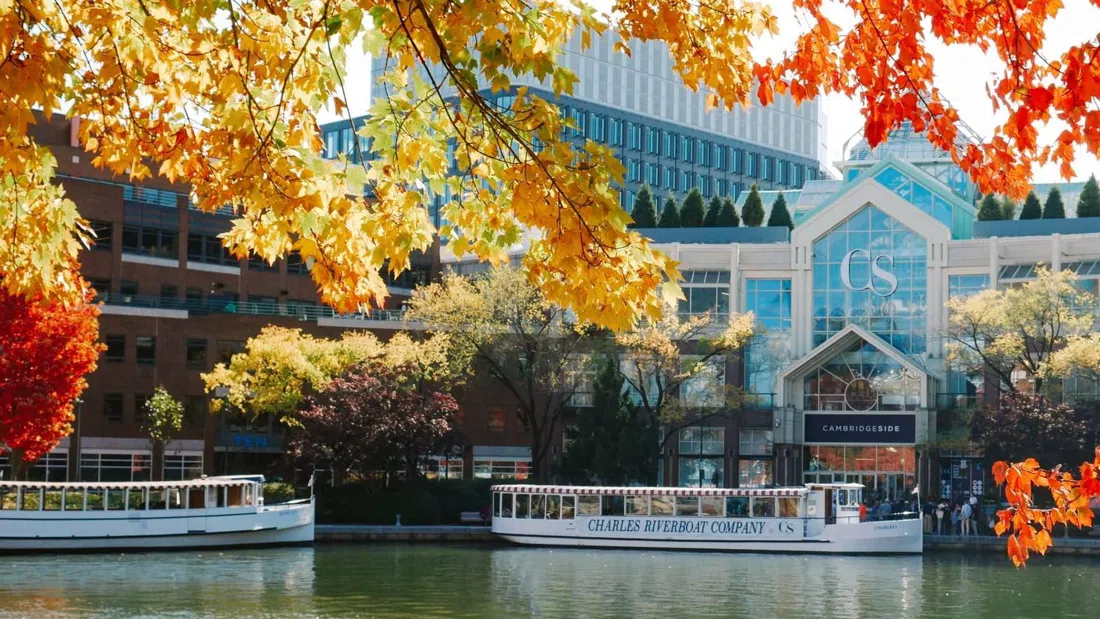
Charles River Boat Company (on the Charles River basin, a short ride from downtown) gives you the opposite view, Beacon Hill and the university campuses upstream instead of the wharves, with departures at 12:30, 14:00 and 15:30 daily to October, around $25 to $35 for the seventy-minute tour. The longer locks cruise runs ninety minutes and takes you out through the river dam lock, which is the only way to watch that cycle from inside it. Group tours are bookable.
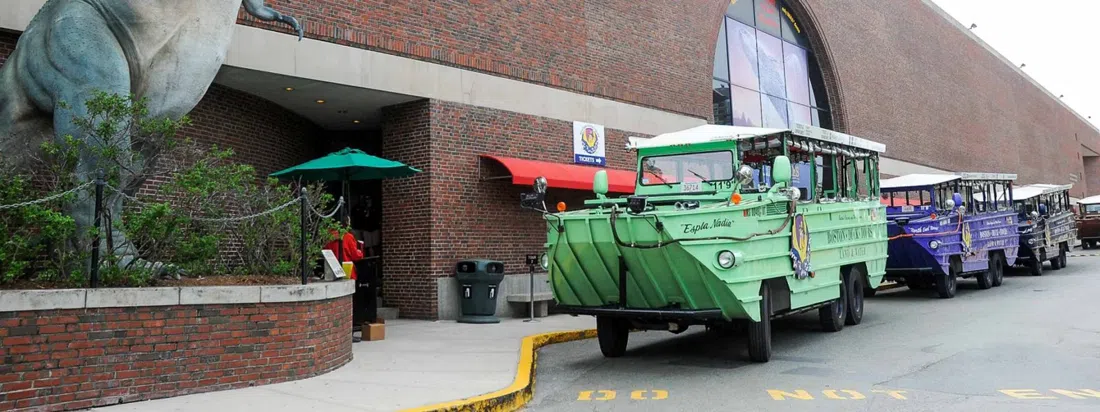
Boston Duck Tours (departures from the Museum of Science, the Prudential Center and the Aquarium) is eighty minutes, hourly from 10:00 until an hour before sunset, around $60 for an adult. The Museum of Science departures carry GPS audio in nine languages, which makes it the straightforward choice for a mixed-nationality group, and the splashdown into the river is the only land-and-water route in the city.
Boston Harbor Islands National and State Park (Georges and Spectacle Islands, ferries from Long Wharf North) is the trip that puts you ashore rather than round in a loop. Roughly $25 to $30 return, island entry free, and the payoff is the tunnels and casemates of Fort Warren on Georges Island. Book the return leg, watch for occasional service changes around harbour events, and note that the season closes in October.

Where to eat, wait and find a toilet
The Well Coffee House — State Street (Financial District) is next door to the museum and opens at 07:00 on weekdays, 08:00 on Saturdays, which solves the early start before a 09:00 departure. It is a tiny room: fine for two or three, hopeless for a coach party.
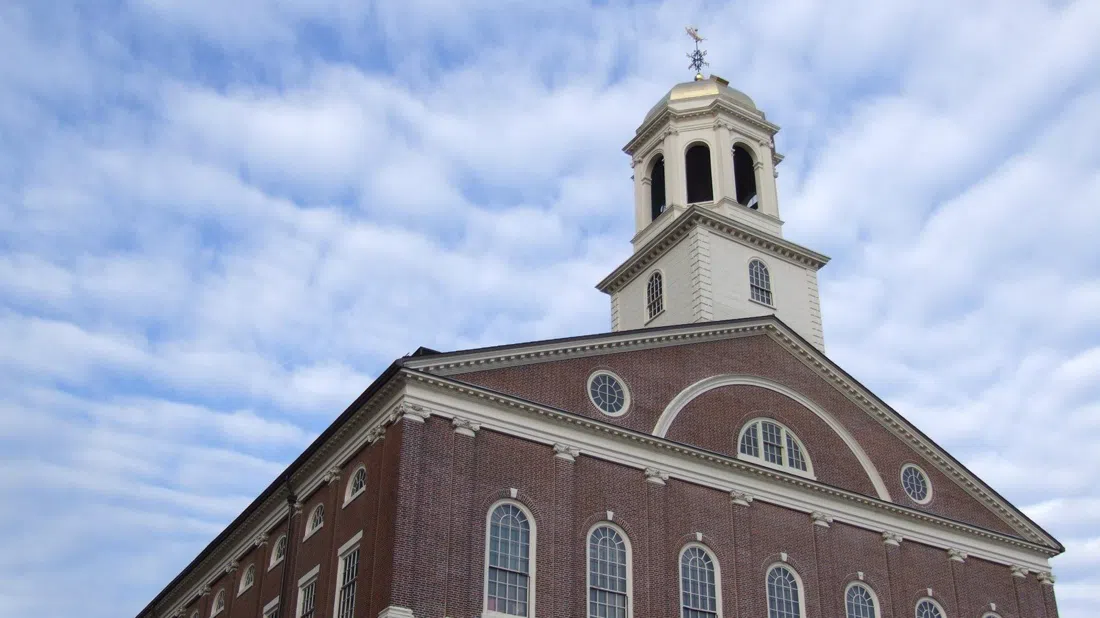
Faneuil Hall (Government Center, two minutes north) is free, needs no ticket, and is the most useful building in this part of town. The Great Hall is open whenever no city event is booked, rangers give talks Wednesday to Sunday on the half hour, and the National Park Service visitor centre downstairs has clean toilets and staff who answer questions properly. Groups walk in, but the hall can close at short notice for an event, so treat it as a bonus rather than a fixture.
Quincy Market Colonnade (Faneuil Hall Marketplace) is the oldest and largest food hall in the country and the obvious chowder-and-lobster-roll stop before a boat, at $8 to $25 a head. Walk-in only. It is shoulder to shoulder at lunch; go at 11:00 or after 14:30, and if you are a group, split up and regroup at the rotunda benches rather than trying to hold a table.

Boston Public Market (Haymarket) is the calmer alternative: Monday to Saturday 08:00 to 20:00, Sunday from 09:00, free entry, no group limits, all New England producers, $5 to $20 a head, and considerably more room to sit. It is the better breakfast before a morning departure.

Christopher Columbus Waterfront Park (Waterfront, thirty seconds from the ticket kiosks) is where to spend the twenty minutes before a sailing instead of standing on the dock. Free, open all hours, room for a group, a trellis for shade, and the same harbour view you are about to pay for.
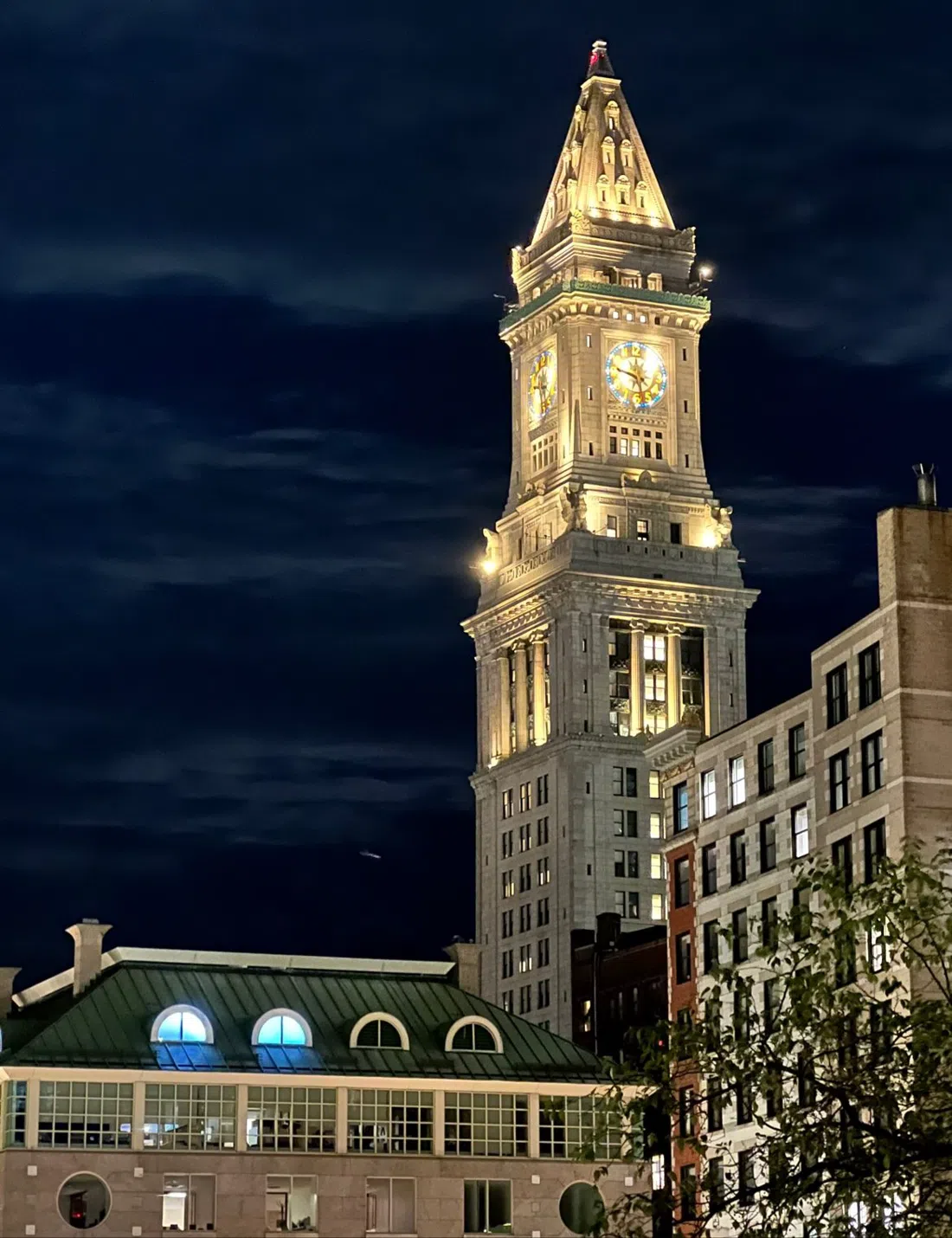
Custom House Tower Observation Deck (Financial District) opens daily at 14:00 except Fridays, weather permitting, and it is free. The catch is the eight-person cap and the requirement to reserve 48 hours ahead by phone; no backpacks. It cannot absorb a group, but for a couple it is the one place you see the wharves laid out before you board, so fix it when you fix your dates.
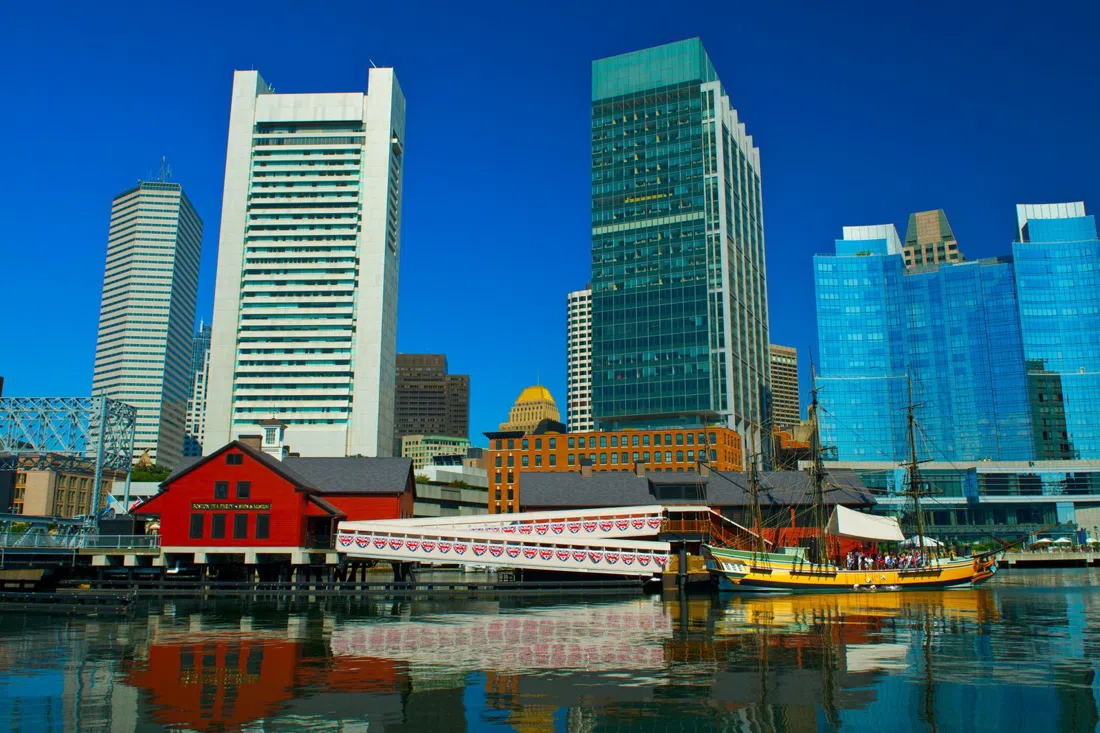
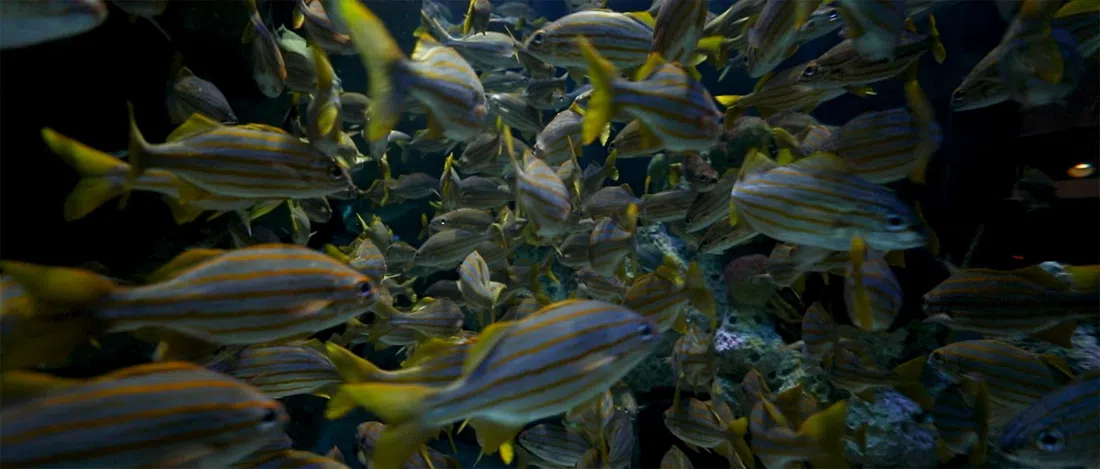
Two larger attractions sit within the same few hundred metres. New England Aquarium (Central Wharf) runs 09:00 to 17:00 on weekdays outside the summer extension, around $40 with timed entry, two minutes from the cruise docks, with a beer garden and a café outside for the wait; a whale watch ticket takes $3 off admission. Boston Tea Party Ships & Museum (Fort Point Channel, on the Congress Street Bridge) is daily 10:00 to 17:00, $35 adult, $39 on peak days, $26 for children aged 3 to 12, and every visit is a guided hour on a timed departure, so turning up unbooked on a busy afternoon can mean a wait. It pairs logically with Old South Meeting House: you hear the meeting that started it, then you throw the tea.
Is it worth eighteen dollars
Yes, with a clear idea of what you are buying. You are buying one restored chamber, one balcony, one staged show and a tight set of exhibits, plus a second historic building down the road on the same ticket, for less than half what the waterfront museums charge. For that price the hour is good value, and the building is the reason the street exists in the shape it does.
It suits people who want the history explained rather than gestured at, families with children old enough for a staged shooting scene to register as history rather than fright, and anyone walking the Trail who would rather go inside one building properly than photograph six from outside. It suits travellers on a tight budget, because the ticket covers two sites. It suits groups less well than it suits pairs: the rooms are small and the staircase is the bottleneck.
It is a poor choice if you want a big collection to spend an afternoon in, or if stairs are a problem. The access note below covers that.
When to go in September 2026
September is the month the city is most comfortable to walk: the summer crowding thins after Labor Day, the light lasts into the evening, and the harbour is still fully operating before the autumn shutdowns begin in October. That last point should shape your itinerary. The tall ship season runs to early or mid October, the river boats stop at the end of October, and the island ferries close in October, so anything on the water should be done on this trip rather than left for the next one.
Within the week, a Tuesday, Wednesday or Thursday morning is the quietest run at the Council Chamber. Within the day, be at the door at 10:00 or come back after 15:00, and avoid the 12:00 to 14:00 band when the walking groups and the lunch crowd overlap on State Street. Rain changes nothing indoors and everything on the water; the harbour cruises are exposed, so keep a flexible day for a boat if the forecast is unsettled.
A clean September day looks like this. Coffee on State Street at 08:30, the Old State House at 10:00, Old South Meeting House at 11:15, an early lunch at 11:45 before the food hall fills, Faneuil Hall and the visitor centre at 13:00, the waterfront park at 13:40 and a harbour boat at 14:00. That is a full day with no rushing and no backtracking, and it ends with the wharves lit sideways.
Practical notes
Getting there is easy enough that you should not overthink it: the subway runs directly beneath the building, with an entrance in the building's own flank, and the whole itinerary above is walkable. The museum to the wharves is ten minutes downhill, the museum to Old South Meeting House five minutes. The only stretch needing transport is the Charles River departure point.
Cards are taken everywhere that matters, including museum admission and cruise tickets. Carry a small amount of cash for market stalls and tips. Prices are quoted here in US dollars, which is what you will be charged in.
On access: there are stairs to the upper floors of the Old State House and no obvious way around them, so check access in advance rather than on the day if steps are an issue. Ask about the same at your cruise dock, since gangways vary with the tide.
On budget, an honest day here runs roughly $18 for admission covering two historic buildings, $8 to $25 for lunch, and $25 to $45 for a boat, which puts a full day of history and harbour somewhere around $60 to $90 a head before dinner. Add around $60 if you want the land-and-water tour instead, or $40 for the aquarium. For where to sleep within walking distance of all of this, start with a Boston hotel search, and for the rest of the city beyond this square mile, the Boston guide covers the areas this piece does not.