
Boston
Boston is defined by its frictions.
Guests & rooms
The Boston guide
An insider’s read on Boston
BBoston is defined by its frictions.
Founded by Puritans in 1630, Boston became the crucible of the American Revolution, a history still etched into its winding, non-grid streets. Over the centuries, waves of Irish and Italian immigration reshaped its political and cultural landscape, creating a distinct working-class grit that coexists with the intellectual elite of its world-class universities. Today, it is a global hub for medicine, technology, and higher education, yet it retains the intimate feel of a collection of distinct, historic waterfront villages.

PLATE IBoston, United States

Guides & ideas
The Boston reading list
Hand-written guides from our editors — itineraries, the best of after dark, where to eat, and what’s genuinely worth your time.
Following Boston's Lobster From Trap to Table
A day spent following Boston's catch out of the Fish Pier gates and into the counters, lobster pounds and raw bars that sell it, with what each plate costs, who takes bookings, and what to do if you turn up as a group.
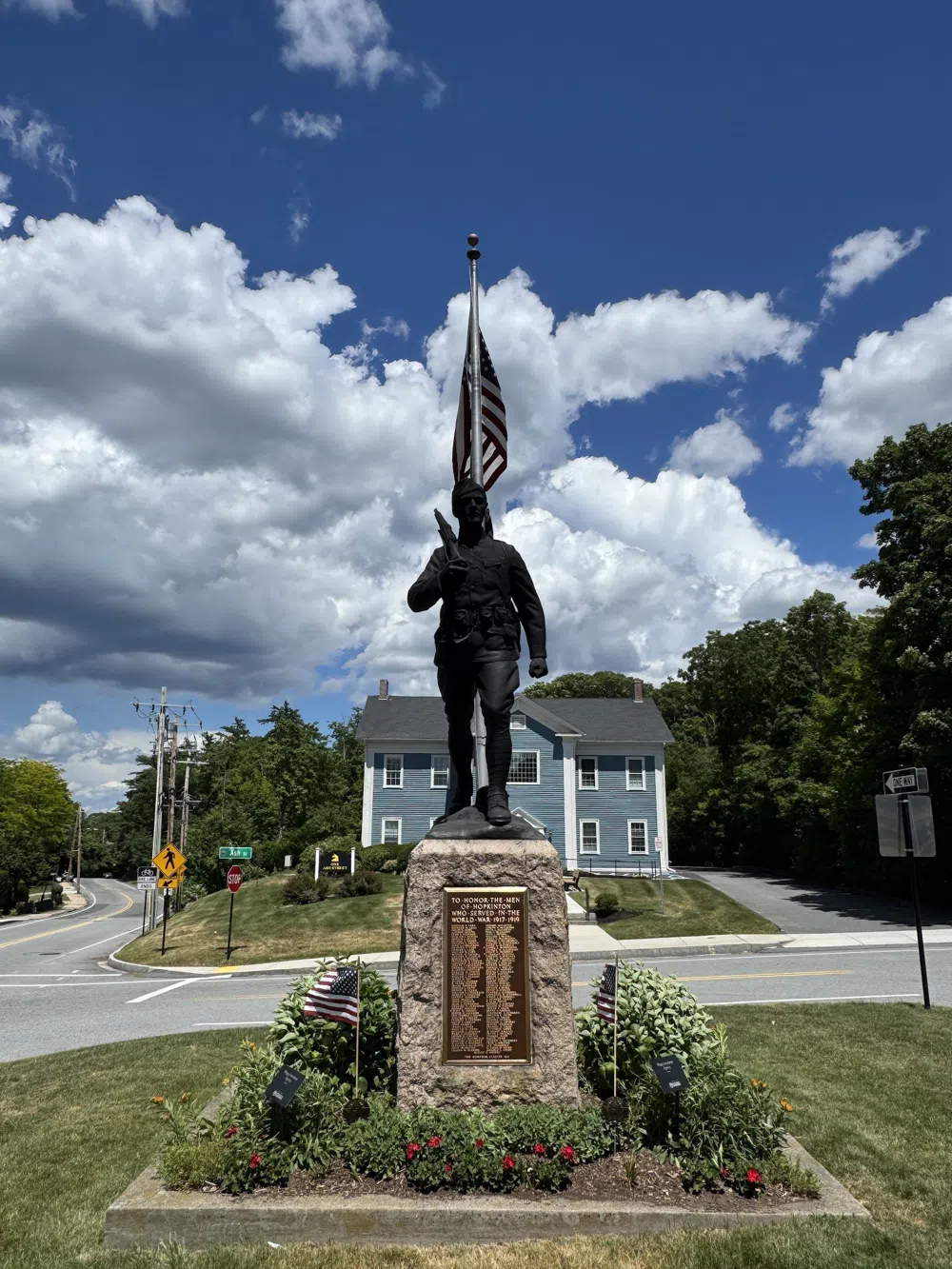
Boston's Long Run: How Marathon Monday Shapes a City
Every spring, the Boston Marathon pulls training runs, watch parties and finish-line rituals into one long civic arc — here's how to see it, from Hopkinton to Boylston Street, in 2026.
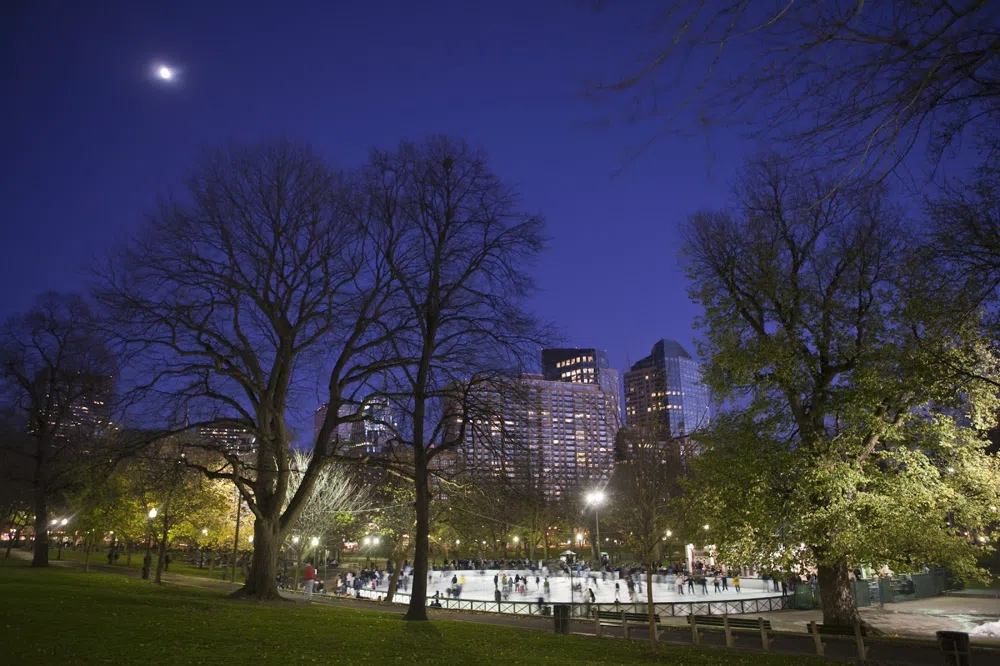
The Emerald Necklace: How Olmsted's Parks Escaped Boston's Grid
A walking guide to Frederick Law Olmsted's seven-mile chain of Boston parks, from swan boats and a working World War II victory garden to Franklin Park, the stretch most visitors never reach.
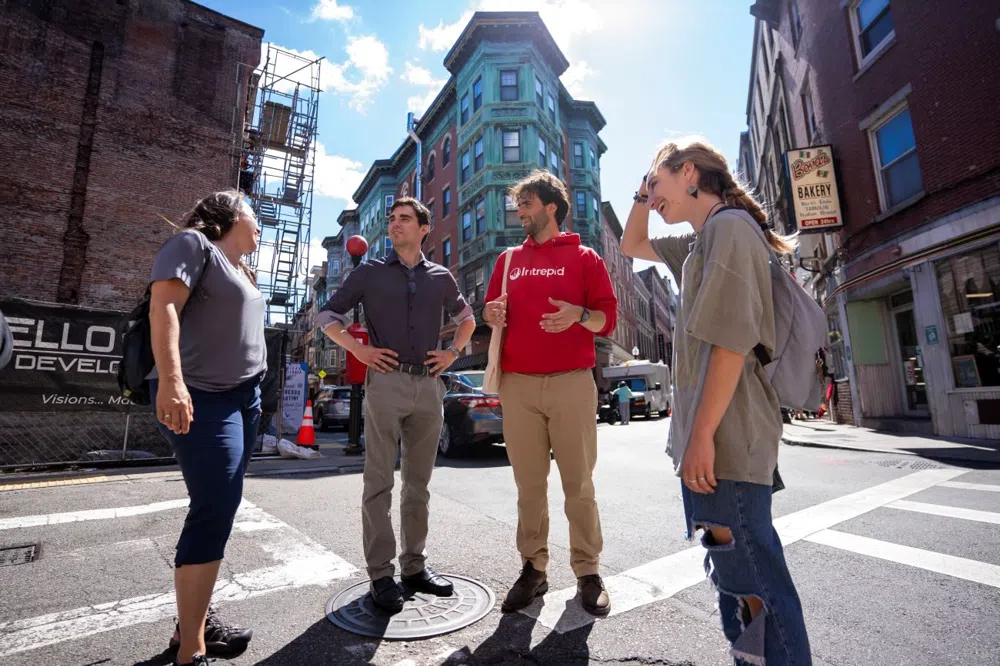
Boston on Foot, Neighbourhood by Neighbourhood
A neighbourhood-by-neighbourhood itinerary for readers who want Boston on foot — from the North End's 250th-anniversary lanterns to Southie's real dive bars and Jamaica Plain's working brewery.
The Shamrock and the Stick: Boston's Real Irish Pubs
Boston's genuine Irish pubs, from a Dorchester institution that's hosted three presidents to a Southie dive with no sign outside, mapped by who they suit and how long they've got left.
Harvard Square Never Stopped Being a Working Neighbourhood
Beyond the statue photographs and the freshman tour groups, Harvard Square and the Cambridge riverbank still run on independent bookshops, student-built stages and a rowing culture that predates the university's most famous graduates — here is how to see the town, not just the campus.
Where to base yourself
The neighborhoods
01
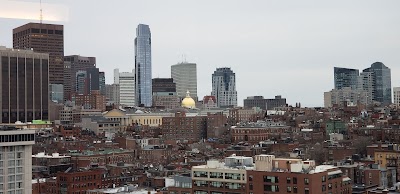
Beacon Hill
For History enthusiasts and travelers with deep pockets who value quiet evenings. The trade-off is steep hills, narrow sidewalks, and a lack of late-night dining options.
An enclave of gas-lit brick streets, Federal-style row houses, and hidden private gardens.
Where to stay — Look for historic boutique hotels or high-end guesthouses along Charles Street.
02
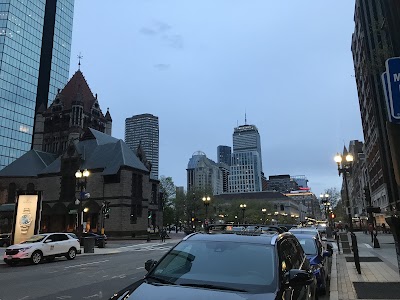
Back Bay
For Shoppers, architecture admirers, and first-time visitors who want a central, safe base. The trade-off is that it feels highly commercialized and lacks a gritty local edge.
A highly ordered neighborhood of Victorian brownstones, Parisian-style boulevards, and high-end shopping.
Where to stay — Grand luxury hotels and historic properties dominate the blocks around Copley Square.
03
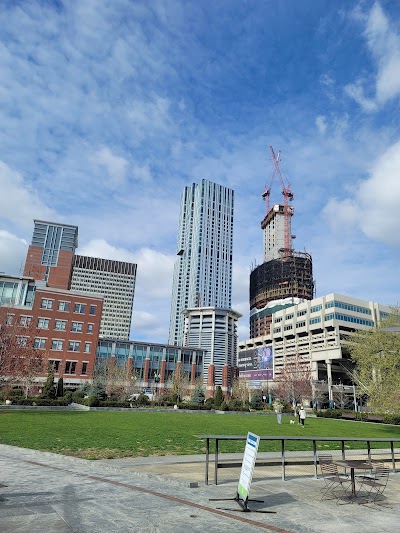
North End
For Food lovers and those who want an old-world European atmosphere. The trade-off is constant crowds, noisy streets, and tiny, walk-up accommodations.
Boston's historic Italian enclave, characterized by narrow, dense streets filled with the aroma of garlic, espresso, and fresh pastry.
Where to stay — Mainly small apartments and boutique suites; traditional hotels are scarce here.
04
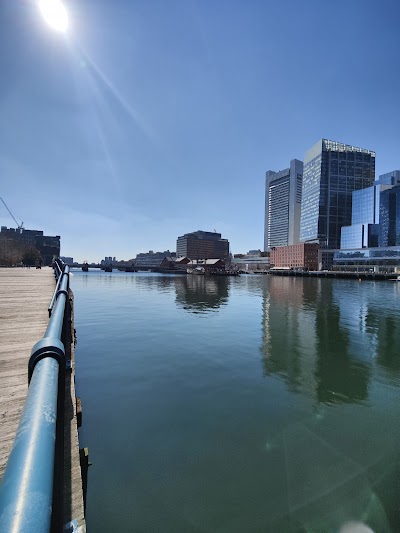
South End
For Design lovers, foodies, and LGBTQ+ travelers. The trade-off is a lack of direct subway access, requiring reliance on buses or moderate walks to the Orange Line.
An artistic, diverse neighborhood featuring the largest intact Victorian row house district in the country, interspersed with trendy restaurants.
Where to stay — Art-focused boutique hotels and stylish guesthouses.
05
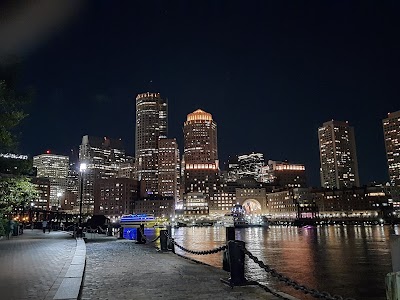
Seaport District
For Business travelers, nightlife seekers, and those who prefer modern amenities. The trade-off is a distinct lack of historic character and a sterile, windy environment in winter.
A newly developed waterfront area dominated by glass skyscrapers, modern hotels, and sprawling outdoor beer gardens.
Where to stay — Sleek, modern chain hotels with rooftop bars and harbor views.
06
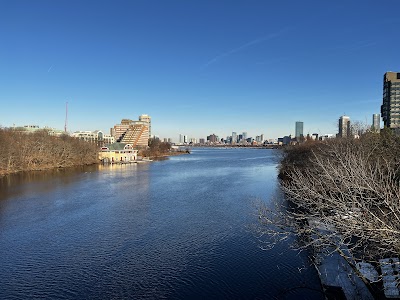
Fenway-Kenmore
For Sports fans and younger travelers. The trade-off is that the entire neighborhood becomes chaotic, loud, and expensive on game days.
A high-energy student district centered around the historic ballpark, filled with sports bars and cultural institutions.
Where to stay — Mid-century retro hotels and modern high-rises catering to university visitors.
07
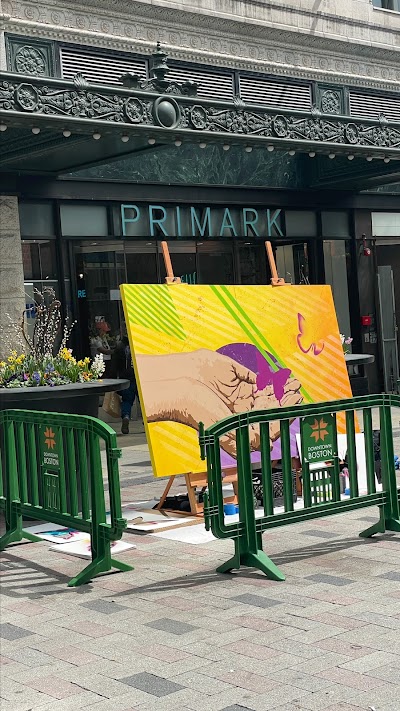
Downtown Crossing & Financial District
For Theater-goers and business travelers who want to be at the absolute center of transit. The trade-off is that the area can feel desolate and gritty after office hours.
A fast-paced commercial hub of historic theaters, department stores, and office towers.
Where to stay — High-end business hotels and trendy boutique properties.
08
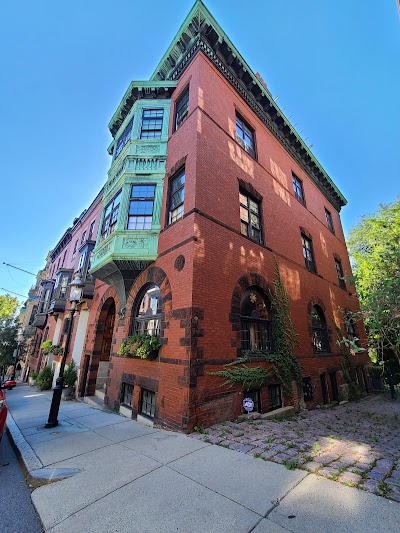
Charlestown
For Families and travelers seeking a quiet, residential retreat with historic depth. The trade-off is that it is geographically isolated from the rest of the city across the Charles River.
A historic waterfront neighborhood with Irish-American roots, gas lamps, and traditional wooden clapboard houses.
Where to stay — Limited options; mostly historic bed-and-breakfasts or vacation rentals.
09
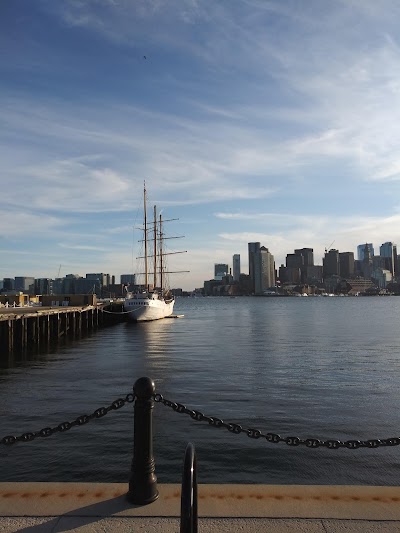
East Boston
For Budget-conscious travelers who want quick airport access. The trade-off is the constant noise of low-flying aircraft and a commute that requires taking the Blue Line under the harbor.
A diverse, waterfront neighborhood with a strong Latino heritage, offering some of the best skyline views in the city.
Where to stay — Airport-adjacent hotels and budget-friendly guesthouses.
Book direct
Book a hotel in Boston
Loading live availability and real-time prices…
Where to eat
Dining
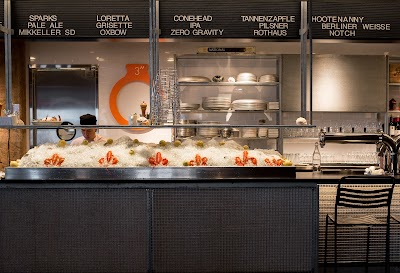
Row 34
€€€Fort Point
An industrial-chic oyster bar that treats beer and bivalves with equal reverence, sourcing directly from local growers.
Signature — Warm buttered lobster roll on a toasted brioche bun.
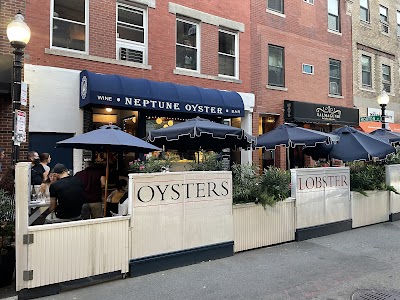
Neptune Oyster
€€€North End
A tiny, marble-countered raw bar that does not take reservations, resulting in legendary wait times that are entirely justified by the quality.
Signature — The Johnnycake topped with honey butter, Boston caviar, and smoked trout.
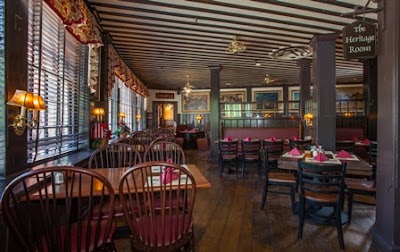
Union Oyster House
€€€Downtown
The oldest continuously operating restaurant in the United States, offering a historic, dark-wood atmosphere where Daniel Webster once dined.
Signature — Traditional New England clam chowder served with oyster crackers.
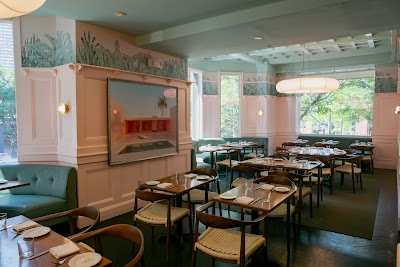
Saltie Girl
€€€Back Bay
An intimate space dedicated to an extraordinary global selection of tinned seafood, fresh raw bar items, and playful cooked dishes.
Signature — Fried lobster and waffles with sweet spicy glaze.
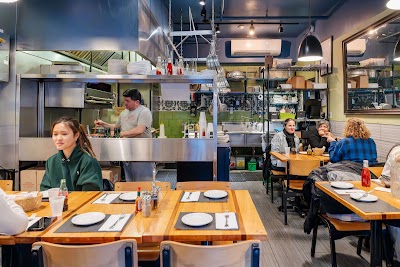
The Daily Catch
€€North End
A tiny, cash-only Sicilian-style seafood spot where chefs cook right in front of you in worn aluminum pans.
Signature — Black pasta with ground squid, garlic, and olive oil.
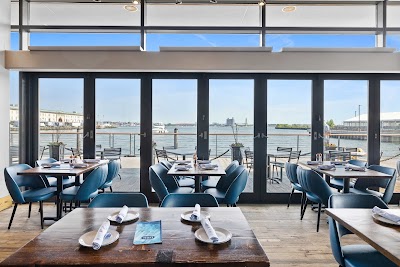
Legal Harborside
€€€Seaport District
A massive, three-story flagship waterfront venue offering everything from casual dockside dining to a sophisticated rooftop lounge.
Signature — Wood-grilled swordfish steak.
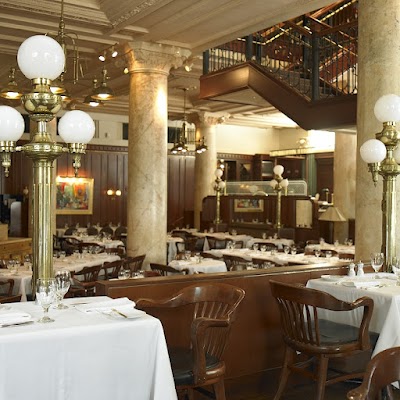
Grill 23 & Bar
€€€€Back Bay
A grand, two-story classic steakhouse with soaring ceilings, white tablecloths, and an award-winning wine list.
Signature — The 100-day dry-aged ribeye.
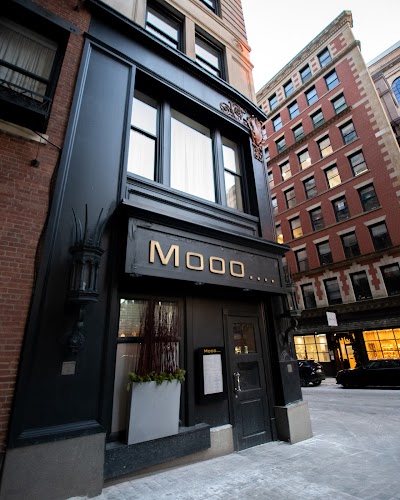
Mooo....
€€€€Beacon Hill
A modern, sophisticated steakhouse located inside the XV Beacon hotel, featuring a sleek design and an extensive wine cellar.
Signature — Beef Wellington with foie gras and duxelles.
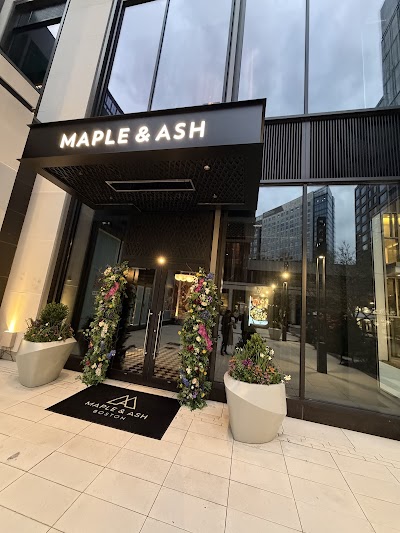
Boston Chops
€€€South End
An urban, brick-walled steakhouse that updates the classic format with a focus on nose-to-tail dining and creative cuts.
Signature — Bone-in ribeye with pork belly mac and cheese.
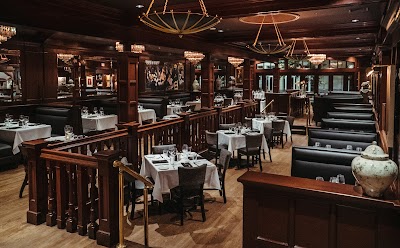
Abe & Louie's
€€€€Back Bay
The epitome of traditional Boston luxury, featuring dark wood paneling, leather booths, and highly attentive service.
Signature — Abe & Louie's wood-fired T-bone steak.
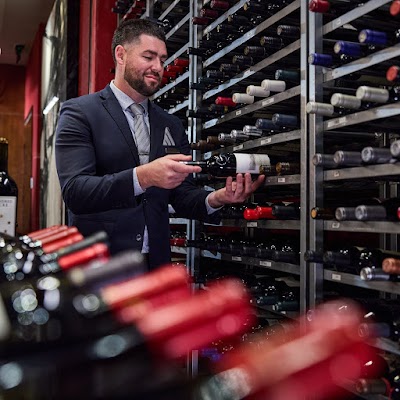
The Capital Grille
€€€€Back Bay
Though part of a high-end group, this original location remains a reliable bastion of dry-aged steaks and professional service.
Signature — Porcini rubbed bone-in ribeye with 15-year aged balsamic.
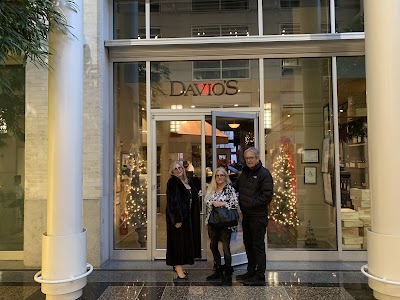
Davio's Northern Italian Steakhouse
€€€Back Bay
A bustling, upscale venue that seamlessly blends prime cuts of beef with classic Northern Italian pasta dishes.
Signature — Philly cheesesteak spring rolls.
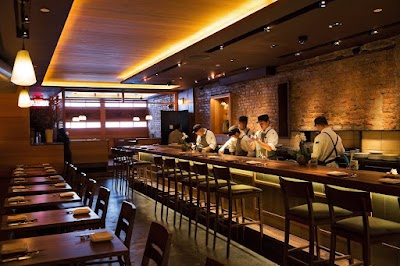
O Ya
€€€€Leather District
An ultra-exclusive, contemporary sushi tavern offering an extraordinary, multi-course omakase experience that is widely considered one of the best in the country.
Signature — Seared foie gras sushi with balsamic chocolate cocoa pulp.
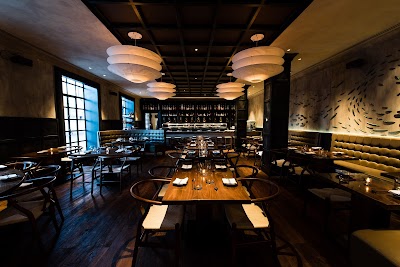
Uni
€€€€Back Bay
A chic, subterranean izakaya and sashimi bar located in The Eliot Hotel, known for its innovative use of global ingredients.
Signature — Spicy tuna and foie gras tataki.
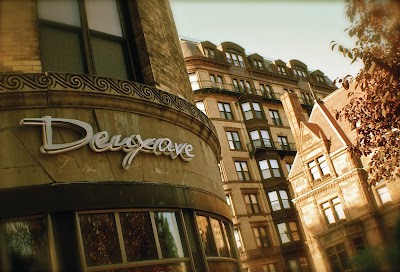
Deuxave
€€€€Back Bay
A modern French restaurant that emphasizes stunning presentation and classic techniques applied to local New England agriculture.
Signature — Crispy-skinned duck breast with spiced plum puree.
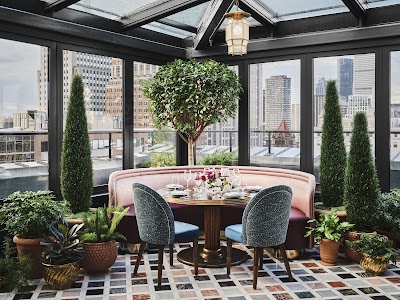
Contessa
€€€€Back Bay
A glamorous, glass-enclosed rooftop restaurant designed by Ken Fulk, offering dramatic views of the city alongside classic northern Italian fare.
Signature — Spicy lobster rigatoni.
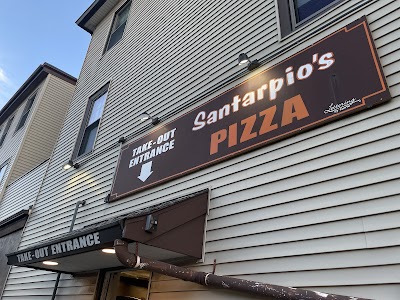
Santarpio's Pizza
€East Boston
A legendary, no-nonsense tavern where the staff is famously direct and the coal-fired pizzas have a perfectly charred, chewy crust.
Signature — Sausage and garlic pizza, accompanied by a side of grilled lamb skewers.
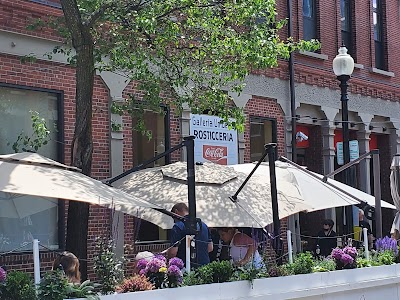
Galleria Umberto
€North End
A cash-only, lunch-only Sicilian bakery that closes as soon as they run out of food, usually by early afternoon.
Signature — Thick-crust Sicilian cheese pizza slices and beef-stuffed arancini.
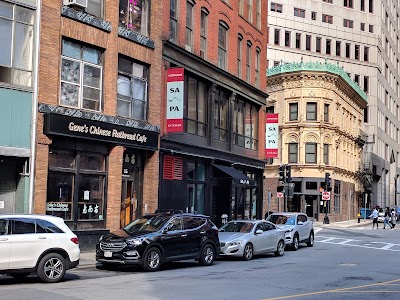
Gene's Flatbread Cafe
€Downtown Crossing
A sparse, functional noodle shop serving authentic, hand-pulled Xi'an-style wheat noodles tossed in hot chili oil and garlic.
Signature — No. 4 Hand-pulled noodles with cumin lamb.
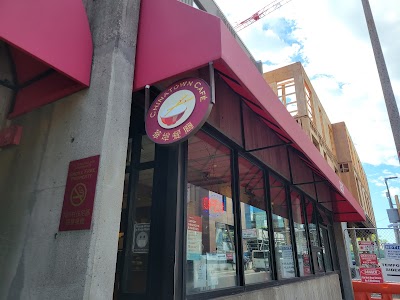
Chinatown Cafe
€Chinatown
A bare-bones storefront where locals line up for exceptionally cheap, high-quality Cantonese roast meats.
Signature — Roast duck and soy sauce chicken over steamed rice.
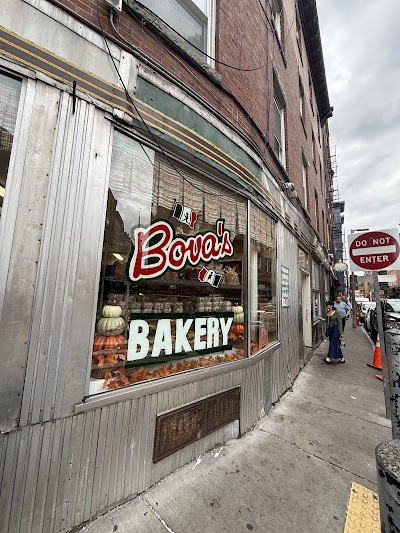
Bova's Bakery
€North End
A 24-hour Italian bakery that has been serving fresh pastries, calzones, and bread to night owls and early risers since 1926.
Signature — Florentine cannoli filled to order with sweet ricotta.
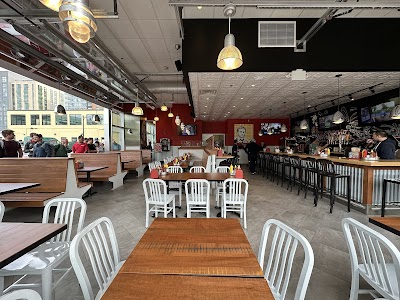
Tasty Burger
€Fenway
A retro-themed burger joint housed in a former gas station, serving fast, cheap, and highly satisfying thin-patty burgers.
Signature — The Spicy Jalapeno Burger with a side of onion rings.
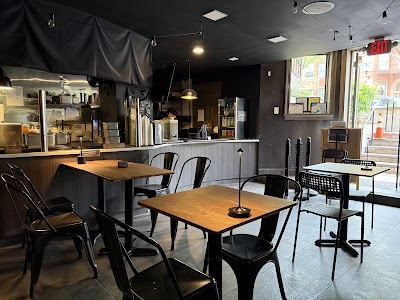
Red White Ramen
€€Back Bay
A sleek, fast-casual spot dedicated entirely to rich, flavorful vegan Japanese ramen made with house-crafted broths.
Signature — The Master Piece Ramen, featuring a rich sesame broth and roasted tofu.
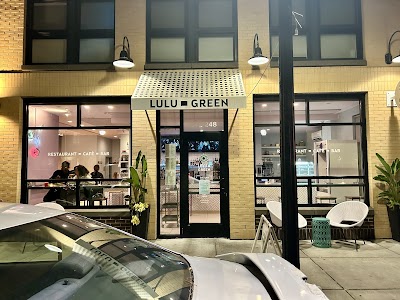
Lulu Green
€€South Boston
A bright, chic plant-based cafe and bakery serving creative, organic dishes alongside specialty coffees and organic wines.
Signature — The vegan breakfast sandwich with house-made maple sausage on a brioche bun.
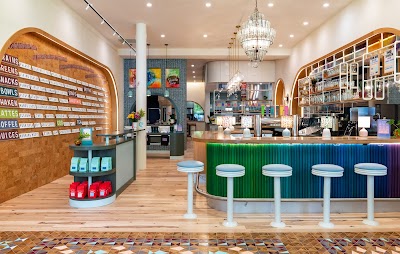
Life Alive Organic Cafe
€€Back Bay
A colorful, bohemian-style cafe serving nutrient-dense grain bowls, fresh juices, and warm wellness lattes.
Signature — The Swami Bowl, featuring brown rice, tamari almonds, raisins, and curry sauce.
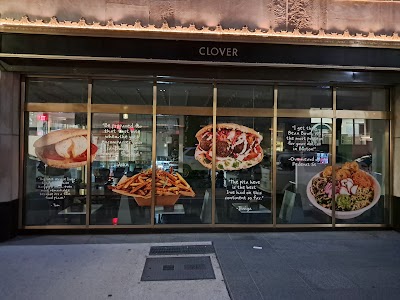
Clover Food Lab
€Downtown Crossing
A science-minded, fast-casual local chain that sources ingredients daily from regional farms to create a rotating, hyper-seasonal vegetarian menu.
Signature — The Chickpea Fritter Sandwich in fresh pita bread.
My Happy Snail
€€Back Bay
A cozy, modern Asian-fusion restaurant offering an extensive menu of creative vegetarian and vegan dishes.
Signature — Vegan General Tso's tofu with broccoli.
After dark
Nightlife
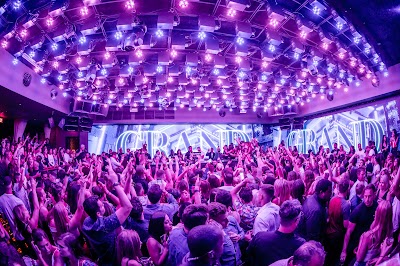
The Grand
Seaport District
A lavish, multi-million dollar venue featuring kinetic light installations, gold-accented bars, and appearances by top-tier global DJs.
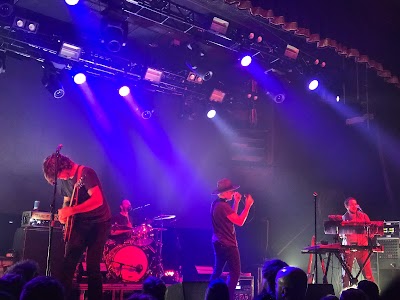
Royale
Theatre District
A historic, grand 1915 theater converted into a massive mega-club with a sprawling dance floor and state-of-the-art sound system.
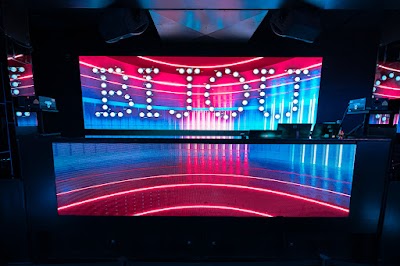
Bijou Nightclub
Theatre District
An intimate, sleek space that prioritizes underground house, techno, and electronic music over commercial hits.
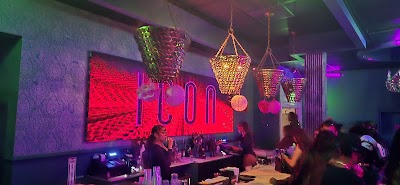
Icon Nightclub
Theatre District
A multi-room club known for its Latin nights, hip-hop events, and high-energy bottle service culture.
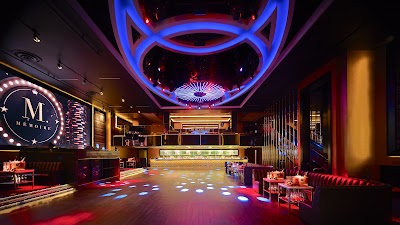
Mémoire
Everett
Located inside the Encore Boston Harbor casino resort, this luxury club features a massive chandelier, LED walls, and Las Vegas-style production.
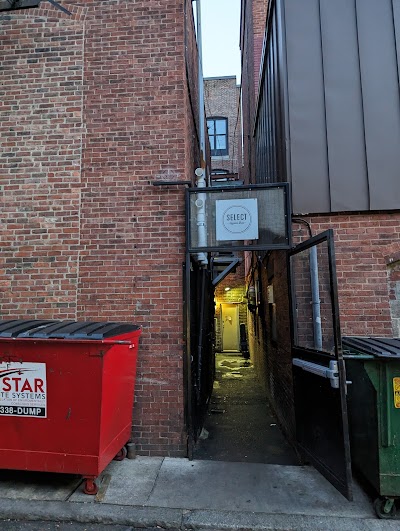
Hecate
Back Bay
A tiny, subterranean cocktail den hidden down a dark alley, offering an intimate, mystical atmosphere and highly complex, narrative-driven drinks.
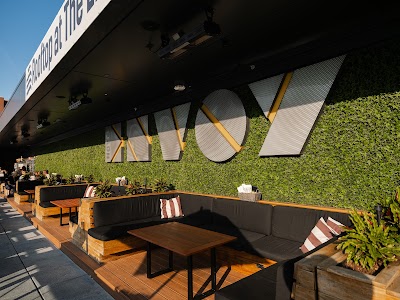
Lookout Rooftop and Bar
Seaport District
Perched atop the Envoy Hotel, this bar offers panoramic views of the harbor and downtown skyline, featuring heated igloos in the winter.
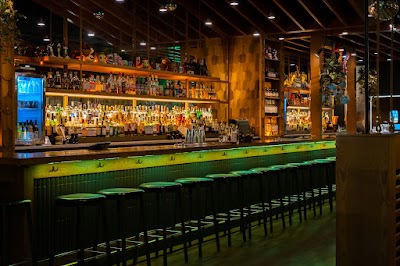
Shore Leave
South End
A subterranean tiki bar that escapes the Boston cold with tropical decor, creative rum-forward cocktails, and Asian-inspired street food.
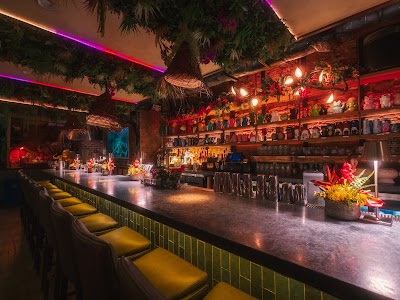
Wusong Road
Harvard Square
Housed in a historic brick building, this multi-level tiki oasis serves exceptional, historically accurate tropical drinks and American-Chinese bites.
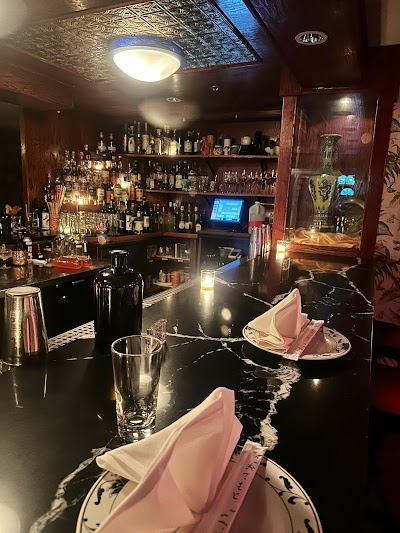
The Baldwin Bar
Woburn
Located in a historic 18th-century mansion just outside the city, this bar is globally recognized for its incredibly creative, complex cocktail menus.
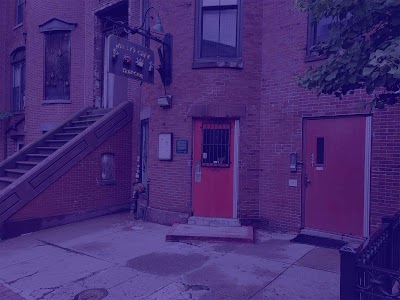
Wally's Cafe Jazz Club
South End
One of the oldest continuously operating jazz clubs in the country, offering live music 365 days a year in an incredibly intimate, historic room.
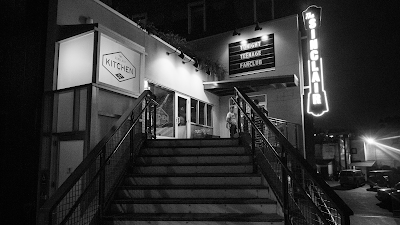
The Sinclair
Harvard Square
A premier indie rock venue and gastropub with exceptional acoustics, clear sightlines, and a great outdoor rooftop patio.
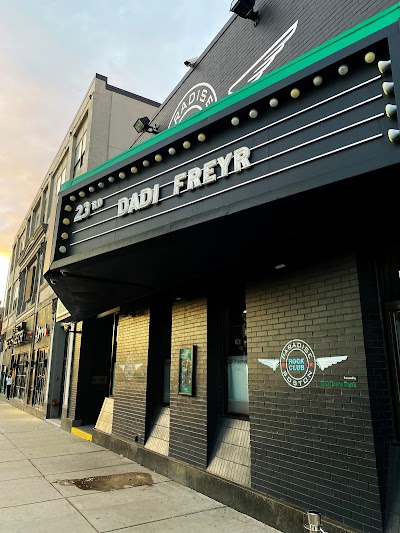
Paradise Rock Club
Allston
A legendary, intimate club that has hosted historic early-career performances by massive international rock acts since 1977.
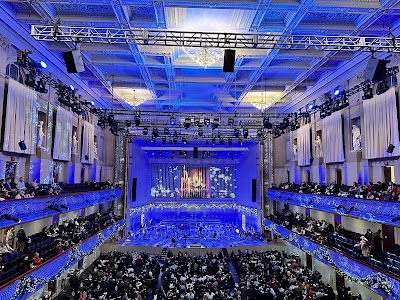
Symphony Hall
Back Bay
Home to the Boston Symphony Orchestra and the Boston Pops, this hall is widely considered one of the top three acoustic spaces in the world.
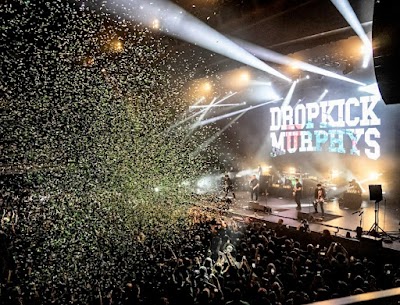
House of Blues
Fenway
A large, multi-level concert hall located right next to Fenway Park, hosting major touring rock, pop, and hip-hop acts.
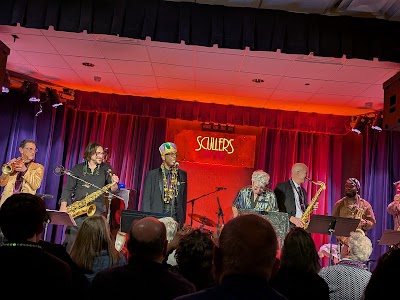
Scullers Jazz Club
Allston
An upscale, classic jazz venue overlooking the Charles River, hosting legendary national and international jazz vocalists and instrumentalists.
Art & history
Culture
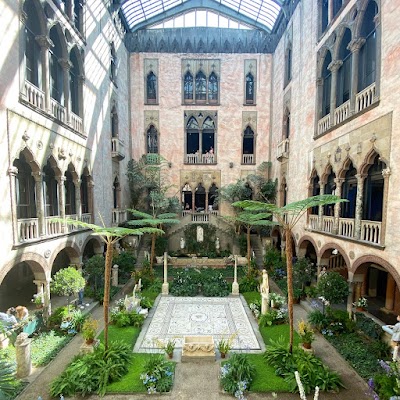
Isabella Stewart Gardner Museum
Fenway
A stunning Venetian-style palace built to house the personal collection of a flamboyant Boston heiress, featuring a breathtaking central courtyard and empty frames marking the site of the world's greatest unsolved art heist.
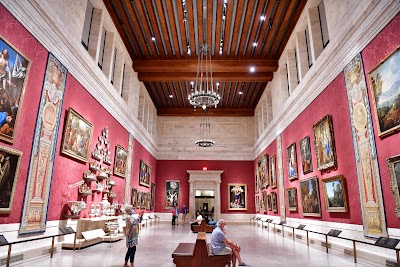
Museum of Fine Arts (MFA)
Fenway
One of the most comprehensive art museums in the world, featuring an unparalleled collection of American art, ancient Egyptian treasures, and Impressionist masterpieces.
Institute of Contemporary Art (ICA)
Seaport District
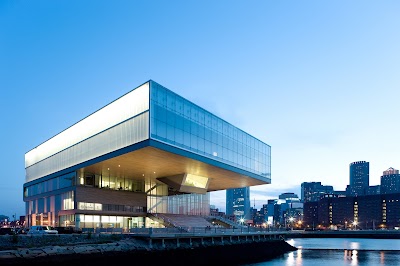
A striking, cantilevered glass building hovering over the Boston Harbor, showcasing cutting-edge contemporary art, performance, and digital media.
John F. Kennedy Presidential Library and Museum
Dorchester
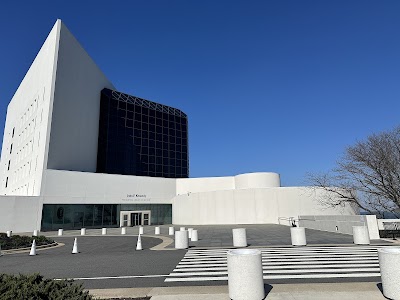
Housed in a striking I.M. Pei-designed building on the waterfront, this museum chronicles the life, leadership, and legacy of the 35th president.
Museum of Science
West End
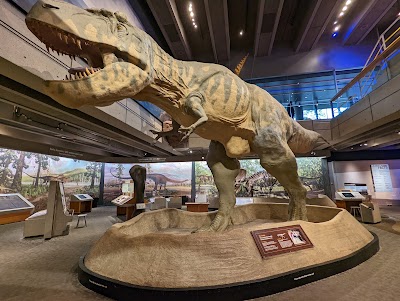
A massive, highly interactive science museum featuring a planetarium, an IMAX theater, and the world's largest Van de Graaff generator.
Harvard Museum of Natural History
Harvard Square
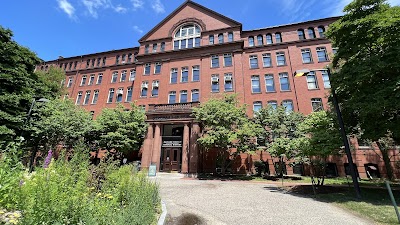
Famous for its incredible collection of thousands of botanically accurate glass flowers, hand-crafted in Germany in the 19th century.
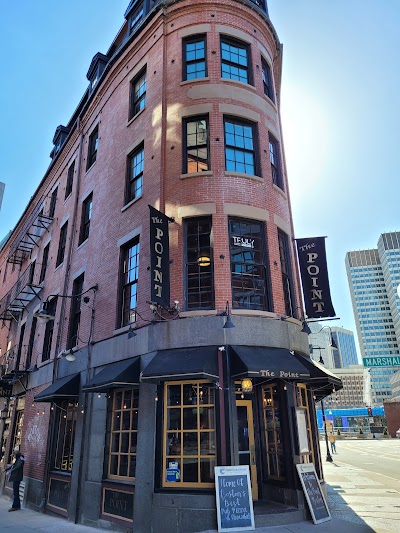
The Freedom Trail
Downtown to Charlestown
A 2.5-mile red-brick path that leads you past 16 historically significant sites, including meeting houses, burying grounds, and churches central to the American Revolution.
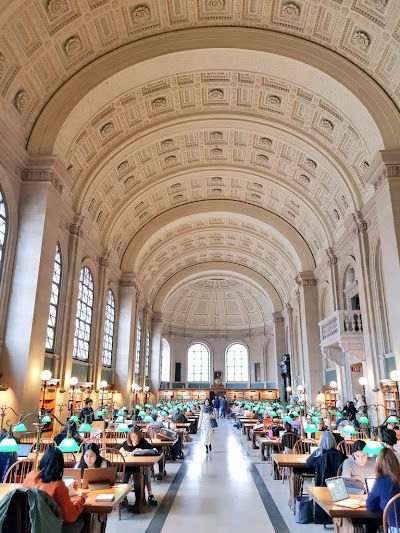
Boston Public Library (McKim Building)
Back Bay
Designed as a 'palace for the people' in 1895, this Renaissance Revival masterpiece features grand murals by John Singer Sargent and the majestic Bates Hall reading room.
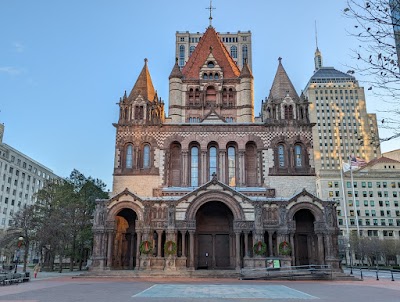
Trinity Church
Back Bay
A masterpiece of Richardsonian Romanesque architecture, featuring heavy stone construction, clay-tiled roofs, and exquisite stained glass.
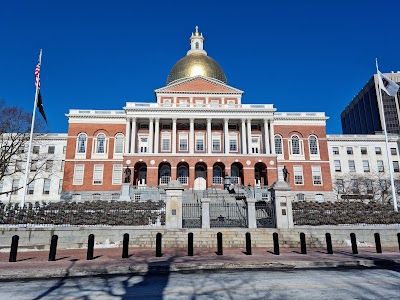
Massachusetts State House
Beacon Hill
Designed by Charles Bulfinch and completed in 1798, this building is a masterpiece of Federal-style architecture, topped with a dome covered in 23-karat gold leaf.
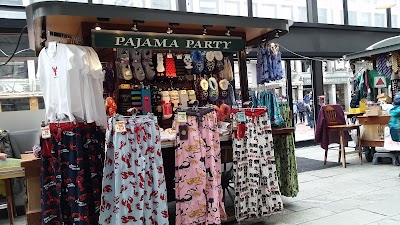
Faneuil Hall
Downtown
Often called the 'Cradle of Liberty,' this historic meeting hall was the site of crucial speeches by Samuel Adams and other patriots protesting British rule.
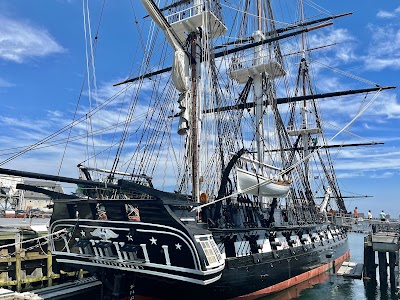
USS Constitution
Charlestown
Known as 'Old Ironsides,' this is the oldest commissioned warship afloat in the world, famous for its role in the War of 1812.
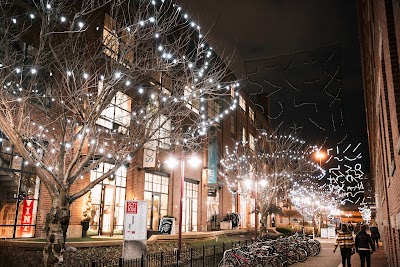
SoWa Artists Guild
South End
A massive association of professional artists who open their studios to the public every First Friday of the month, offering a rare look behind the scenes of the local art community.
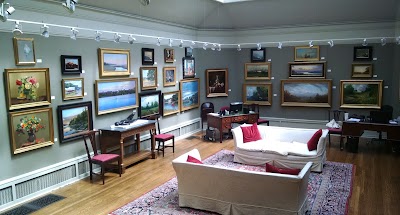
Guild of Boston Artists
Back Bay
A historic gallery founded in 1914 by prominent Boston painters, dedicated to promoting traditional, representational fine art in New England.
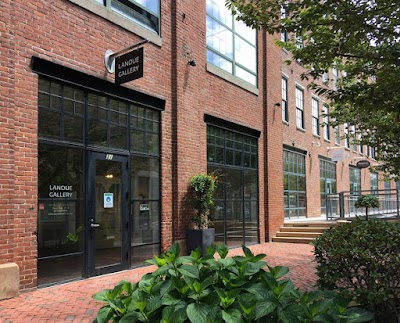
Lanoue Gallery
South End
A contemporary gallery representing national and international artists, specializing in painting, sculpture, and fine art photography.
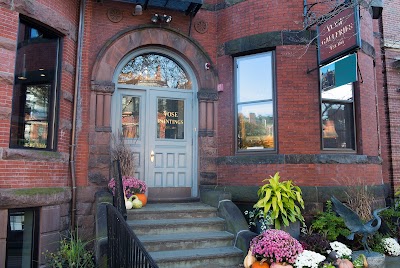
Vose Galleries
Back Bay
The oldest continuously operating art gallery in the United States, specializing in 18th, 19th, and early 20th-century American paintings.
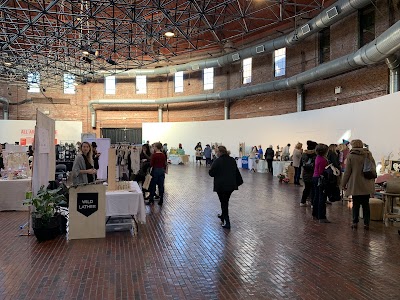
Boston Center for the Arts (BCA)
South End
A working arts complex that hosts rotating contemporary art exhibitions, artist residencies, and experimental theater performances.
Book ahead
Top-rated experiences in Boston

Boston Private 3-Hour Tour by Car
from $550

1 If By Land Walking Tours
from $45

Boston: Votes for Women History Tour of Back Bay
from $35

Harvard Square's Sweetest Food Tour: Donuts, Sweet Treats & More
from $70

A Taste of the Freedom Trail: Boston's Iconic Food History Tour
from $135

Back Bay Chocolate and Art Galleries Tour
from $65

Tour Boston's Rock and Roll Past, Present, and Future
from $40

Private 4-Hour Driving & Walking City Tour
from $550
Prices from Viator; we may earn a commission when you book — at no extra cost to you. Tours are sold and operated by Viator, the merchant of record. Ratings are collected by Viator and Tripadvisor.
Timing
When to visit
Spring
April and May bring unpredictable weather, ranging from sudden snow squalls to warm sunshine. The city wakes up during the Boston Marathon in mid-April, though hotel prices spike dramatically.
Summer
June through August is hot, humid, and packed with tourists. Sailing on the Charles River and outdoor dining are at their peak, but accommodation rates are at their highest.
Autumn
September to November is the gold standard. The humidity clears, the foliage turns brilliant shades of amber and rust, and the student population returns, injecting energy back into the streets.
Winter
December to March is cold, dark, and frequently snowy. Nor'easters can bring the city to a standstill, but museum lines disappear and hotel rates drop significantly.
What it costs
Budgeting
Logistics
Getting around
From the airport
Logan International Airport sits remarkably close to the city center. The blue line subway connects directly from Airport Station, or you can take the Silver Line bus, which is free from the airport terminals to South Station.
Public transit
The Massachusetts Bay Transportation Authority (MBTA), known locally as the 'T', operates subway lines, buses, and ferries. It is old and prone to delays, but remains the most practical way to traverse the city.
Passes & tickets
A 7-Day LinkPass offers unlimited travel on the subway and local buses for a flat rate in the €€ price band, which is highly economical if you plan to ride the T daily.
On foot
Boston is exceptionally walkable. Most major historic areas, from the North End to Back Bay, can be traversed on foot in under an hour, making walking the preferred method of exploration.
Travel smart
Safety & etiquette
Local etiquette
- •Do not wear New York sports team apparel, especially near Fenway Park, unless you are prepared for relentless, good-natured heckling.
- •Tipping is strictly expected: 18-22% at restaurants, €1-2 per drink at bars, and €2-5 per day for hotel housekeeping.
- •Stand on the right and walk on the left of all subway escalators to avoid frustrating local commuters.
From the ground
Practical tips
1
Take the Silver Line bus from Logan Airport into the city; it is completely free, including a free transfer to the Red Line subway at South Station.
2
Avoid visiting during 'Allston Christmas' (August 31 to September 1), when thousands of college students move apartments, leaving the streets blocked with discarded furniture and moving trucks.
3
Book your Fenway Park tickets months in advance, or take a guided ballpark tour during the day if you cannot secure game tickets.
4
Pack layers even in summer; the ocean breeze can cause temperatures to drop rapidly in the late afternoon.
5
Many historic sites along the Freedom Trail close early, around 4:00 PM or 5:00 PM, so start your historic walks in the morning.
6
Purchase a CharlieCard at major subway stations rather than paper tickets to save money on every single transit ride.
Boston FAQs
Is it worth renting a car in Boston?
No, renting a car is highly discouraged. The streets are a confusing colonial labyrinth, parking is exceptionally expensive, and the city is highly walkable with a functional transit system.
How do I get to Cambridge from Boston?
Take the Red Line subway. It crosses the Charles River and connects downtown Boston directly to MIT and Harvard University in under fifteen minutes.
When is the peak fall foliage in Boston?
Peak foliage typically occurs from mid-to-late October, though it varies slightly each year depending on temperature and rainfall.
Are Boston museums free?
Most major museums charge admission, but many offer free or discounted hours on specific evenings, such as the ICA on Thursday nights.
Where can I find the best lobster roll?
Neptune Oyster in the North End and Row 34 in Fort Point are widely considered by locals to serve the finest lobster rolls in the city.